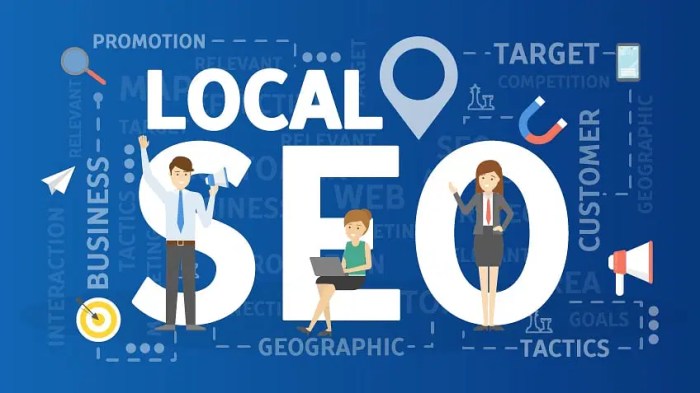
SEO for Law Firms Winning Clients Online

Seo

Successfully navigating the digital landscape is crucial for modern law firms. This guide explores the intricacies of for law firms, addressing the unique challenges and ethical considerations involved in attracting clients online. We’ll delve into website optimization, content marketing strategies, local tactics, and paid advertising approaches, all tailored to the legal profession’s specific needs and regulatory environment.

From understanding the legal complexities surrounding online marketing to mastering the technical aspects of search engine optimization, this comprehensive overview equips law firms with the knowledge and strategies necessary to thrive in the competitive online world. We’ll examine best practices, analyze successful case studies, and provide actionable steps to enhance online visibility and generate qualified leads.

Understanding the Legal Landscape

Digital marketing for law firms presents a unique set of challenges compared to other industries. The inherent sensitivity of legal matters, coupled with strict ethical and regulatory requirements, necessitates a cautious and strategic approach to online presence and promotion. Success hinges on navigating this complex landscape effectively.The ethical considerations in online marketing for legal professionals are paramount. Maintaining client confidentiality, avoiding misleading advertising, and ensuring compliance with advertising rules specific to the legal profession are crucial aspects of responsible digital marketing.

The potential for misrepresentation or the appearance of impropriety necessitates a high degree of scrutiny in all marketing materials and online activities.

Ethical Considerations in Online Legal Marketing

Ethical online marketing for law firms requires a commitment to transparency, accuracy, and client confidentiality. Advertising must adhere to relevant professional conduct rules, which vary by jurisdiction but generally prohibit false or misleading statements, unsubstantiated claims, and solicitations that are considered improper or unethical. Client testimonials must be obtained with informed consent, and client information must be protected at all times, in compliance with data privacy regulations.

This includes secure handling of personal data collected through online forms or interactions. Any marketing campaign should be reviewed carefully for potential ethical breaches before implementation.

Regulatory Requirements Affecting Online Presence for Law Firms

Numerous regulations govern the online presence of law firms. These vary depending on the jurisdiction but typically cover areas such as advertising rules, data protection laws, and accessibility requirements for websites. For example, many jurisdictions have specific rules regarding the content and format of legal advertisements, including restrictions on testimonials and guarantees of outcomes. Data protection laws, such as GDPR in Europe and CCPA in California, dictate how client data is collected, used, and protected online.

Website accessibility laws mandate that websites be designed to be usable by individuals with disabilities. Non-compliance can lead to significant penalties and reputational damage.

Examples of Successful and Unsuccessful Online Marketing Strategies for Law Firms

A successful strategy might involve targeted content marketing, such as blog posts addressing common legal issues relevant to the firm’s specialization, coupled with a strong strategy focusing on relevant s. This approach establishes thought leadership and attracts potential clients actively searching for legal expertise. Conversely, an unsuccessful strategy could involve generic, impersonal advertising that fails to resonate with the target audience or using outdated or irrelevant s in efforts.

A firm might also fail if it focuses solely on paid advertising without building a robust organic presence. For instance, a personal injury firm using targeted Facebook ads showcasing successful case results, along with a blog covering relevant injury topics, would likely be more successful than a firm simply using generic Google Ads without any supporting content. The key is a well-rounded, ethical, and compliant approach that resonates with the target audience.

Website Optimization for Law Firms

A well-optimized website is crucial for any law firm seeking to attract new clients in today’s digital landscape. Effective website optimization involves a strategic blend of technical expertise, user-centric design, and compelling content tailored to the specific legal services offered. This ensures that potential clients can easily find the firm online and understand the value proposition.

Website Architecture for Personal Injury Law Firms

Designing a user-friendly and search-engine-friendly website architecture for a personal injury law firm requires careful planning. A logical sitemap is essential. The homepage should clearly present the firm’s core services, contact information, and a compelling call to action. Subsequent pages should focus on specific areas of personal injury law, such as car accidents, medical malpractice, or wrongful death.

Each page should be easily accessible from the homepage via clear navigation. Internal linking between related pages helps both users and search engines understand the website’s structure and content hierarchy. For example, the car accident page might link to pages discussing specific aspects like proving negligence or calculating damages. A well-structured sitemap, using clear and descriptive page titles and URLs, improves both user experience and search engine crawlability.

Essential On-Page Elements for Law Firm Websites

Several on-page elements are critical for attracting potential clients. These elements contribute to both user experience and search engine ranking. A strong call to action (CTA) is crucial, encouraging visitors to contact the firm. This could be a prominent button or a clear phone number. High-quality images and videos showcasing the firm’s expertise and professionalism build trust and credibility.

Client testimonials provide social proof and build confidence in the firm’s capabilities. Clearly written, concise, and informative content, addressing common client concerns and questions, is essential. Accurate and consistent NAP (Name, Address, Phone number) information across the website ensures consistency and helps search engines verify the firm’s legitimacy. Finally, schema markup can help search engines understand the content on the website better, improving visibility in search results.

Optimizing Website Content for Different Legal Services

Tailoring website content to different legal services is essential for attracting the right clients. For instance, the content for a family law page should focus on issues like divorce, child custody, and adoption, using appropriate s and addressing common client concerns related to these areas. The criminal defense page should emphasize the firm’s experience in handling various criminal charges, highlighting success stories and outlining the legal process.

Each service page should be optimized with relevant s, including long-tail s (more specific phrases), to target specific client searches. For example, instead of just “divorce,” a family law page might target phrases like “high-net-worth divorce in California” or “contested custody proceedings.”

Comparison of Website Platforms for Law Firms

Choosing the right website platform is crucial for a law firm’s online presence. Different platforms offer varying levels of flexibility, customization, and ease of use.

Platform Pros Cons Suitability for Law Firms
WordPress Highly customizable, extensive plugin ecosystem, large community support, -friendly Requires technical expertise for optimal setup and maintenance, can be costly with premium themes and plugins Excellent, especially for firms needing high customization and advanced features.
Wix User-friendly drag-and-drop interface, easy to set up, affordable Limited customization options, less control over aspects, potentially less scalable for larger firms Suitable for smaller firms with simpler needs and limited technical expertise.
Squarespace Elegant templates, user-friendly interface, good features Less customization than WordPress, can be more expensive than Wix Good option for firms seeking a visually appealing website with built-in capabilities.
Shopify (if selling legal services online) E-commerce functionality, user-friendly interface Not ideal for law firms not selling products or services online. Only suitable if the firm is selling legal products or services online.

Local for Law Firms

Effective local is crucial for law firms, as most clients search for legal services within their geographic area. A strong local strategy ensures your firm appears prominently in local search results, driving targeted traffic to your website and ultimately, new clients. This involves optimizing your online presence to attract clients searching for legal assistance in your specific city or region.

Effective Local Citation Building Strategies

Building citations—listings of your law firm’s name, address, and phone number (NAP) across various online directories—is fundamental to local . Inconsistent or inaccurate NAP information confuses search engines, hindering your rankings. A comprehensive citation-building strategy involves listing your firm on relevant online directories, ensuring consistency across all platforms. Effective strategies include claiming and optimizing your profiles on sites like Yelp, Avvo, FindLaw, and industry-specific directories.

Regularly auditing your citations for accuracy and completeness is also essential to maintain a consistent online presence. Consider using citation-building tools to streamline the process and identify potential missing citations.

Google My Business Optimization for Law Firms

Google My Business (GMB) is a cornerstone of local . Optimizing your GMB profile is critical for maximizing visibility in local search results, particularly in Google Maps. Actionable steps include: completing your profile completely and accurately, including your service area; uploading high-quality photos of your office and team; regularly posting updates about your firm, legal news, or client testimonials; encouraging client reviews; and responding promptly to reviews (both positive and negative).

Accurate and detailed information, coupled with consistent engagement, significantly improves your GMB ranking and increases your chances of appearing in the coveted “three-pack” of local search results.

Leveraging Online Reviews to Enhance Local Search Rankings and Build Trust

Online reviews are powerful tools for enhancing local search rankings and building trust with potential clients. Positive reviews demonstrate credibility and expertise, influencing search engine algorithms and boosting your ranking. Actively soliciting reviews from satisfied clients is crucial. Make it easy for clients to leave reviews by providing clear instructions and links to review platforms. Responding to reviews, both positive and negative, demonstrates engagement and professionalism.

Addressing negative reviews professionally and constructively can turn a negative experience into an opportunity to showcase your firm’s commitment to client satisfaction.

Comparison of Map Listing Services

Several map listing services cater to local businesses. While Google My Business is paramount, other services can supplement your strategy.

  • Google My Business: The most important platform; essential for local search visibility. Provides features like posts, photos, and Q&A.
  • Bing Places for Business: Similar to GMB, but for Bing users. While less prominent than Google, it still offers valuable exposure.
  • Yelp: A popular review site; a strong Yelp presence can significantly impact local search rankings and build trust.
  • Apple Maps Connect: Important for Apple device users; ensures your business is accurately represented on Apple Maps.

Each service offers unique benefits, but Google My Business remains the most critical for law firms due to its dominant market share. A multi-platform approach, however, can broaden your reach and improve overall visibility.

Services for Law Firms

Seo

Choosing the right agency can significantly impact a law firm’s online visibility and client acquisition. A comprehensive strategy tailored to the legal industry requires specialized knowledge and a nuanced understanding of legal marketing regulations. This section details the services, pricing, key performance indicators (KPIs), and package options offered by agencies specializing in legal clients.

Services Offered by Agencies Specializing in Legal Clients

agencies specializing in law firms offer a range of services designed to improve their online presence and attract potential clients. These typically include research tailored to legal terminology and client searches, on-page optimization focusing on website content, meta descriptions, and title tags, off-page optimization strategies such as link building and citation management, local to enhance visibility in specific geographic areas, content marketing creation of informative and engaging blog posts and articles, technical to ensure website speed and mobile-friendliness, and ongoing monitoring and reporting of performance.

Many agencies also offer specialized services like Google My Business optimization, reputation management, and paid advertising (PPC) management to complement organic efforts.

Pricing Models Used by Agencies for Law Firms

Pricing models for services vary significantly depending on the agency, the scope of work, and the client’s specific needs. Common models include project-based pricing, where a fixed fee is agreed upon for a specific project, such as a website redesign or a local campaign. Hourly rates, where the agency charges an hourly fee for its services, are also common.

Retainer-based pricing, where a monthly fee is charged for ongoing services, offers consistent support and predictable costs. Finally, some agencies use a performance-based pricing model, tying their fees to the achievement of specific KPIs, such as website traffic or lead generation. For example, an agency might charge a percentage of the revenue generated from leads acquired through their efforts.

Key Performance Indicators (KPIs) Used to Measure the Success of Services for Law Firms

Measuring the success of services requires tracking relevant KPIs. These KPIs provide insights into the effectiveness of the implemented strategies and allow for necessary adjustments. Important metrics include website traffic (organic search visits), rankings (position in search engine results pages), conversion rates (percentage of website visitors who take a desired action, such as filling out a contact form), lead generation (number of potential clients generated through the website), client acquisition cost (cost per client acquired), and brand mentions (online mentions of the law firm’s name and brand).

Analyzing these KPIs provides a comprehensive understanding of the impact of efforts on the law firm’s business goals.

Comparison of Different Service Packages

agencies often offer various service packages catering to different budgets and needs. The value proposition of each package lies in the level of service and the resulting impact on the firm’s online presence.

Package Name Services Included Pricing Model Value Proposition
Basic research, on-page optimization, local citation building Monthly retainer Foundation for online presence; suitable for smaller firms with limited budgets.
Standard Basic + off-page optimization, content marketing (blog posts), monthly reporting Monthly retainer Balanced approach; enhances visibility and attracts more organic traffic.
Premium Standard + advanced technical , link building campaign, reputation management Monthly retainer or project-based Comprehensive strategy; maximizes online visibility and brand authority.
Enterprise Premium + dedicated account manager, customized strategy, ongoing performance optimization Custom retainer Tailored solution for large firms with complex needs; delivers high-impact results.

Analyzing and Reporting Results

Understanding the performance of your efforts is crucial for a successful law firm marketing strategy. Regular analysis and reporting provide valuable insights into what’s working, what’s not, and where adjustments need to be made. This allows for continuous improvement and a higher return on investment.

Monthly Performance Report Template

A well-structured monthly report provides a clear overview of progress. The following template incorporates key metrics and visualizations to facilitate easy understanding and actionable insights.

Metric Data Visualization
Organic Search Traffic Total number of visits from organic search results (Google Analytics) Line graph showing traffic over time
Rankings Position of target s in search engine results pages (SERPs) (e.g., SEMrush, Ahrefs) Table showing rankings and changes over time
Website Bounce Rate Percentage of visitors who leave the website after viewing only one page (Google Analytics) Bar graph comparing bounce rates across different pages
Conversion Rate Percentage of website visitors who complete a desired action (e.g., contact form submission, call) (Google Analytics) Pie chart showing conversion rates from different sources
Backlinks Number of websites linking to the law firm’s website (e.g., Ahrefs, SEMrush) Table showing the number of backlinks and their quality
Domain Authority A score indicating the website’s authority and trustworthiness (e.g., Moz) Line graph showing changes in domain authority over time

Interpreting Website Analytics Data

Website analytics platforms like Google Analytics provide a wealth of data. Analyzing this data effectively involves identifying trends, patterns, and anomalies to pinpoint areas for improvement. For example, a high bounce rate on a specific landing page might suggest the content isn’t relevant or engaging enough, prompting a content revision. Similarly, low conversion rates could indicate problems with the call-to-action or the overall user experience, necessitating design or functionality changes.

Tracking Marketing Initiative Effectiveness

To accurately measure the success of different initiatives, utilize UTM parameters in your marketing links. These parameters allow you to track which campaigns are driving traffic and conversions. For instance, a specific blog post promoting a particular legal service can be tagged with a unique UTM parameter to isolate its performance. By analyzing data associated with these parameters, you can determine which initiatives are yielding the best results and allocate resources accordingly.

This data-driven approach helps optimize future campaigns.

Sample Campaign Report

This sample report summarizes a hypothetical campaign for a personal injury law firm.

Metric Before Campaign After Campaign Change
Organic Search Traffic 500 visits/month 1200 visits/month +140%
Ranking (“car accident lawyer [city]”) Page 3 Page 1 (position 5) Significant improvement
Conversion Rate (Contact Form Submissions) 2% 4% +100%
Backlinks 10 35 +250%

Successes: The campaign significantly increased organic search traffic, improved rankings for target terms, and doubled the contact form submission rate. This demonstrates the effectiveness of the implemented strategies. Areas for Future Optimization: While the campaign was successful, further improvements can be made by targeting long-tail s and optimizing the website’s mobile experience. Analyzing user behavior on the website will help pinpoint specific areas for further improvement.

In conclusion, effective for law firms requires a multifaceted approach that blends legal compliance, strategic online marketing, and a deep understanding of client needs. By implementing the strategies Artikeld in this guide – from optimizing website architecture and content to leveraging local and paid advertising – law firms can significantly improve their online presence, attract high-quality leads, and ultimately, achieve greater success.

Consistent monitoring and adaptation are key to sustained growth in the ever-evolving digital landscape.

Common Queries

What is the difference between local and national for law firms?

Local focuses on attracting clients within a specific geographic area, utilizing strategies like Google My Business optimization and local citations. National aims for broader reach across the country, emphasizing content marketing and broader targeting.

How long does it take to see results from for a law firm?

Results vary, but consistent efforts typically show improvements in rankings and organic traffic within 3-6 months. However, sustained growth requires ongoing optimization and content creation.

Can I do for my law firm myself, or should I hire an agency?

While you can manage some aspects yourself, hiring an agency specializing in legal marketing can provide expertise, resources, and a more efficient approach to achieving significant results.

Are there any specific legal considerations for in the legal industry?

Yes, advertising rules and ethical guidelines vary by jurisdiction. Ensure your online marketing complies with all relevant state bar rules and regulations.

SEO Services for Startups Boosting Growth

Startups need

Launching a startup requires a multifaceted approach, and Search Engine Optimization () plays a pivotal role in establishing a strong online presence and driving organic growth. Unlike established businesses with extensive brand recognition, startups face unique challenges in , often operating with limited budgets and needing to build brand awareness rapidly. This guide explores effective strategies tailored specifically to the needs and constraints of startups, focusing on maximizing return on investment (ROI) and achieving sustainable growth.

We’ll delve into essential services, content strategies, technical optimization techniques, and effective backlink building methods. We’ll also cover crucial aspects like measuring success, reporting progress to clients, and understanding the broader landscape of services and the roles of various professionals. The ultimate aim is to equip startups with the knowledge and strategies necessary to navigate the complexities of and achieve their online marketing goals.

Understanding Startup Needs in

Startups need

Startups face a unique set of challenges when it comes to search engine optimization (). Unlike established businesses with brand recognition and extensive online presence, startups often have limited resources and need to establish themselves quickly in a competitive market. Effective is crucial for their survival and growth.

Unique Challenges for Startups

Startups often lack the brand authority and extensive backlink profiles that established businesses possess. This makes it harder to rank highly for competitive s. They also frequently lack the internal resources – dedicated teams, sophisticated analytics tools – that larger companies can readily deploy. Furthermore, startups often need to experiment more to find the most effective strategies for their niche, which takes time and may yield less immediate results.

This contrasts with established businesses, who often have a clearer understanding of their audience and established practices.

Budget Constraints and Strategy

Budget limitations are a significant hurdle for many startups. They may not be able to afford expensive tools, extensive link-building campaigns, or the services of a full-time specialist. This necessitates a more strategic and cost-effective approach. Prioritizing organic techniques, focusing on high-impact, low-cost strategies such as on-page optimization and content marketing, is often crucial. Startups might also leverage free or low-cost tools to track their progress and analyze their performance.

A carefully planned and executed strategy can maximize impact within a limited budget.

Rapid Growth and Brand Building in Startup

For startups, rapid growth and brand building are paramount. plays a vital role in achieving this. A strong strategy can drive targeted traffic to a startup’s website, increasing brand awareness and generating leads. It’s not just about ranking highly; it’s about attracting theright* audience – those most likely to become customers. This requires a deep understanding of the target market and the s they use to search for products or services.

Effective helps build credibility and trust, essential for a new business trying to gain a foothold in the market.

Examples of Successful Startup Strategies

Startups across various industries have successfully leveraged to achieve rapid growth. Below is a comparison of strategies employed:

Industry Strategy Results Timeframe
SaaS (Software as a Service) Content marketing (blog posts, case studies, webinars focusing on research and addressing customer pain points); strong on-page optimization; building a strong social media presence to drive traffic and build brand authority. Increased organic traffic by 50% in six months; significant lead generation; improved brand awareness. 6 months
E-commerce (Sustainable Fashion) Focus on long-tail s; high-quality product descriptions and images; building backlinks through collaborations with relevant influencers and bloggers; strong emphasis on local . Increased sales by 30% within a year; improved search ranking for niche s; expanded customer base. 12 months
Food Delivery (Vegan Cuisine) Local optimization (Google My Business profile); partnerships with local food bloggers and publications; active engagement on social media platforms like Instagram and TikTok; paid advertising targeting local customers. Significant increase in local orders; boosted brand visibility within the community; positive customer reviews. 9 months
Fintech (Personal Finance App) App Store Optimization (ASO); informative blog posts addressing financial literacy; strategic partnerships with financial advisors; guest posting on relevant financial websites. Increased app downloads by 40% within six months; enhanced user engagement; increased brand trust. 6 months

Successfully implementing an strategy tailored to a startup’s specific needs requires a blend of strategic planning, efficient execution, and consistent monitoring. By focusing on high-quality content, technical optimization, and strategic backlink building, startups can overcome their unique challenges and establish a strong online presence. Regularly tracking key performance indicators (KPIs) and adapting strategies based on data-driven insights are crucial for sustained success.

With a clear understanding of principles and a commitment to best practices, startups can leverage the power of search engines to achieve significant growth and build a lasting brand identity in a competitive marketplace.

Questions Often Asked

What is the difference between on-page and off-page ?

On-page refers to optimizing elements within your website (content, meta descriptions, etc.), while off-page focuses on building external links and improving your website’s authority.

How long does it take to see results from ?

Results vary, but you should start seeing improvements in organic traffic within several months of consistent effort. Consistent, long-term is key.

How much should I budget for services?

Startup budgets vary widely depending on needs and scope. Expect to invest a significant portion of your marketing budget.

Should I hire an agency or freelancer?

The best choice depends on your budget and specific needs. Agencies offer broader expertise, while freelancers may provide more personalized service.

Local SEO Services Boosting Your Online Visibility

Seo

In today’s digital landscape, a strong online presence is paramount for business success. Local services provide the crucial link between your brick-and-mortar establishment and the vast potential of online customers. Understanding and effectively implementing local strategies can significantly impact your visibility in local search engine results, driving targeted traffic and boosting your bottom line. This exploration delves into the intricacies of local , examining its key components, effective strategies, and the measurable results it delivers.

From defining local and identifying its ideal target audience, we will navigate the essential strategies, tools, and technologies involved. We’ll also address common challenges, explore successful case studies, and look ahead to future trends in this dynamic field. By the end, you will have a comprehensive understanding of how to leverage local to achieve sustainable growth and enhanced online visibility for your business.

Defining Local Services

Local services are specialized strategies designed to improve a business’s online visibility for customers searching within a specific geographic area. Unlike general , which focuses on broader targeting and audience reach, local prioritizes ranking in local search results, such as Google Maps and Google’s local pack. This is crucial for businesses with physical locations, service areas, or a primarily local customer base.Local differentiates itself by incorporating location-based signals to enhance search engine understanding of a business’s geographic relevance.

This ensures that when someone searches for a product or service near them, the business appears prominently in the results. The core difference lies in the emphasis on location-specific data and optimization techniques tailored to attract local customers.

Key Components of a Successful Local Strategy

A robust local strategy requires a multi-faceted approach. Several key elements contribute to its effectiveness. These components work synergistically to build a strong online presence that resonates with local searchers.

  • Google My Business (GMB) Optimization: Complete and accurate GMB profiles are paramount. This includes meticulously filling out all relevant fields, including business name, address, phone number (NAP), hours of operation, services offered, and photos. Regular updates and responses to customer reviews are also essential.
  • Citation Building: Consistent and accurate listing of the business’s NAP across various online directories and platforms is crucial. Inconsistencies can confuse search engines and negatively impact rankings. Examples include Yelp, Yellow Pages, and industry-specific directories.
  • Local Targeting: Employing s that reflect the geographic location alongside the services offered is vital. For instance, a plumber in Chicago might target s like “plumber Chicago,” “plumbing services near me Chicago,” or “emergency plumber Wicker Park.”
  • On-Page Optimization: Optimizing the website’s content with location-based s, ensuring the site is mobile-friendly, and incorporating schema markup to help search engines understand the business’s location and services are critical steps.
  • Link Building: Acquiring high-quality backlinks from relevant local websites and directories strengthens the website’s authority and improves its ranking in local search results. This could include links from local news sites, community blogs, or partnerships with complementary businesses.
  • Review Management: Actively encouraging and responding to customer reviews on platforms like Google My Business, Yelp, and others is vital. Positive reviews build trust and social proof, influencing local search rankings.

Benefits of Investing in Local Services

Investing in local services yields substantial benefits for businesses. These advantages directly contribute to increased revenue and market share.

  • Increased Brand Visibility: Local enhances a business’s visibility to potential customers actively searching for products or services in their immediate vicinity. This targeted approach maximizes the impact of marketing efforts.
  • Improved Website Traffic: By ranking higher in local search results, businesses attract more organic traffic to their websites, leading to increased engagement and conversion opportunities. This translates directly to more leads and sales.
  • Enhanced Customer Engagement: Local facilitates direct interaction with potential customers through platforms like Google My Business, enabling businesses to respond to reviews, answer questions, and build relationships.
  • Competitive Advantage: In competitive markets, effective local gives businesses a distinct edge by ensuring they appear prominently in local search results ahead of their competitors. This leads to a greater share of the local market.
  • Measurable ROI: Local campaigns can be effectively tracked and measured, providing valuable insights into their effectiveness and enabling adjustments to optimize results. Key metrics include website traffic, lead generation, and sales conversions.

Key Strategies in Local Services

Optimizing your online presence for local searches is crucial for businesses aiming to attract customers within a specific geographical area. Effective local strategies go beyond simply listing your business online; they involve a multifaceted approach designed to improve visibility and drive targeted traffic. This section Artikels several key strategies to enhance your local search engine rankings and increase your business’s online visibility.

Several factors contribute to a strong local strategy. Understanding these components and implementing them effectively is vital for achieving optimal results in local search rankings.

Effective Local Strategies

Implementing these strategies will significantly improve your local search engine rankings and increase your online visibility. The table below summarizes five effective strategies, providing a concise overview of their importance.

Strategy Description Benefits Example
Google My Business Optimization Complete and accurate Google My Business (GMB) profile, including photos, posts, and responses to reviews. Increased visibility in local search results, improved customer engagement. A restaurant updating its GMB profile with high-quality photos of its dishes and specials, responding promptly to customer reviews.
Local Citation Building Building consistent and accurate citations across various online directories and platforms. Improved search engine ranking, enhanced brand visibility, increased credibility. Listing a business on Yelp, TripAdvisor, and other relevant industry-specific directories with consistent NAP (Name, Address, Phone number) information.
On-Page Optimization Optimizing website content with relevant s, ensuring mobile-friendliness, and improving site speed. Improved search engine ranking, enhanced user experience, increased conversion rates. A plumber’s website using s like “plumber near me,” “emergency plumbing services,” and optimizing page load speed for faster access.
Local Link Building Acquiring backlinks from reputable local websites and blogs. Improved domain authority, increased search engine ranking, enhanced brand credibility. A local bakery securing backlinks from a community blog or a local news website.
Review Management Actively soliciting and responding to online reviews on platforms like Google, Yelp, and Facebook. Improved search engine ranking, enhanced brand reputation, increased customer trust. A hotel actively encouraging guests to leave reviews and responding to both positive and negative feedback promptly and professionally.

Optimizing Google My Business Profiles

A well-optimized Google My Business (GMB) profile is the cornerstone of any successful local strategy. Following these steps ensures your business information is accurate, complete, and easily accessible to potential customers.

  • Claim and verify your Google My Business profile.
  • Complete all sections of your profile with accurate and consistent information (Name, Address, Phone number – NAP).
  • Add high-quality photos and videos showcasing your business, products, or services.
  • Regularly post updates, specials, and news related to your business.
  • Respond promptly and professionally to all customer reviews, both positive and negative.
  • Utilize Google My Business features such as Q&A and messaging to engage with customers.
  • Choose the appropriate categories and subcategories for your business.
  • Monitor your GMB Insights to track performance and identify areas for improvement.

Building High-Quality Local Citations

Local citations are online mentions of your business’s name, address, and phone number (NAP). Consistency in your NAP information across different platforms is crucial for local success. Building high-quality citations improves your online visibility and strengthens your local search engine rankings.

  • Identify relevant online directories and citation sites within your industry and geographical area.
  • Ensure your NAP information is consistent across all platforms.
  • Use a reputable citation building service or manually submit your business information to directories.
  • Prioritize high-authority directories with a strong local focus.
  • Regularly check and update your citations to maintain accuracy and consistency.
  • Monitor your citation profile for inconsistencies or errors.

Local Tools and Technologies

Effective local relies heavily on leveraging the right tools and technologies to analyze data, optimize listings, and track performance. These tools provide insights that inform strategic decisions and ultimately drive more local customers to your business. Understanding their functionalities is crucial for any successful local campaign.

The digital landscape offers a plethora of tools to assist in local . Choosing the right tools depends on your specific needs and budget, but some are essential for nearly every business.

Essential Local Tools and Their Functionalities

Several tools are indispensable for comprehensive local management. These tools cover various aspects, from citation building and review management to research and rank tracking.

  • Google My Business (GMB): This is the cornerstone of local . GMB allows businesses to create and manage their Google Business Profile, including name, address, phone number (NAP), hours, photos, and customer reviews. It’s vital for appearing in local search results and Google Maps.
  • Google Search Console (GSC): This free tool provides data on how Google views your website, including indexing status, crawl errors, and rankings. Analyzing GSC data helps identify technical issues impacting your local performance.
  • Google Analytics (GA): While not strictly a local tool, GA provides crucial data on website traffic, user behavior, and conversion rates. This information can be segmented geographically to understand how your local marketing efforts are performing.
  • SEMrush or Ahrefs: These are comprehensive tools offering research, competitor analysis, backlink analysis, and rank tracking capabilities. They can help identify local s, track your rankings against competitors, and uncover opportunities for link building.
  • Moz Local: This tool helps manage and update your business listings across various online directories, ensuring consistency in your NAP information. Inconsistencies can harm your local rankings.
  • Yext: Similar to Moz Local, Yext manages business listings across a vast network of online directories. It also offers tools for managing reviews and answering customer questions.

The Importance of Local Search Data Analysis

Analyzing local search data is not merely about checking rankings; it’s about understanding user behavior, identifying opportunities, and refining your strategy for better results. Data analysis helps pinpoint areas for improvement and measure the effectiveness of your local efforts.

For example, analyzing Google Analytics data can reveal which s are driving local traffic, which landing pages are performing well, and which geographic areas are generating the most conversions. This information can inform decisions about targeting, content creation, and local advertising.

Similarly, monitoring GMB insights provides valuable data on customer interactions, such as the number of views, calls, and website clicks generated by your Google Business Profile. This helps assess the effectiveness of your profile optimization and identify areas needing improvement.

Mobile Optimization’s Role in Local Success

Mobile optimization is paramount for local success. The majority of local searches are performed on mobile devices. A mobile-friendly website, optimized for speed and usability, is crucial for providing a positive user experience and boosting rankings.

Key aspects of mobile optimization include responsive design (adapting to different screen sizes), fast loading speed, mobile-friendly content, and local mobile-specific features. For instance, ensuring your website is easily navigable on a smartphone, with clear calls to action and prominent contact information, is essential for converting mobile searches into customers.

Ignoring mobile optimization can significantly hinder your local efforts. A slow, clunky website on mobile will likely lead to high bounce rates and frustrated users, negatively impacting your rankings and ultimately your business’s bottom line.

Measuring the Success of Local Campaigns

Seo

Understanding the effectiveness of your local efforts is crucial for optimizing your return on investment (ROI). Tracking key metrics allows you to identify what’s working, what’s not, and adjust your strategy accordingly. This ensures your resources are allocated effectively and contributes to the overall growth of your business.

Measuring the success of local campaigns requires a multi-faceted approach, utilizing a variety of tracking methods and key performance indicators (KPIs). By consistently monitoring these metrics, businesses can gain valuable insights into the performance of their campaigns and make data-driven decisions to improve their online visibility and attract more local customers.

Methods for Tracking Local Effectiveness

Several methods exist for monitoring the effectiveness of local strategies. A holistic approach, combining different methods, provides a comprehensive understanding of campaign performance.

  • Google Analytics: Track website traffic, user behavior, and conversion rates. Pay close attention to organic search traffic from local s.
  • Google My Business (GMB) Insights: Monitor performance metrics specific to your GMB profile, including website clicks, directions requests, and phone calls.
  • Rank Tracking Tools: Utilize tools like SEMrush, Ahrefs, or Moz to track your local search rankings for target s. This helps identify improvements or drops in visibility.
  • Review Monitoring Tools: Track online reviews on platforms like Google, Yelp, and Facebook. Positive reviews can significantly impact local search rankings and customer trust.
  • Conversion Tracking: Implement conversion tracking to measure the number of leads, appointments, or sales generated from your local efforts. This directly links your activities to business outcomes.

Key Performance Indicators (KPIs) for Local

Selecting the right KPIs is critical for accurately assessing local success. The following table Artikels some essential metrics and how they contribute to overall campaign evaluation.

KPI Description Measurement Method Interpretation
Website Traffic (Organic) Volume of visitors arriving at your website from organic search results. Google Analytics Increase indicates improved search engine visibility.
Local Search Rankings Position of your business in local search results for target s. Rank tracking tools (SEMrush, Ahrefs, etc.) Higher rankings typically lead to increased visibility and traffic.
Google My Business (GMB) Views & Actions Number of views and actions (clicks, calls, directions) on your GMB profile. Google My Business Insights Higher numbers suggest increased customer engagement and interaction.
Conversion Rate Percentage of website visitors who complete a desired action (e.g., booking, purchase, inquiry). Google Analytics, CRM Improved conversion rate signifies effective and website optimization.

Best Practices for Reporting on Local Campaign Results

Effective reporting is key to demonstrating the value of your local campaigns and securing future investment. Clear, concise reports, focusing on key metrics and actionable insights, are essential.

  • Regular Reporting: Establish a consistent reporting schedule (e.g., monthly, quarterly). This provides a clear picture of ongoing performance.
  • Visualizations: Use charts and graphs to present data in an easily digestible format. This improves understanding and highlights key trends.
  • Focus on Key Metrics: Highlight the most important KPIs relevant to business goals. Avoid overwhelming the report with irrelevant data.
  • Actionable Insights: Don’t just present data; provide analysis and recommendations based on the findings. This shows the value of your efforts.
  • Client-Specific Language: Tailor your reports to your audience’s understanding, avoiding technical jargon where possible.

Services

While local focuses on optimizing your online presence for geographically-targeted searches, broader encompasses a wider range of strategies aimed at improving your website’s overall ranking across all search engines. Understanding the distinctions and synergies between these approaches is crucial for achieving comprehensive online success.Local services primarily concentrate on attracting customers within a specific geographic area. This involves optimizing Google My Business profiles, managing online reviews, and targeting location-based s.

Broader , however, casts a wider net, aiming to improve rankings for a broader range of s, regardless of geographic location. This includes technical , content marketing, link building, and other off-page optimization techniques. The two are not mutually exclusive; in fact, a robust online strategy often integrates both.

Local vs. Broader : A Comparison

Local and broader share some overlapping strategies, such as high-quality content creation and research. However, their primary focus differs significantly. Local emphasizes local citations, proximity-based search terms, and map optimization to attract nearby customers. Broader , on the other hand, focuses on building a strong online presence across a wider audience, irrespective of geographical location.

Consider a local bakery: local would focus on attracting customers within a 5-mile radius, while broader might target a wider audience interested in artisanal bread, regardless of their location. This difference in scope dictates the specific tactics employed.

Additional Services Bundled with Local Packages

Many local packages include additional services to enhance their effectiveness. These often include website design and development, ensuring the website is optimized for both search engines and user experience. Social media marketing is another common addition, leveraging social platforms to connect with local customers and build brand awareness. Reputation management, focusing on monitoring and responding to online reviews, is also frequently included to protect brand image and maintain positive online sentiment.

Finally, many agencies bundle pay-per-click (PPC) advertising to supplement organic efforts and drive immediate traffic. These bundled services create a comprehensive approach to digital marketing.

Long-Term Value of a Comprehensive Strategy

A holistic strategy, encompassing both local and broader , offers significant long-term value. By optimizing for both local and national searches, businesses can reach a much larger audience, expanding their market reach and increasing brand visibility. This diversified approach reduces reliance on a single source of traffic and mitigates the risk of algorithm changes impacting one specific area of optimization.

Furthermore, a consistent and comprehensive strategy builds brand authority and trust, positioning the business as a leader in its industry, attracting both local and national clients over the long term. For example, a national chain of restaurants would benefit from both local to attract customers to individual locations and broader to establish brand recognition and drive traffic to its national website.

The cumulative effect leads to sustainable growth and increased profitability.

Mastering local requires a strategic approach that combines effective optimization, meticulous Google My Business profile management, and consistent citation building. By understanding and implementing these core elements, businesses can significantly enhance their online visibility, attract more local customers, and ultimately achieve greater success. Regular monitoring of key performance indicators (KPIs) is essential for refining strategies and ensuring continuous improvement.

The journey to local success is an ongoing process of optimization and adaptation, but the rewards are well worth the effort.

Query Resolution

What is the difference between local and general ?

Local focuses on optimizing your online presence for local searches, targeting customers in a specific geographic area. General aims to improve rankings across a broader audience, regardless of location.

How long does it take to see results from local ?

Results vary, but you can typically see improvements in rankings and traffic within a few months of consistent effort. However, ongoing optimization is key for sustained success.

How much does local cost?

Costs depend on the scope of services and the agency or freelancer you choose. Expect to invest a significant amount to achieve optimal results.

Do I need a website for local ?

While not strictly required, a well-optimized website is highly beneficial for local . It provides a central hub for information and enhances your online presence.

Best SEO Services for Small Business

Seo services business small charlotte nc businesses

In today’s digital landscape, a strong online presence is crucial for small businesses to thrive. Effective search engine optimization () is no longer a luxury but a necessity, driving organic traffic and boosting visibility. This guide explores how small businesses can leverage the best services to achieve sustainable growth and reach their target audience efficiently.

We’ll delve into the characteristics of top-tier services, crucial performance indicators, and the essential services a reputable agency should offer. Furthermore, we’ll address budgeting considerations, methods for identifying reliable providers, and strategies for measuring the effectiveness of your investment. Understanding the nuances of on-page and off-page optimization, as well as avoiding common pitfalls, will be key takeaways.

Budgeting and Pricing for Small Business

Seo services business small charlotte nc businesses

Investing in for your small business can significantly boost your online visibility and drive more customers to your doorstep. However, understanding the cost involved is crucial for effective budgeting and planning. This section will clarify the pricing structures and factors influencing the overall cost of services for small businesses.

The cost of services varies greatly depending on several factors. It’s not a one-size-fits-all scenario, and prices can range from a few hundred dollars per month to several thousand, depending on the complexity of your needs and the scope of the work involved. Transparency and clear communication with your chosen agency are key to avoiding unexpected expenses.

Service Pricing Models

agencies typically employ various pricing models to cater to different client needs and budgets. Understanding these models helps you compare quotes effectively and choose the best fit for your business.

  • Hourly Rates: This model charges you based on the number of hours spent on your campaign. It’s often suitable for smaller, project-based tasks like research or on-page optimization. However, it can be difficult to predict the total cost upfront.
  • Project-Based Fees: This model involves a fixed price for a specific project, such as a website audit or a link-building campaign. It offers greater cost predictability than hourly rates, but it might not be suitable for ongoing maintenance.
  • Retainer Agreements: This is a monthly subscription model that covers ongoing services, including content creation, technical , link building, and reporting. It offers consistency and allows for continuous improvement of your website’s ranking. The monthly fee typically depends on the scope of services included.

Factors Influencing Service Prices

Several factors significantly impact the price of services. A clear understanding of these elements will help you make informed decisions when choosing an agency and managing your budget.

  • Website Size and Complexity: Larger websites with complex structures and extensive content generally require more time and effort to optimize, resulting in higher costs.
  • Industry Competition: Highly competitive industries require more aggressive strategies, leading to increased costs. For example, ranking for a competitive in the e-commerce space will typically cost more than ranking for a less competitive in a niche market.
  • Scope of Work: The extent of services included in your package directly affects the price. A comprehensive package including content creation, technical , link building, and ongoing reporting will naturally cost more than a basic package focusing solely on research and on-page optimization. A simple website audit might cost a few hundred dollars, while a comprehensive, multi-month campaign could run into thousands.

  • Agency Location and Experience: Agencies located in major metropolitan areas or with a proven track record of success often charge higher rates than smaller, less experienced agencies. The experience and expertise of the team are directly correlated to the pricing.

Identifying Reputable Service Providers

Finding the right agency for your small business can significantly impact your online success. A thorough vetting process is crucial to avoid costly mistakes and ensure a positive return on your investment. This involves careful consideration of several factors, from their experience and expertise to their communication style and pricing transparency.Choosing a reputable service provider requires a multi-faceted approach.

This includes evaluating their online presence, examining client testimonials, and directly engaging with potential agencies to assess their understanding of your business needs and their proposed strategies. Remember, a strong partnership built on trust and clear communication is essential for long-term success.

Vetting Potential Agencies

To effectively evaluate potential agencies, a structured approach is recommended. This involves reviewing their website, analyzing client testimonials, and conducting direct communication to ascertain their capabilities and suitability for your specific needs. Thorough due diligence minimizes the risk of selecting an unsuitable provider.

Checklist of Questions for Prospective Providers

Before committing to an agency, it’s essential to ask clarifying questions to understand their approach and ensure alignment with your business goals. These questions should cover their experience, strategies, reporting methods, and pricing structure. A comprehensive understanding of these factors allows for informed decision-making.

  • The agency’s experience in your specific industry and with similar-sized businesses should be explicitly stated.
  • A detailed explanation of their strategies, including on-page and off-page optimization techniques, should be provided.
  • The agency’s reporting process and the frequency of reports should be clearly defined.
  • Their pricing model, including any hidden fees or additional charges, should be transparent.
  • The agency’s client retention rate provides insight into client satisfaction and the longevity of their working relationships.

Comparing Different Approaches to Finding Reliable Services

Small business owners have various avenues to explore when searching for reliable services. Each approach offers unique advantages and disadvantages, requiring careful consideration to align with individual needs and preferences. For instance, online reviews can provide a broad overview, but referrals offer personalized insights, while industry directories offer curated lists of providers.

  • Online reviews on platforms like Google My Business, Yelp, and Clutch offer a broad spectrum of opinions from past clients. However, the authenticity and objectivity of these reviews should be critically assessed.
  • Referrals from trusted business contacts provide personalized recommendations based on direct experience. This approach offers valuable insights into the provider’s performance and reliability, but the pool of potential providers might be limited.
  • Industry directories, such as those maintained by professional associations, offer curated lists of verified providers. This method provides a degree of quality control but may not encompass all reputable agencies.

Understanding the Scope of Services

A comprehensive strategy involves much more than simply submitting your website to search engines. It’s a multifaceted approach designed to improve your website’s visibility and attract organic traffic. Understanding the scope of these services is crucial for small businesses aiming to maximize their online presence and return on investment. A successful strategy encompasses a range of activities, both on and off your website.

Effective isn’t a one-size-fits-all solution. The specific services needed will vary depending on your business goals, industry competitiveness, and current online presence. However, a well-rounded strategy will typically include several key components.

Core Components of a Comprehensive Strategy

The following elements form the foundation of a robust strategy. Each plays a vital role in enhancing your website’s ranking and driving organic traffic.

  • Research and Analysis: Identifying relevant s that your target audience uses to search for products or services like yours is paramount. This involves understanding search intent and competition.
  • On-Page Optimization: This involves optimizing individual web pages to rank higher and earn more relevant traffic in search engines. This includes title tags, meta descriptions, header tags, and image alt text.
  • Off-Page Optimization and Link Building: This focuses on building your website’s authority and credibility through backlinks from other reputable websites. This demonstrates to search engines that your site is a valuable resource.
  • Technical : This encompasses aspects like website speed, mobile-friendliness, sitemaps, and schema markup. Ensuring your website is technically sound is crucial for search engine crawlers to effectively index your content.
  • Content Marketing: Creating high-quality, engaging, and relevant content is essential for attracting and retaining visitors. This content should be optimized for relevant s and provide value to your audience.
  • Local (for local businesses): Optimizing your Google My Business profile, ensuring consistent NAP (Name, Address, Phone number) citations across the web, and building local citations are key elements for local businesses.
  • Reporting and Analysis: Regular monitoring of key performance indicators (KPIs) such as organic traffic, rankings, and conversion rates is vital to track progress and make data-driven adjustments to your strategy.

On-Page Optimization and Search Engine Rankings

On-page optimization refers to the practice of optimizing elements within your website’s code and content to improve its search engine rankings. This involves carefully crafting elements directly under your control. It’s about making your website easily understandable and relevant to search engines.

For example, using relevant s in your page titles, meta descriptions, and header tags (H1, H2, etc.) signals to search engines what your page is about. Optimizing image alt text with descriptive s helps both search engines and visually impaired users understand the content of your images. Furthermore, ensuring your website loads quickly and is mobile-friendly contributes significantly to a positive user experience, which search engines value.

Off-Page Optimization and Link Building for Small Businesses

Off-page optimization focuses on activities outside your website that influence your search engine rankings. The most crucial aspect of this is link building – earning high-quality backlinks from other reputable websites. These backlinks act as “votes of confidence,” signaling to search engines that your website is a trustworthy and authoritative source of information.

For small businesses, link building can be achieved through various methods, such as guest blogging on relevant websites, participating in online communities and forums, and building relationships with other businesses in your industry. Each backlink should be earned naturally and from a relevant website to avoid penalties from search engines. A high-quality backlink from a reputable source carries significantly more weight than many low-quality links from irrelevant sites.

Focusing on building a few strong, relevant links is far more effective than attempting to amass many low-quality links.

Measuring the Effectiveness of Services

Measuring the success of your campaign requires a robust tracking system and the ability to interpret the data it provides. This involves monitoring key performance indicators (KPIs) to understand how your efforts are impacting your website’s visibility and ultimately, your business goals. Effective measurement allows for data-driven adjustments to your strategy, ensuring optimal return on investment.Successful isn’t a guessing game; it’s a data-driven process.

By carefully tracking and analyzing relevant metrics, you can identify what’s working, what’s not, and make informed decisions to improve your campaign’s performance. This section Artikels a practical method for tracking key metrics and interpreting website analytics data to gain valuable insights.

Key Metrics for Monitoring Progress

A well-defined tracking system is crucial. You should monitor a combination of on-page and off-page factors to get a complete picture of your performance. Regularly reviewing these metrics allows you to identify trends and make necessary adjustments to your strategy.

  • Organic Search Traffic: This metric, tracked via Google Analytics, measures the number of visitors arriving at your website from organic search results. A steady increase indicates your efforts are driving more qualified traffic.
  • Rankings: Monitoring your website’s ranking for target s in search engine results pages (SERPs) is essential. Tools like SEMrush or Ahrefs can help track these rankings over time. Improvements here show that your is working to increase your visibility for important s.
  • Website Traffic Sources: Analyze the sources of your website traffic to understand which channels are contributing most to your organic growth. This helps to prioritize your efforts.
  • Bounce Rate: This metric represents the percentage of visitors who leave your website after viewing only one page. A high bounce rate could indicate issues with website content, user experience, or targeting. Addressing this can improve user engagement and signal search engines that your site is valuable.
  • Conversion Rate: This tracks the percentage of visitors who complete a desired action (e.g., making a purchase, filling out a form). Improved conversion rates show that your is not only driving traffic but also generating leads or sales.

Interpreting Website Analytics Data

Google Analytics is a powerful tool for understanding your website’s performance. It provides detailed information about website traffic, user behavior, and conversions. By analyzing this data in conjunction with your ranking data, you can gain a comprehensive understanding of your ‘s impact.For example, a significant increase in organic search traffic coupled with improved rankings for relevant terms strongly suggests your efforts are successful.

Conversely, a low conversion rate despite high organic traffic might indicate a problem with your website’s design or content, requiring further optimization.

Visual Representation of Performance Data

Visualizing data makes it easier to understand and communicate performance. Different chart types are suitable for different metrics.

  • Line Graph: Ideal for tracking changes in metrics over time, such as organic search traffic, rankings, and bounce rate. A line graph clearly shows trends and patterns in the data.
  • Bar Chart: Effective for comparing different metrics at a specific point in time, such as traffic from various sources or conversion rates across different landing pages.
  • Pie Chart: Useful for showing the proportion of traffic from different sources, providing a clear visual representation of the relative contribution of each channel.

For instance, a line graph showing organic search traffic increasing steadily over several months would visually demonstrate the positive impact of your campaign. Similarly, a bar chart comparing rankings before and after implementation could clearly illustrate the improvement in search engine visibility. A pie chart could show the breakdown of traffic sources, illustrating the dominant role of organic search compared to other sources.

Services

Small businesses often lack the resources and expertise to handle effectively in-house. Outsourcing to a reputable agency provides access to a range of specialized services designed to improve online visibility and drive targeted traffic. Understanding the different types of services available is crucial for making informed decisions and achieving optimal results.

Technical

Technical focuses on the website’s underlying structure and functionality to ensure search engines can easily crawl, index, and understand its content. This involves optimizing website speed, improving mobile-friendliness, fixing broken links, enhancing site architecture, and implementing schema markup. For small businesses, strong technical is foundational; a slow, poorly structured website will hinder even the best content marketing efforts.

A well-optimized website provides a solid base for all other activities, improving user experience and search engine rankings. For example, a small bakery website with slow loading times will frustrate potential customers and signal low quality to search engines, potentially resulting in lower rankings. Conversely, a fast, well-structured website will provide a positive user experience and improve search engine ranking possibilities.

Content

Content centers on creating high-quality, relevant, and engaging content that targets specific s and user search intent. This includes blog posts, articles, product descriptions, and other forms of written or visual content. For small businesses, content is vital for attracting organic traffic and establishing thought leadership within their industry. Effective content marketing builds brand awareness, drives conversions, and fosters customer loyalty.

A local florist, for instance, could create blog posts about seasonal flower arrangements or care tips, attracting customers searching for relevant information and establishing their expertise. This content should be optimized for relevant s, improving the chances of appearing in search results for those terms.

Local

Local focuses on optimizing a business’s online presence for local searches. This involves claiming and optimizing Google My Business profiles, building local citations (online directories), and encouraging online reviews. Local is crucial for small businesses with a physical location or serving a specific geographic area. It helps ensure they appear in local search results when potential customers search for relevant services or products nearby.

A pizza restaurant, for example, needs a strong local presence to appear in searches like “best pizza near me” or “pizza delivery [city name]”. Optimizing their Google My Business profile with accurate information, photos, and customer reviews is essential for this.

Common Mistakes to Avoid When Hiring Services

Choosing the right service provider can significantly impact a small business’s online success. Many businesses fall prey to common pitfalls, leading to wasted resources and disappointing results. Understanding these mistakes is crucial for making informed decisions and achieving a positive return on investment.Misleading or Unethical Practices and Their Consequences

Examples of Misleading or Unethical Practices

Several providers employ tactics that, while appearing effective in the short term, can severely harm a website’s long-term performance and search engine ranking. These practices often violate search engine guidelines and can result in penalties. For example, stuffing—overusing s to artificially inflate relevance—is a common unethical practice. Another example is the purchase of low-quality backlinks from unreliable sources, often referred to as “black hat” .

These backlinks can be easily identified by search engines as manipulative and lead to penalties, including de-indexing from search results. Finally, cloaking, which involves presenting different content to users and search engines, is a deceptive practice that violates search engine terms of service.

Potential Consequences of Choosing an Unreliable Provider

Selecting an unreliable provider can have severe repercussions for a small business. These consequences range from a complete waste of marketing budget to significant damage to online reputation. A provider employing black hat techniques may cause your website to be penalized by search engines, leading to a significant drop in organic traffic. This can translate into lost revenue and decreased brand visibility.

Furthermore, some providers make unrealistic promises of quick results, which often lead to disappointment and frustration. In some cases, businesses may experience data breaches or other security issues if they choose a provider with inadequate security measures. Finally, the lack of transparency and communication from unreliable providers can leave businesses in the dark about the progress of their campaigns.

Avoiding Pitfalls When Selecting and Working with an Agency

Careful selection and ongoing monitoring are essential to avoid common pitfalls. Before engaging an agency, thoroughly research their experience, client testimonials, and strategies. Look for providers who emphasize white hat techniques, transparency, and measurable results. Avoid agencies that guarantee top rankings or promise unrealistic results in a short time frame. A reputable provider will focus on long-term, sustainable strategies rather than quick fixes.

Regularly review reports and communicate openly with your provider to track progress and address any concerns. Establishing clear expectations and milestones from the outset is crucial for a successful partnership. Consider requesting case studies from past clients to assess the provider’s success rate and the quality of their work. Finally, ensure the contract includes clear deliverables, payment terms, and a process for resolving disputes.

Ultimately, selecting the right services is an investment in your small business’s future. By carefully considering the factors discussed – from budgeting and vetting agencies to tracking performance metrics – you can confidently navigate the world of and unlock the immense potential of organic search. Remember, a well-executed strategy is not just about higher rankings; it’s about building a sustainable online presence that drives consistent growth and strengthens your brand.

Essential FAQs

What is the average cost of services for small businesses?

Costs vary widely depending on factors like website size, industry competitiveness, and the scope of work. Expect a range from a few hundred to several thousand dollars per month.

How long does it take to see results from ?

Results are not immediate. It typically takes several months of consistent effort to see significant improvements in organic search rankings and traffic. Patience and persistence are key.

What are some red flags to watch out for when hiring an agency?

Beware of agencies guaranteeing top rankings, using black-hat techniques (like stuffing), or lacking transparency in their methods. Thorough research and due diligence are essential.

Should I hire an agency or manage in-house?

The best approach depends on your budget, technical expertise, and available resources. Outsourcing to an agency often provides specialized skills and time savings, while in-house management offers greater control.

Local SEO Services Near Me Boost Your Business

Seo services local marketing website agency angeles los

Finding customers locally is crucial for many businesses, and understanding how to leverage Local is key to success. This guide explores the strategies and techniques to enhance your online visibility within your geographic area, attracting more customers through targeted search engine optimization. We’ll delve into the specifics of optimizing your Google My Business profile, building citations, and understanding the nuances of local link building, all vital components for a thriving local presence.

From identifying your ideal client profile to analyzing your competitors, we’ll cover the entire spectrum of Local , providing actionable insights and practical examples. We’ll also examine how to measure your success, using key performance indicators (KPIs) to track your progress and refine your strategies over time. Ultimately, understanding Local empowers businesses to connect with their target audience more effectively, leading to increased brand awareness, website traffic, and ultimately, revenue growth.

Measuring the Success of Local Efforts

Understanding the effectiveness of your local strategy is crucial for optimizing your return on investment. Tracking key performance indicators (KPIs) allows you to identify what’s working, what needs improvement, and ultimately, to refine your approach for better results. Consistent monitoring ensures your local campaign remains aligned with your business goals.Effective measurement involves analyzing various data points to gauge the impact of your efforts.

This includes examining changes in website traffic, phone call volume, and directions requested from Google Maps. By carefully interpreting this data, you can make informed decisions about resource allocation and future strategy adjustments.

Website Traffic Analysis

Tracking website traffic provides valuable insights into how effectively your local strategy is driving potential customers to your online presence. Analyzing data from Google Analytics, you can monitor metrics such as organic search traffic, rankings, and bounce rates. A significant increase in organic traffic from local searches indicates a successful campaign. Conversely, a lack of growth or a high bounce rate may signal a need for adjustments to your website content or strategy.

For example, a noticeable increase in traffic from searches including your city or neighborhood name suggests your local is working. Conversely, a decrease in traffic after implementing a new strategy might indicate a need for reassessment.

Phone Call Tracking and Google Maps Directions

Measuring phone calls and Google Maps directions offers a direct indication of how your local efforts translate into real-world customer engagement. Tools like call tracking software can attribute phone calls directly to specific online campaigns, including local initiatives. Analyzing this data reveals the effectiveness of your strategy in generating leads and driving in-store visits. For instance, if you see a significant increase in calls originating from Google My Business listings after optimizing your profile, it’s a clear indicator of positive results.

Similarly, monitoring the number of directions requested from Google Maps provides a quantifiable measure of how your efforts are impacting foot traffic.

Data Interpretation and Bar Chart Example

Interpreting data involves comparing key metrics over time to identify trends and assess the impact of your strategies. Consider a bar chart visualizing monthly website traffic from organic local searches over a six-month period. The chart’s horizontal axis represents the months (January-June), and the vertical axis represents the number of website visits. Let’s say January shows 500 visits, February 600, March 700, April 750, May 800, and June 900.

This upward trend visually demonstrates the positive impact of your local efforts. A sudden drop in a particular month might indicate a problem needing investigation. Analyzing such trends helps determine the effectiveness of specific tactics.

Essential Local Metrics Checklist

A comprehensive monitoring strategy requires tracking several key metrics. This checklist Artikels essential indicators to assess the success of your local campaigns.

  • Website traffic from organic local searches
  • rankings for location-based s
  • Google My Business profile views and actions (e.g., website clicks, calls, directions)
  • Number of phone calls attributed to online local searches
  • Number of directions requested from Google Maps
  • Conversion rates (e.g., online orders, appointments booked)
  • Customer reviews and ratings on Google My Business
  • Bounce rate and average session duration

Regularly reviewing these metrics allows for proactive adjustments and optimization of your local strategies.

Services

Capitalize revenue

, or Search Engine Optimization, encompasses a wide range of strategies aimed at improving a website’s visibility on search engine results pages (SERPs). While local focuses on attracting customers within a specific geographic area, a broader understanding reveals diverse services catering to various business scales and ambitions. This section explores these different facets of and clarifies their applications.

Types of Services Beyond Local

Beyond the geographically-focused strategies of local , businesses can leverage national and international services to reach wider audiences. National targets a country-wide audience, employing strategies tailored to national search trends and user behavior. International , on the other hand, extends this reach globally, requiring careful consideration of language, cultural nuances, and local search engine algorithms in each target market.

These services often include research specific to the target region, on-page optimization adjusted for cultural preferences, and potentially multilingual website development and content creation. Furthermore, technical , a crucial element for all types, involves optimizing website architecture, site speed, and mobile-friendliness to ensure search engines can effectively crawl and index the site. Link building, a vital component across all strategies, focuses on acquiring high-quality backlinks from reputable websites to increase domain authority and search ranking.

Content marketing, creating valuable and engaging content to attract and retain customers, also plays a critical role in both local and broader campaigns.

Comparison of Local, National, and International Strategies

Local, national, and international strategies differ significantly in scope, target audience, and implementation. Local prioritizes local search engine optimization, using location-based s, Google My Business optimization, and citation building to attract local customers. National , in contrast, focuses on a broader, national audience, requiring a larger-scale strategy, and potentially regional variations in content. International presents the most complex challenge, needing consideration of multiple languages, cultural adaptations, and local search engine algorithms.

For instance, research for a national campaign might focus on terms like “best car insurance,” while an international campaign would require tailored s in each target language, reflecting local preferences and regulations. The scale of resources required also increases significantly from local to national to international. A local campaign might be managed by a small team, whereas national and international campaigns often necessitate larger teams with specialized expertise in multiple languages and regions.

Ideal Client Profiles for Different Service Types

The ideal client profile for each service type varies significantly depending on the business’s goals and reach. Local is best suited for businesses with a primarily local customer base, such as restaurants, local shops, or service providers operating within a limited geographical area. A small bakery relying on foot traffic and local deliveries would be a perfect example.

National is ideal for businesses operating nationwide and aiming to reach a broader audience, such as national retail chains or e-commerce businesses shipping across the country. A large clothing retailer with multiple physical stores and an online presence would benefit greatly from a national strategy. International , the most ambitious approach, is best suited for businesses with global operations or aiming to expand internationally.

A multinational technology company with offices and customers worldwide would be a prime candidate for international services.

Competitive Analysis in Local

Understanding your competition is crucial for successful local . A thorough competitive analysis reveals opportunities to improve your own strategy and gain a competitive edge in your local market. By identifying your competitors’ strengths and weaknesses, you can refine your approach and optimize your online presence for better visibility and higher rankings.

Identifying Top Competitors

Identifying your top local competitors involves a multi-faceted approach. Begin by considering businesses offering similar products or services within a reasonable geographic radius. Utilize online tools like Google Maps, Yelp, and industry-specific directories to compile a list of potential competitors. Look for businesses consistently ranking highly for relevant s in your area. Pay close attention to businesses that attract significant customer reviews and engagement on social media platforms.

This combined approach ensures a comprehensive understanding of your competitive landscape.

Analyzing Competitor Strategies

Once you’ve identified your top competitors, it’s time to analyze their strategies. This involves examining their websites, evaluating their on-page optimization techniques ( usage, title tags, meta descriptions), and assessing their off-page optimization efforts (backlinks, citations, social media presence). Analyzing their content marketing strategy – the type of content they produce, its quality, and how frequently they update it – is also essential.

Tools like SEMrush, Ahrefs, or Moz can help uncover valuable data on backlinks, rankings, and website traffic. Remember to also examine their Google My Business profiles for completeness and quality of information.

Competitor Analysis Table

The following table summarizes the findings of a hypothetical competitive analysis for a local bakery. Note that this is an example and the actual strengths and weaknesses will vary depending on the specific businesses being analyzed.

Competitor Website Strengths Weaknesses
Sweet Surrender Bakery www.sweetsurrenderbakery.com Strong Google My Business profile with many positive reviews; visually appealing website; consistent blog posts with high-quality images; active social media presence. Limited backlink profile; website could be improved for mobile responsiveness.
The Flour Child www.theflourchildbakery.com Excellent website design with clear calls to action; strong social media engagement; utilizes local s effectively. Lack of consistent blog updates; fewer online reviews compared to Sweet Surrender Bakery.
Crumbs & Co. www.crumbs-and-co.com Extensive backlink profile from local directories and publications; high domain authority. Website design is outdated; limited social media presence; few customer reviews.

Case Studies of Successful Local Campaigns

Seo services local marketing website agency angeles los

Understanding the practical application of local strategies is crucial for businesses aiming to enhance their online visibility and drive local traffic. Analyzing successful campaigns reveals effective techniques and highlights potential pitfalls to avoid. The following case studies illustrate the power of strategic local implementation.

Case Study 1: The Pizzeria That Conquered Google My Business

Luigi’s Pizzeria, a small family-owned restaurant in a competitive suburban area, struggled to attract new customers despite delicious food. Their initial online presence was minimal. Their local strategy focused heavily on optimizing their Google My Business (GMB) profile. This involved ensuring complete and accurate information, including hours, address, phone number, and a detailed description highlighting their unique selling points (e.g., homemade dough, family recipes).

They actively solicited customer reviews, responding to both positive and negative feedback promptly and professionally. They also utilized high-quality photos showcasing their food and restaurant ambiance. The result? A significant increase in GMB rankings, leading to a 30% rise in phone calls and walk-in customers within six months.

Case Study 2: The Plumbing Company’s Domination

“Pipes R Us,” a plumbing company serving a medium-sized city, implemented a comprehensive strategy targeting local searches. Their team conducted thorough research, identifying high-volume, low-competition terms relevant to their services (e.g., “emergency plumber [city name]”, “24-hour plumbing service [zip code]”). They optimized their website content, incorporating these s naturally throughout their pages. They also built high-quality local citations on relevant directories, ensuring consistency in their NAP (Name, Address, Phone number) information across all platforms.

This resulted in a 45% increase in organic website traffic and a 20% boost in leads within a year.

Case Study 3: The Law Firm’s Content Marketing Triumph

Miller & Zois, a law firm specializing in personal injury cases, recognized the importance of building trust and authority through content marketing. They created a blog featuring informative articles addressing common legal questions related to personal injury, car accidents, and workers’ compensation. This content was optimized for relevant s and shared across their social media channels. They also actively engaged with their online community, responding to comments and questions.

This strategy resulted in a 60% increase in website traffic, a 35% rise in client inquiries, and improved brand awareness within 18 months.

Case Study Strategy Results Lessons Learned
Luigi’s Pizzeria Google My Business Optimization (complete profile, reviews, photos) 30% increase in phone calls and walk-in customers in 6 months GMB is crucial for local visibility; consistent engagement with customers is key.
Pipes R Us targeting (high-volume, low-competition), local citation building 45% increase in organic traffic, 20% boost in leads in 1 year Thorough research and consistent NAP information are vital for success.
Miller & Zois Content marketing (blog, social media engagement) 60% increase in website traffic, 35% rise in client inquiries in 18 months Content marketing builds trust and authority; consistent engagement fosters community.

Mastering Local is an ongoing process that requires consistent effort and adaptation. By implementing the strategies discussed – from optimizing your Google My Business profile to analyzing your competition and tracking key performance indicators – you can significantly enhance your online visibility and attract more local customers. Remember, a well-executed local strategy isn’t just about ranking higher in search results; it’s about building a strong online presence that reflects your brand and resonates with your target audience, ultimately driving sustainable business growth.

FAQ Insights

What is the difference between Local and national ?

Local targets customers within a specific geographic area, while national focuses on a broader, nationwide audience. Local utilizes location-based signals, like Google My Business, while national relies on broader strategies.

How long does it take to see results from Local ?

Results vary, but you can typically see improvements in rankings and traffic within a few months. Consistency and ongoing optimization are key to long-term success.

How much does Local cost?

Costs vary widely depending on the scope of work and the agency or freelancer you choose. Factors influencing cost include the number of locations, the complexity of your website, and the level of competition.

Do I need a website for Local ?

While not strictly required, a well-optimized website is crucial for maximizing the effectiveness of your Local efforts. It serves as a central hub for information and provides a platform to engage with potential customers.

SEO Services for Local Businesses

Seo local services business

In today’s digital landscape, local businesses face the challenge of standing out amidst a sea of online competition. Effective search engine optimization () is no longer a luxury but a necessity for survival and growth. This guide explores the multifaceted world of services specifically tailored for local businesses, offering insights into strategies, techniques, and best practices to enhance online visibility and attract more customers.

From optimizing Google My Business profiles to crafting compelling content and leveraging advanced techniques, we’ll delve into the essential elements of a successful local campaign. We’ll examine how to measure and improve performance, and ultimately, how to choose the right agency to partner with for sustainable online success.

Measuring and Improving Local Performance

Seo generating keyword intent

Successfully optimizing your local business’s online presence requires more than just implementing strategies; it demands consistent monitoring and refinement. Understanding key performance indicators (KPIs) and employing effective tracking methods are crucial for maximizing your return on investment (ROI) and achieving sustainable growth. This section will Artikel the essential steps in measuring and improving your local performance.

Effective local hinges on a data-driven approach. By regularly analyzing relevant metrics, you can identify areas of strength and weakness, allowing for strategic adjustments that enhance your online visibility and attract more customers. This iterative process ensures continuous improvement and optimal results.

Key Performance Indicators (KPIs) for Local

Several key performance indicators provide valuable insights into the success of your local campaign. Tracking these metrics allows you to understand what’s working and what needs improvement. Focusing on the right KPIs helps you allocate resources effectively and achieve your business goals.

  • Website Traffic: Monitor the overall volume of traffic to your website, paying close attention to the sources of that traffic (organic search, social media, referrals etc.). A significant increase in organic traffic from local searches is a positive indicator.
  • Local Search Rankings: Track your rankings for relevant s in Google My Business (GMB) and other local search directories. Aim for top-three rankings for your target s to maximize visibility.
  • Conversion Rate: Measure the percentage of website visitors who complete a desired action, such as making a purchase, filling out a contact form, or calling your business. A higher conversion rate signifies effective and a compelling website experience.
  • Customer Reviews: Monitor the number and sentiment of your online reviews on platforms like Google, Yelp, and Facebook. Positive reviews build trust and credibility, influencing local search rankings and customer decisions.
  • Google My Business Profile Performance: Track your GMB profile views, website clicks from your profile, and the number of calls and directions requests generated through your profile. These metrics indicate the effectiveness of your GMB optimization.

Tracking Website Traffic and Engagement from Local Sources

Accurately tracking website traffic and engagement originating from local sources requires utilizing the right analytics tools and techniques. This allows you to pinpoint which marketing efforts are most effective in driving local customers to your website.

  • Google Analytics: Configure Google Analytics to track local search traffic by using location-based filters and analyzing data from different geographic regions. You can segment your traffic based on location, device, and other relevant parameters.
  • Google Search Console: Monitor your website’s performance in Google’s search results, including rankings, click-through rates (CTR), and impressions. This data provides insights into how well your website is performing for local search queries.
  • UTM Parameters: Use UTM parameters in your marketing campaigns (e.g., email marketing, social media) to track the source and medium of your website traffic. This allows you to attribute website visits and conversions to specific campaigns.

Analyzing Customer Reviews and Feedback to Improve Online Reputation

Customer reviews are invaluable for understanding customer perceptions and identifying areas for improvement. Analyzing review data helps you refine your services and address any negative feedback proactively.

  • Regularly Monitor Reviews: Set up alerts to notify you of new reviews across different platforms. Respond promptly to all reviews, both positive and negative, showing customers that you value their feedback.
  • Analyze Review Sentiment: Use sentiment analysis tools to gauge the overall tone and sentiment of your reviews. Identify recurring themes or complaints to pinpoint areas needing attention.
  • Address Negative Reviews Professionally: Respond to negative reviews with empathy and offer solutions. Publicly addressing negative feedback demonstrates your commitment to customer satisfaction and can mitigate potential damage to your online reputation.
  • Encourage Positive Reviews: Make it easy for satisfied customers to leave positive reviews by providing clear instructions and links to review platforms on your website and in your email communications. Consider offering incentives (e.g., discounts) for leaving reviews, but ensure this is done ethically and transparently.

Services

Local agencies offer a range of services designed to boost a business’s online visibility within its geographic area. These services are crucial for attracting local customers searching for products or services online. Understanding the scope of these services and the various pricing models available is vital for local business owners seeking to improve their online presence.

Services Offered by Local Agencies

A typical agency specializing in local businesses offers a comprehensive suite of services. These typically include research to identify relevant search terms, on-page optimization to enhance website content and structure, off-page optimization focusing on building high-quality backlinks, local citation building to ensure consistent business information across online directories, and technical to improve website crawlability and indexing. Many also offer content marketing strategies, social media management, and performance reporting and analysis.

Some agencies might specialize in specific areas, such as Google My Business optimization or voice search optimization.

Pricing Models for Services

Several pricing models exist for services. Hourly rates involve paying the agency for the time spent on tasks. This model offers flexibility but can be difficult to budget for long-term projects. Project-based fees offer a fixed price for a specific task or set of tasks, providing greater predictability in costs. Retainer agreements involve a monthly fee for ongoing services, offering consistent support and allowing for a strategic, long-term approach.

The best model depends on the scope of the project, the client’s budget, and the desired level of ongoing support. For example, a small business might opt for a project-based fee for a website redesign and then transition to a retainer agreement for ongoing maintenance and optimization. A larger business with complex needs might benefit from a retainer agreement from the outset.

Selecting a Reputable Agency

Choosing the right agency is crucial for success. Look for agencies with proven track records, demonstrated expertise in local , and transparent communication. Check client testimonials and case studies to assess their effectiveness. Inquire about their strategies and ensure they align with your business goals and ethical practices. Avoid agencies promising unrealistic results or employing black hat techniques.

A reputable agency will focus on sustainable, long-term growth rather than quick fixes. Request references and thoroughly vet potential agencies before committing to a contract.

Audit Process for Local Businesses

An audit provides a comprehensive assessment of a website’s current performance. The process typically begins with a website crawl to identify technical issues, such as broken links or slow loading times. Next, an analysis of on-page elements, including title tags, meta descriptions, and header tags, is conducted to assess their optimization. research then determines the relevant search terms the business should target.

Off-page factors, such as backlinks and online reviews, are also evaluated. A competitive analysis compares the business’s online presence to that of its competitors. Finally, a report summarizing the findings and outlining recommended improvements is presented. This detailed assessment provides a roadmap for improving the website’s ranking and driving more local traffic. For example, a local bakery’s audit might reveal issues with mobile-friendliness, impacting their visibility to customers searching on their smartphones.

The audit would then recommend mobile optimization as a priority.

Advanced Local Techniques

Seo local services business

Optimizing your local business’s online presence requires going beyond the basics. Advanced techniques leverage the nuances of search engine algorithms to significantly boost your visibility and attract more customers. This section explores key strategies that can propel your local to the next level.

Schema Markup for Enhanced Local Search Visibility

Schema markup uses structured data vocabulary to provide search engines with more context about your business. By adding schema markup to your website, you’re essentially giving search engines a clearer understanding of your business information, including your name, address, phone number (NAP), operating hours, services offered, and reviews. This enhanced understanding allows search engines to display your business information more prominently in search results, including rich snippets and local packs.

For example, a restaurant could use schema markup to specify its menu, cuisine type, and price range, leading to a more informative and attractive search result. This increased visibility can translate to higher click-through rates and increased customer engagement.

Mobile Optimization’s Impact on Local Success

Mobile optimization is no longer optional; it’s crucial for local success. A significant portion of local searches originate from mobile devices. Ensuring your website is mobile-friendly, loads quickly, and is easy to navigate on smaller screens is paramount. A poorly designed mobile website can lead to high bounce rates and a negative impact on your search rankings.

Google’s mobile-first indexing means that the mobile version of your website is prioritized when ranking your site. Therefore, optimizing for mobile should be a top priority for any local business aiming to improve its online presence. Consider using responsive design to ensure a seamless experience across all devices.

Leveraging Voice Search Optimization for Local Businesses

Voice search is rapidly changing the way people search online. Optimizing for voice search requires understanding how people speak when asking questions. Instead of short s, voice searches often use long-tail s and conversational language. For example, instead of searching for “pizza,” a user might ask, “What’s the best pizza place near me?” Local businesses should optimize their content and website for these long-tail s and conversational queries.

Accurate and comprehensive business information on platforms like Google My Business is also essential, as voice assistants often draw information directly from these platforms. Listing your business on relevant voice search directories can also enhance your visibility.

Website Accessibility Best Practices for Local Customers

Website accessibility ensures that your website is usable by everyone, including people with disabilities. This is not only ethically important but also improves your . Search engines prioritize accessible websites, and a positive user experience for all visitors leads to increased engagement and lower bounce rates. A checklist of best practices includes:

  • Using alt text for all images to describe their content for screen readers.
  • Ensuring sufficient color contrast between text and background.
  • Using clear and concise headings and subheadings to structure content logically.
  • Providing captions for all videos.
  • Making sure your website is keyboard navigable.
  • Using ARIA attributes to enhance accessibility for screen readers.

Implementing these best practices will make your website more inclusive and improve its overall performance.

Successfully implementing a robust local strategy requires a comprehensive understanding of both online marketing principles and the unique needs of your local market. By focusing on optimizing your online presence, building high-quality content, and tracking key performance indicators, local businesses can effectively reach their target audience, increase brand awareness, and drive tangible results. Remember, consistent effort and adaptation are key to maintaining a competitive edge in the ever-evolving digital world.

General Inquiries

What is the difference between local and national ?

Local targets customers within a specific geographic area, using location-based s and optimizing for local search results. National focuses on broader reach across the entire country, using less location-specific s.

How long does it take to see results from local ?

Results vary, but you can generally expect to see improvements in rankings and traffic within several months of consistent effort. The timeline depends on factors like website optimization, competition, and the chosen strategies.

How much does local cost?

Pricing models vary widely, from hourly rates to project-based fees and retainer agreements. The cost depends on the scope of work, the complexity of the project, and the chosen agency.

Do I need a dedicated agency, or can I manage my local myself?

While you can manage some aspects of local yourself, a dedicated agency offers expertise, resources, and time-saving benefits. Consider your technical skills and available time before deciding.

SEO Services for Startups Growth Strategies

Startups need

Navigating the digital landscape as a startup presents unique challenges. Securing a strong online presence is crucial for survival and growth, and Search Engine Optimization () plays a pivotal role. This exploration delves into the specific needs of startups, examining effective strategies, budget allocation, and key performance indicators (KPIs) for success. We’ll also discuss how to choose the right provider and what to expect from a comprehensive service package.

Understanding the nuances of tailored for startups—from defining core service components to selecting appropriate pricing models—is paramount. This guide aims to equip aspiring entrepreneurs with the knowledge to make informed decisions, fostering organic growth and maximizing their return on investment (ROI).

Understanding the Startup Landscape

Hiring opstart webconfs

Startups face a unique set of challenges in the digital marketing arena, primarily due to limited resources, a nascent brand identity, and the intense competition in most markets. Effective marketing is crucial for survival, but navigating the complexities of attracting customers and building brand awareness on a shoestring budget requires strategic planning and a deep understanding of digital marketing channels.Startups often lack the brand recognition and established customer base enjoyed by larger corporations.

This necessitates a more targeted and efficient approach to marketing, focusing on maximizing the return on investment (ROI) for every marketing dollar spent. The pressure to demonstrate rapid growth and secure funding adds another layer of complexity, demanding quick wins and measurable results.

Challenges Startups Face in Digital Marketing

Startups frequently grapple with limited budgets, hindering their ability to invest in broad-reaching marketing campaigns. They also struggle with building brand awareness in a crowded marketplace, competing against established brands with significantly larger marketing budgets and greater brand recognition. Furthermore, startups often lack the internal expertise and resources to manage complex digital marketing strategies effectively, requiring them to rely on external agencies or freelancers, which can add further cost and complexity.

Finally, accurately measuring the effectiveness of marketing campaigns and attributing results to specific channels can be challenging, making it difficult to optimize marketing spend for maximum impact.

Examples of Successful Startup Marketing Strategies Focusing on Organic Growth

Organic growth strategies, focusing on building a loyal audience through non-paid channels, are often crucial for bootstrapped startups. One successful example is the use of content marketing. A startup could create valuable, informative blog posts, articles, or videos related to its industry, attracting potential customers through search engines and social media. This builds brand authority and drives organic traffic to the website.

Another successful tactic is leveraging social media platforms to engage with potential customers, building a community around the brand, and generating word-of-mouth referrals. For instance, a social media campaign focused on user-generated content can be incredibly effective in building trust and showcasing the product’s benefits authentically. Finally, optimizing the website for search engines () is critical. By targeting relevant s and creating high-quality, engaging content, startups can improve their search engine rankings and attract organic traffic.

Buffer, a social media management tool, is a prime example of a company that successfully used a combination of these organic growth strategies to build a large and loyal customer base.

Hypothetical Marketing Budget Allocation for a Bootstrapped Startup Focusing on

A hypothetical marketing budget for a bootstrapped startup heavily focused on might look like this: Assuming a monthly budget of $1000, a significant portion (approximately 70%, or $700) would be allocated to services, including research, on-page optimization, technical , and content creation. The remaining 30% ($300) would be allocated to social media management (primarily focused on organic engagement) and basic analytics tracking.

This allocation prioritizes long-term organic growth through , recognizing its potential for sustainable, cost-effective customer acquisition. This is a simplified model; the actual allocation should be adjusted based on the specific needs and goals of the startup.

Unique Aspects of for Startups Compared to Established Businesses

for startups differs significantly from for established businesses. Startups often lack a substantial backlink profile, making it harder to rank for competitive s. They also tend to have smaller budgets and fewer resources to invest in comprehensive strategies. However, startups have the advantage of agility and the ability to adapt quickly to changing search engine algorithms and market trends.

They can also focus on niche s and long-tail s to target specific customer segments more effectively. Furthermore, startups can leverage their unique brand story and personality to create engaging content that resonates with their target audience, building a strong online presence and fostering loyalty. Established businesses, on the other hand, often have extensive brand recognition and a large backlink profile, providing them with a significant advantage in search engine rankings.

However, they may struggle with adapting to change as quickly as startups.

Defining Services for Startups

Startups need

for startups differs significantly from established businesses. Startups often operate with limited budgets and resources, demanding a strategic and efficient approach to search engine optimization. A well-defined service package should prioritize rapid, measurable results within these constraints.

A comprehensive service package for startups should focus on building a strong foundation for long-term online visibility. This differs from larger companies who may have more established online presence and can afford to invest in broader, less targeted campaigns. The emphasis is on achieving quick wins while simultaneously building a robust, sustainable online strategy.

Core Components of Services for Startups

A successful strategy for a startup needs to be highly focused and results-oriented. The following components are crucial for building a strong online presence and driving organic traffic.

  • Research and Targeting: Identifying high-potential s with low competition is paramount. This ensures a startup can quickly rank for relevant searches and acquire customers.
  • On-Page Optimization: Optimizing website content, meta descriptions, title tags, and header tags to align with target s. This ensures search engines understand the website’s content and relevance.
  • Technical : Addressing technical issues such as website speed, mobile-friendliness, and site structure to improve crawlability and indexability by search engines. This forms the backbone of a healthy website.
  • Off-Page Optimization: Building high-quality backlinks from reputable websites to increase domain authority and improve search engine rankings. This involves securing links from relevant and authoritative sources.
  • Content Marketing: Creating valuable, engaging content that attracts and retains target audiences. This builds brand awareness and establishes thought leadership.
  • Local (if applicable): Optimizing Google My Business profile and other local listings to attract local customers. This is especially important for businesses with a physical location or serving a specific geographic area.

Pricing Models for Startups

Startups need to carefully consider their budget when selecting an pricing model. Different models offer varying levels of flexibility and predictability.

Pricing Model Description Pros Cons
Hourly Rate Charges based on the number of hours worked. Flexible, good for small projects. Can be unpredictable in terms of total cost.
Project-Based Fixed price for a defined scope of work. Clear budget, predictable cost. Less flexibility for scope changes.
Retainer Monthly fee for ongoing services. Consistent effort, predictable budget, better long-term strategy. Higher upfront commitment.

Checklist for Selecting an Provider

Choosing the right provider is critical for a startup’s success. This checklist will help startups assess potential providers.

  • Proven Track Record: Review case studies and testimonials to verify the provider’s ability to deliver results.
  • Transparency and Communication: Ensure clear reporting and regular communication throughout the process.
  • Strategic Approach: The provider should offer a tailored strategy, not just generic services.
  • Understanding of Startup Needs: The provider should demonstrate an understanding of the unique challenges and opportunities facing startups.
  • Ethical Practices: Avoid providers who employ black hat techniques.
  • Contract Terms: Carefully review the contract to understand the scope of work, payment terms, and termination clauses.

Key Performance Indicators (KPIs) for Startup

Tracking the right KPIs is essential to measure the effectiveness of efforts and make data-driven decisions.

  • Organic Traffic: Monitor website traffic from search engines to assess the impact of efforts.
  • Rankings: Track the position of target s in search engine results pages (SERPs).
  • Conversion Rate: Measure the percentage of website visitors who complete a desired action (e.g., making a purchase, signing up for a newsletter).
  • Backlinks: Monitor the number and quality of backlinks to assess the growth of domain authority.
  • Bounce Rate: Track the percentage of visitors who leave the website after viewing only one page.
  • Average Session Duration: Measure the average time visitors spend on the website.

In conclusion, leveraging services tailored to the unique needs of startups is not merely an option, but a necessity in today’s competitive market. By understanding the core components of a successful strategy, carefully selecting a provider, and consistently monitoring key performance indicators, startups can establish a robust online presence, attract their target audience, and achieve sustainable growth. Remember that organic growth takes time and consistent effort; patience and a well-defined plan are key ingredients for success.

FAQs

What is the average cost of services for a startup?

Costs vary widely depending on the scope of work, but expect to pay anywhere from a few hundred to several thousand dollars per month.

How long does it take to see results from ?

is a long-term strategy. While you might see some initial improvements within a few months, significant results typically take 6-12 months or more.

Do I need a dedicated expert on my team?

Not necessarily. Many startups outsource their to agencies or freelancers, focusing their internal resources on other core competencies.

What are some common mistakes startups make?

Common mistakes include neglecting research, failing to optimize website content, and not building high-quality backlinks.

SEO Services for Small Businesses

Seo business small belvg affordable services tools

In today’s digital landscape, a strong online presence is no longer a luxury but a necessity for small businesses. Successfully competing against larger corporations requires a strategic approach to online visibility, and Search Engine Optimization () plays a pivotal role. This guide explores how targeted services can empower small businesses to attract more customers, boost brand awareness, and ultimately drive significant revenue growth.

We will delve into the core components of effective for small businesses, including on-page optimization, content strategy, local , and competitive analysis. We’ll also examine crucial aspects like building online authority, measuring success through key performance indicators (KPIs), and crafting compelling calls-to-action (CTAs). Finally, we’ll discuss different pricing models and packages to suit various business needs and budgets.

Understanding Small Business Needs Regarding Online Visibility

Seo services business small charlotte nc businesses

Small businesses often face significant challenges in establishing a strong online presence, hindering their ability to compete effectively and reach their target audience. The digital landscape is increasingly competitive, and without a well-defined online strategy, even the most exceptional products or services can struggle to gain traction. This section explores the specific needs of small businesses in the online world and how targeted services can address these challenges.Small businesses and large corporations have vastly different online marketing needs.

While large corporations often have dedicated marketing teams and substantial budgets, small businesses typically operate with limited resources and personnel. This means their online marketing strategies must be highly efficient and targeted, focusing on maximizing return on investment (ROI) from every digital marketing dollar spent. Large corporations can afford broader, more experimental campaigns, while small businesses need laser focus on proven strategies that deliver immediate, measurable results.

Challenges Faced by Small Businesses in Attracting Customers Online

Small businesses frequently encounter difficulties in attracting online customers due to several factors. Competition from larger companies with established online brands is a major hurdle. Limited marketing budgets restrict the scope of their online activities, preventing them from utilizing a wide array of digital marketing channels effectively. Furthermore, a lack of in-house expertise in areas such as , social media marketing, and content creation often leads to inconsistent or ineffective online strategies.

Finally, measuring the success of online marketing efforts can be challenging for small businesses lacking sophisticated analytics tools and expertise in interpreting data. These challenges highlight the need for streamlined, cost-effective solutions like targeted services.

Benefits of Improved Online Presence for Small Businesses

A strong online presence translates directly into tangible benefits for small businesses. Improved search engine rankings, achieved through effective , lead to increased organic website traffic. This increased visibility results in a higher number of potential customers discovering the business and its offerings. Consequently, a well-optimized website and consistent online marketing efforts directly contribute to increased sales and revenue generation.

Furthermore, a well-crafted online brand presence, encompassing website design, content marketing, and social media engagement, significantly enhances brand awareness and builds customer trust and loyalty. For example, a local bakery that invests in local and builds a strong social media presence might see a 20% increase in sales within six months, simply by attracting more customers within their geographical area who are searching for their specific offerings online.

This represents a significant ROI for their marketing investment.

Measuring Success and Reporting

Measuring the effectiveness of efforts is crucial for demonstrating value to clients and optimizing future strategies. Tracking key performance indicators (KPIs) provides quantifiable data that illustrates the impact of implemented techniques on a small business’s online presence. Regular reporting, using clear and concise methods, keeps clients informed and fosters a strong working relationship.We’ll explore several key KPIs, effective reporting methods, and illustrate these concepts with a sample report showcasing tangible improvements.

Key Performance Indicators (KPIs) for Small Business

Tracking the right KPIs is essential for understanding performance. Focusing on metrics directly related to business goals ensures that efforts are contributing to the bottom line. These metrics provide insights into website visibility, user engagement, and conversion rates.

  • Website Traffic: This includes overall website visits, unique visitors, and traffic sources (organic search, social media, referral sites). Analyzing traffic trends over time reveals the effectiveness of strategies in driving organic traffic.
  • Rankings: Monitoring the ranking of target s in search engine results pages (SERPs) indicates how well the website is performing for specific search terms. Improvements in rankings often correlate with increased organic traffic.
  • Conversion Rate: This metric measures the percentage of website visitors who complete a desired action, such as making a purchase, filling out a form, or subscribing to a newsletter. aims to attract qualified leads, improving conversion rates.
  • Bounce Rate: This represents the percentage of visitors who leave the website after viewing only one page. A high bounce rate suggests issues with website content, user experience, or targeting. Lowering this rate indicates improved user engagement.
  • Time on Site: The average amount of time visitors spend on the website indicates engagement levels. Increased time on site often correlates with higher conversion rates.

Reporting Progress on Campaigns

Effective reporting requires a clear and concise presentation of data. Regular reports, ideally monthly, should highlight key achievements and areas for improvement. Different methods can be used depending on client preferences and the complexity of the campaign.

  • Email Reports: Concise summaries with key performance indicators and visually appealing charts and graphs are ideal for busy clients.
  • Dashboard Reports: Interactive dashboards provide clients with real-time access to data and allow them to track progress independently.
  • Client Meetings: Regular meetings allow for a more in-depth discussion of the results and an opportunity to address client questions and concerns.

Sample Report: Website Traffic and Conversion Improvements

Let’s imagine a small bakery, “Sweet Success,” that implemented strategies. The following table illustrates potential improvements in website traffic and conversions after three months.

Metric Before After (3 months) % Change
Organic Website Traffic 500 visits/month 1500 visits/month +200%
Ranking (e.g., “best cupcakes near me”) Page 5 Page 1 Significant Improvement
Bounce Rate 70% 45% -35%
Conversion Rate (Online Orders) 2% 5% +150%
Time on Site 1 minute 2.5 minutes +150%

Note: These are illustrative figures. Actual results will vary depending on the specific business, industry, and strategies implemented.

Competitive Analysis and Strategy

Understanding your competition is crucial for effective . A thorough competitive analysis reveals opportunities and informs your strategy, allowing you to differentiate your small business and achieve better online visibility. By identifying your competitors’ strengths and weaknesses, you can craft a targeted approach that maximizes your chances of success.Analyzing the online presence of competitors provides valuable insights into their strategies, content marketing approaches, and overall digital marketing effectiveness.

This information allows for a more strategic and informed approach to your own efforts, ensuring that your resources are allocated effectively and efficiently.

Competitor Analysis: A Hypothetical Example

Let’s consider a hypothetical small business: “Cozy Coffee Corner,” a local café. Three direct competitors could be “The Daily Grind,” “Brewtiful Beginnings,” and “Java Junction.” We’ll analyze their online presence:

  • The Daily Grind:
    • Strengths: Strong Google My Business profile with numerous positive reviews; consistent posting on social media; a well-designed website with clear calls to action.
    • Weaknesses: Limited targeting; outdated blog content; minimal use of schema markup.
  • Brewtiful Beginnings:
    • Strengths: High-quality website photography; active engagement on Instagram; participation in local online communities.
    • Weaknesses: Poor website mobile responsiveness; inconsistent branding across platforms; low domain authority.
  • Java Junction:
    • Strengths: Extensive research and optimization; high website traffic; strong backlink profile.
    • Weaknesses: Website design is outdated and lacks user-friendliness; infrequent social media updates; limited customer engagement.

Strategies in Different Competitive Landscapes

The optimal strategy varies significantly based on the competitive landscape. In highly competitive markets (like Java Junction’s apparent situation), a focus on advanced techniques, such as building high-quality backlinks, comprehensive research, and technical optimization, is crucial. In less competitive markets, a simpler strategy emphasizing local , consistent content creation, and social media engagement might suffice.

For example, Cozy Coffee Corner might initially focus on local and building a strong online reputation through reviews and social media.

Leveraging Competitor Analysis to Inform Strategy

Competitor analysis informs strategy in several ways. For instance, identifying a competitor’s strong rankings can guide your own research. Analyzing their content strategy can inspire ideas for your own blog posts and social media content. If a competitor lacks a strong mobile presence, this presents an opportunity for you to outperform them by optimizing your website for mobile devices.

By understanding their strengths and weaknesses, Cozy Coffee Corner can develop a unique value proposition and tailor its strategy to effectively target its ideal customer base, differentiating itself in a competitive market. For example, if “The Daily Grind” focuses heavily on espresso drinks, Cozy Coffee Corner could highlight its specialty in pour-over coffee or unique pastries to attract a different segment of customers.

Services

Seo business small belvg affordable services tools

We understand that navigating the digital landscape can be challenging for small businesses. Effective online visibility is crucial for growth, and our services are designed to help you achieve exactly that. We offer tailored packages to suit various budgets and business needs, ensuring you receive the support you require to reach your target audience.

Service Packages

Choosing the right package is a crucial step in optimizing your online presence. The following table Artikels three distinct packages designed to cater to the specific requirements and financial capacities of small businesses.

Package Name Price (Monthly) Services Included Target Client
Bronze Package $250 research, on-page optimization of up to 5 pages, basic link building, monthly reporting. Startups and very small businesses with limited budgets, focusing on establishing a basic online presence.
Silver Package $500 research, on-page optimization of up to 15 pages, link building campaign targeting relevant websites, competitor analysis, monthly reporting and strategy consultations. Small businesses with moderate budgets, aiming for increased organic traffic and improved search engine rankings.
Gold Package $1000 Comprehensive research, on-page and off-page optimization, robust link building strategy, in-depth competitor analysis, monthly reporting, strategy consultations, and technical audit. Established small businesses with larger budgets seeking significant growth and a strong online presence. Ideal for businesses with high competition in their niche.

Factors Influencing Pricing

Several key factors influence the pricing of services for small businesses. These include the scope of work (number of pages optimized, s targeted, and the depth of the analysis), the level of competition in the target market (highly competitive niches require more extensive work), the required expertise (specialized techniques can increase costs), and the client’s specific goals and expectations (aggressive growth strategies usually involve higher investment).

For example, a local bakery with minimal competition will require a less expensive package than a national e-commerce store competing with major brands.

Value Proposition of Professional Services

Investing in professional services offers significant advantages over DIY approaches. Professional specialists possess in-depth knowledge of search engine algorithms, industry best practices, and proven strategies. They can identify and address technical issues, optimize content effectively, build high-quality backlinks, and track progress accurately, leading to improved search engine rankings and increased organic traffic. DIY approaches often lack this expertise, resulting in wasted time, resources, and potentially detrimental effects on website performance.

A professional campaign provides a structured, data-driven approach, leading to measurable results and a higher return on investment compared to haphazard attempts at optimization.

Building Trust and Authority

In today’s digital landscape, building trust and authority is paramount for small businesses seeking online success. Customers are more discerning than ever, relying heavily on online reviews, testimonials, and overall online reputation before making purchasing decisions. A strong online presence, built on a foundation of trust, directly translates to increased customer loyalty and revenue.Establishing a strong online presence isn’t merely about ranking highly in search results; it’s about fostering confidence and credibility with potential clients.

This involves a multifaceted approach encompassing strategic backlink building, actively soliciting positive reviews, and consistently monitoring and managing your online reputation.

Backlink Building for Small Businesses

Backlinks, or inbound links from other websites to your business website, are crucial for enhancing your search engine rankings and building authority. Search engines view backlinks as votes of confidence, indicating that your website offers valuable and relevant content. A diverse range of high-quality backlinks from reputable sources significantly strengthens your website’s authority and improves its visibility in search results.

For example, a small bakery could earn backlinks by collaborating with local food bloggers or being featured on a city guide website. The more authoritative the website linking to you, the more impactful the backlink. Strategies include guest blogging on relevant industry websites, participating in online directories, and reaching out to influencers in your niche.

Earning Positive Online Reviews and Testimonials

Positive online reviews and testimonials act as powerful social proof, influencing potential customers’ purchasing decisions. They demonstrate customer satisfaction and build credibility. To encourage reviews, actively solicit feedback from satisfied customers via email or in-person interactions. Make the review process as easy as possible by providing clear instructions and direct links to review platforms like Google My Business, Yelp, or TripAdvisor.

Consider offering incentives, such as discounts or entry into a draw, but avoid offering reviews in exchange for payment as this is considered unethical and can negatively impact your reputation. Responding to both positive and negative reviews demonstrates engagement and professionalism, further enhancing your online reputation.

Establishing a Business’s Online Reputation

Managing your online reputation involves actively monitoring online mentions of your business across various platforms, including social media, review sites, and forums. This requires consistent monitoring and proactive response to both positive and negative feedback. Tools are available to assist in reputation monitoring. Addressing negative reviews professionally and promptly demonstrates your commitment to customer satisfaction. Furthermore, proactively engaging with customers online through social media and responding to queries or comments builds rapport and fosters a positive brand image.

Consider creating a dedicated page on your website showcasing positive customer testimonials and reviews. This consolidates all positive feedback in one easily accessible location.

Technical for Small Businesses

Technical is the backbone of a successful online presence. It ensures search engines can easily crawl, index, and understand your website, ultimately impacting your search engine rankings. Neglecting technical can severely hinder your visibility, regardless of how compelling your content is. This section Artikels crucial technical tasks for small businesses to improve their online performance.

A well-optimized website is not only easily accessible to search engines but also provides a positive user experience. This leads to higher engagement, lower bounce rates, and ultimately, improved search rankings. Prioritizing technical is an investment in your long-term online success.

Essential Technical Checklist for Small Businesses

This checklist provides a prioritized list of essential technical tasks. Addressing these will significantly improve your website’s search engine visibility.

  • Website Speed Optimization: Implement techniques to reduce page load times. This includes optimizing images, leveraging browser caching, and minimizing HTTP requests.
  • Mobile-Friendliness: Ensure your website is responsive and provides a seamless experience across all devices (desktops, tablets, and smartphones).
  • XML Sitemap Submission: Create and submit an XML sitemap to Google Search Console and Bing Webmaster Tools to help search engines discover all your website’s pages.
  • Robots.txt Implementation: Use a robots.txt file to control which parts of your website search engines can access. This helps prevent indexing of unwanted pages or content.
  • HTTPS Implementation: Secure your website with an SSL certificate (HTTPS). This is crucial for user trust and search engine rankings.
  • Structured Data Markup (Schema): Implement schema markup to provide search engines with more context about your website’s content, leading to richer snippets in search results.
  • URL Structure Optimization: Use clear, concise, and descriptive URLs that reflect the content of the page.
  • Canonicalization: Implement canonical tags to prevent duplicate content issues, which can negatively impact your rankings.
  • Broken Link Check and Repair: Regularly check for and fix broken links on your website. Broken links provide a poor user experience and can harm your .
  • Regular Website Audits: Conduct periodic technical audits to identify and address any issues that may arise.

Website Speed and Mobile-Friendliness

Website speed and mobile-friendliness are paramount for both user experience and . Slow loading times lead to high bounce rates, negatively impacting user engagement and search engine rankings. A mobile-unfriendly website similarly frustrates users and can lead to penalties from search engines.

For example, a study by Google showed that 53% of mobile site visits are abandoned if a page takes longer than 3 seconds to load. Similarly, Google prioritizes mobile-first indexing, meaning the mobile version of your website is the primary version used for ranking.

Role of Sitemaps and robots.txt in

Sitemaps and robots.txt files are crucial tools for managing how search engines interact with your website. They act as communication channels between your website and search engine crawlers.

An XML sitemap is an inventory of all the pages on your website, making it easier for search engines to discover and index your content. A robots.txt file instructs search engine crawlers which parts of your website to crawl and which to ignore. This helps prevent indexing of sensitive information, duplicate content, or thin content pages that could negatively impact your .

For instance, a well-structured sitemap helps search engines efficiently find all your pages, ensuring better indexing coverage. A well-crafted robots.txt file can prevent indexing of internal staging areas, password-protected content, or duplicate content across different URL versions, leading to a more streamlined and efficient indexing process.

By implementing a comprehensive strategy tailored to their specific needs, small businesses can significantly improve their online visibility, attract more customers, and build a thriving online presence. This guide provides a framework for understanding and utilizing ‘s power, ultimately helping small businesses achieve sustainable growth and success in the competitive digital marketplace. Remember, consistent effort and a data-driven approach are key to long-term success.

FAQs

How long does it take to see results from ?

Results vary, but you should start seeing improvements in organic traffic and rankings within 3-6 months of consistent effort. Significant changes usually take longer.

How much does cost for small businesses?

Pricing depends on the scope of services and the complexity of your needs. Expect to pay anywhere from a few hundred to several thousand dollars per month.

Do I need to hire an expert, or can I do it myself?

While DIY is possible, hiring an expert can save time and ensure best practices are followed. Consider your resources and expertise before deciding.

What are the key performance indicators (KPIs) I should track?

Key KPIs include organic traffic, rankings, website bounce rate, conversion rate, and backlink profile.

How often should I update my website content?

Regular content updates are crucial. Aim for at least one blog post per week or multiple social media posts per week, depending on your resources.

Affordable SEO Services Boost Your Online Presence

Seo buck soar

Unlocking the potential of your website doesn’t require a fortune. Affordable services offer small businesses and startups a powerful pathway to increased online visibility and organic traffic. This guide explores the benefits, strategies, and considerations involved in leveraging cost-effective to achieve significant results without breaking the bank. We’ll delve into defining affordable , identifying reputable providers, and understanding the key components of a successful strategy.

From on-page optimization and content marketing to off-page strategies and crucial performance indicators, we’ll equip you with the knowledge to make informed decisions. We’ll also address potential risks and highlight methods for mitigating them, ensuring you navigate the world of affordable with confidence and achieve sustainable growth.

Finding Reputable Affordable Providers

Seo services affordable increase traffic budget

Securing affordable services doesn’t mean compromising on quality. Many reputable providers offer competitive pricing without sacrificing effectiveness. Finding the right fit requires careful research and due diligence to ensure you’re investing wisely in your online presence. This involves understanding what constitutes a trustworthy provider and employing effective verification methods.Finding a trustworthy and affordable provider requires careful consideration of several key factors.

Choosing the wrong provider can lead to wasted resources and potentially harm your website’s ranking. Therefore, thorough vetting is crucial.

Key Characteristics of Trustworthy Affordable Providers

A reliable provider will demonstrate transparency, expertise, and a commitment to ethical practices. These characteristics, combined with reasonable pricing, indicate a valuable partnership.

  • Transparent Pricing and Contract Terms: Avoid providers with hidden fees or unclear contracts. A reputable provider will openly Artikel their pricing structure and service agreements.
  • Proven Track Record and Case Studies: Look for providers who can showcase successful campaigns for similar businesses. Case studies demonstrating tangible results are a strong indicator of competence.
  • Focus on White-Hat Techniques: Insist on ethical practices that comply with search engine guidelines. Avoid providers promising quick fixes or unrealistic results, as these often involve black-hat techniques that can harm your website’s ranking in the long run.
  • Excellent Communication and Client Support: A responsive and communicative provider will keep you informed about the progress of your campaign and address your questions promptly.
  • Strong Online Presence and Professional Website: A professional website with client testimonials and clear information about services is a good sign of legitimacy.

The Importance of Checking Client Testimonials and Reviews

Client testimonials and reviews offer invaluable insights into a provider’s performance and reliability. They provide firsthand accounts of the provider’s work ethic, communication, and the results achieved. Reading reviews from multiple sources helps paint a more comprehensive picture.Before selecting an provider, thoroughly examine client testimonials and reviews on platforms like Google My Business, Yelp, and Clutch. Pay attention to both positive and negative feedback, looking for recurring themes or patterns.

A consistent pattern of positive reviews suggests a reliable provider, while a high volume of negative feedback should raise concerns. Focus on the specifics mentioned in reviews, such as the provider’s responsiveness, the quality of their work, and the achieved results. Consider the length and detail of the reviews – more detailed reviews often indicate a more genuine experience.

Methods for Verifying the Legitimacy and Experience of an Service Provider

Verifying the legitimacy and experience of an provider involves several steps beyond simply reviewing testimonials. This ensures you are working with a competent and ethical provider.

  • Check Their Online Presence: Look for a professional website with contact information, a clear description of their services, and a portfolio of past work. A lack of online presence or a poorly designed website may be a red flag.
  • Verify Their Credentials and Experience: Inquire about their team’s qualifications and experience in . Look for certifications or industry affiliations that demonstrate their expertise.
  • Examine Their Website’s : Ironically, you can assess a provider’s skills by analyzing their own website’s performance. Check their website’s ranking for relevant s and its overall online visibility.
  • Seek References: Request references from previous clients to gather firsthand accounts of their experience. Speaking directly to past clients can provide valuable insights not always apparent in online reviews.

Key Components of Affordable Strategies

Effective and affordable hinges on a strategic blend of on-page and off-page optimization, coupled with a robust content marketing plan. By focusing efforts on these key areas, businesses can achieve significant improvements in search engine rankings without breaking the bank. This approach prioritizes high-impact activities that deliver the most significant return on investment.

On-Page Optimization Techniques for Affordable

On-page optimization involves refining elements directly within your website to improve its visibility to search engines. This includes optimizing title tags and meta descriptions to accurately reflect page content and attract clicks from search results. research is crucial; identifying relevant s with moderate competition allows for targeted optimization without needing extensive backlink building. Further enhancements include optimizing header tags (H1-H6) for inclusion and structural clarity, ensuring fast page loading speed, and implementing schema markup to improve search engine understanding of the page’s content.

Internal linking, connecting relevant pages within your website, further improves site navigation and distributes link equity. Finally, mobile responsiveness is essential for a positive user experience and improved search rankings, as Google prioritizes mobile-first indexing.

Off-Page Optimization within an Affordable Plan

Off-page optimization focuses on building your website’s authority and reputation through external signals. While extensive link building campaigns can be costly, affordable strategies exist. Guest blogging on relevant websites provides valuable backlinks and increased brand exposure. Engaging in online communities and forums related to your industry builds brand awareness and fosters relationships with potential customers. Participating in relevant online directories enhances your website’s visibility.

Monitoring and managing your online reputation, addressing negative reviews and highlighting positive feedback, is also a crucial aspect of off-page optimization that can be done affordably. Consistent engagement across these channels can significantly improve your website’s authority and search engine rankings over time.

Effective Content Marketing Strategies for Affordable

Content marketing plays a vital role in attracting organic traffic and improving search engine rankings. Creating high-quality, relevant content that addresses your target audience’s needs and interests is key. This includes blog posts, articles, infographics, and videos, all optimized with relevant s. A consistent content calendar ensures regular updates, keeping your website fresh and engaging for both search engines and users.

Promoting content through social media channels and email marketing further expands reach and drives traffic.

Content Type Impact Example Cost-Effectiveness
Blog Posts Improved ranking, increased organic traffic A detailed guide on “How to Choose the Right Company” High
Infographics Enhanced visual appeal, improved social media sharing A visually engaging infographic on “Top 10 Tips for Small Businesses” Medium
Videos Increased engagement, improved search visibility on YouTube and Google A short explainer video on “What is and Why is it Important?” Medium
Case Studies Builds credibility, showcases expertise A case study demonstrating a successful campaign for a client Medium-High

Services

Seo buck soar

Understanding the spectrum of services goes beyond simply finding affordable options. A comprehensive approach considers various specialized services tailored to different business needs and scales. While budget-conscious strategies are crucial, higher-tier services often incorporate more advanced techniques and dedicated resources leading to potentially faster and more substantial results.

Different service packages employ diverse methodologies and approaches, catering to specific requirements. For example, local focuses on optimizing a business’s online presence for local searches, while technical tackles website architecture and technical aspects to improve search engine crawlability and indexing. Understanding these differences is vital for selecting the right strategy.

Types of Services

The landscape encompasses a variety of specialized services. These services often work in tandem to create a holistic strategy. While some are included in “affordable” packages, others represent more extensive, and often more costly, engagements.

Service Type Methodology Target Audience Typical Deliverables
Local Optimizing Google My Business profile, citation building, local directory listings, geo-targeting s. Businesses with a physical location serving a specific geographic area. Improved local search rankings, increased foot traffic, enhanced brand visibility within the local community.
Technical Website audit, sitemap creation and submission, schema markup implementation, improving website speed and mobile-friendliness, fixing crawl errors. All websites seeking to improve their search engine crawlability and indexing. Improved website performance, higher search engine rankings, reduced bounce rates, enhanced user experience.
Content Marketing research, content creation (blog posts, articles, infographics), content optimization (on-page ), content promotion and distribution. Businesses seeking to attract and engage their target audience through valuable and relevant content. Increased website traffic, higher search engine rankings, lead generation, brand building, improved customer engagement.

Evaluating Service Effectiveness

Measuring the success of different strategies requires a multifaceted approach. Simple metrics alone may not paint a complete picture; a combination of quantitative and qualitative data is crucial.

Effective evaluation involves tracking key performance indicators (KPIs) such as organic search traffic, rankings, conversion rates, and brand mentions. Analyzing website analytics platforms like Google Analytics and Search Console provides valuable data on user behavior, website performance, and search engine interactions. Regular reporting and analysis are essential to monitor progress, identify areas for improvement, and make data-driven decisions.

For instance, a successful local campaign might show a significant increase in phone calls and website visits from users in the target geographic area. A successful technical campaign might demonstrate a reduction in bounce rate and an improvement in website loading speed, ultimately contributing to a better user experience and potentially higher rankings. Content marketing success is typically measured by increased organic traffic from relevant s and an improved conversion rate, such as leads generated through contact forms or sales made through the website.

Measuring the Success of Affordable

Measuring the success of any campaign, especially an affordable one, requires a strategic approach focused on relevant Key Performance Indicators (KPIs). Understanding which metrics to track and how to interpret the data is crucial for optimizing your strategy and achieving your desired results. By focusing on the right KPIs, you can demonstrate the return on investment (ROI) of your affordable efforts and make data-driven decisions for future improvements.Tracking the success of an affordable campaign necessitates a focus on key performance indicators (KPIs) that demonstrate progress towards predefined goals.

While extensive data analysis is beneficial, concentrating on a few crucial metrics allows for efficient monitoring and actionable insights, even with a limited budget. These metrics should align directly with the overall objectives of the campaign, whether it’s increasing brand visibility, driving more traffic, or boosting conversions.

Key Performance Indicators (KPIs) for Affordable

Effective monitoring hinges on selecting the right KPIs. These should be easily trackable, relevant to your business goals, and provide a clear picture of your campaign’s performance. Focusing on a few key metrics rather than overwhelming yourself with too much data is often more effective.

KPI Description How it relates to affordable
Organic Search Traffic The number of visitors coming to your website from organic search results (Google, Bing, etc.). Shows the effectiveness of your targeting and on-page optimization efforts. An increase indicates success.
Rankings The position of your website in search engine results pages (SERPs) for specific s. Higher rankings generally translate to more organic traffic, demonstrating the effectiveness of your off-page optimization and content strategy.
Website Bounce Rate The percentage of visitors who leave your website after viewing only one page. A high bounce rate might suggest issues with website content, user experience, or relevance. Improvements here show enhanced user engagement.
Conversion Rate The percentage of website visitors who complete a desired action (e.g., making a purchase, filling out a form). Directly reflects the effectiveness of your strategy in driving desired actions. A higher conversion rate shows a successful ROI.
Backlinks The number of high-quality websites linking to your website. Indicates the authority and trustworthiness of your website in the eyes of search engines. Building quality backlinks is crucial for long-term success, even on a budget.

Sample Report

Presenting your findings in a clear and concise manner is crucial. A well-structured report allows for easy understanding and facilitates data-driven decision-making. The following is an example of a simple report showcasing key metrics:

Metric Month 1 Month 2 Month 3
Organic Traffic 1000 1200 1500
Ranking (primary ) #15 #10 #7
Bounce Rate 60% 55% 50%
Conversion Rate 2% 2.5% 3%
New Backlinks 5 8 12

Consistent Monitoring and Adjustments

Continuous monitoring and adjustment are vital for maximizing the effectiveness of your affordable strategy. Regularly reviewing your KPIs allows you to identify areas for improvement and make necessary changes to your approach. This iterative process ensures that your efforts remain aligned with your goals and adapt to the ever-evolving search engine landscape. For example, if rankings are declining for a particular term, you might need to refine your on-page optimization or explore alternative s.

Similarly, a high bounce rate could signal the need for improvements in website content or user experience.

Ultimately, affordable services present a compelling opportunity for businesses of all sizes to enhance their online presence and drive meaningful results. By understanding the key strategies, choosing a reputable provider, and consistently monitoring performance, you can effectively leverage affordable to achieve sustainable growth and maximize your return on investment. Remember, a well-executed affordable plan can be just as effective, if not more so, than expensive alternatives when tailored to your specific needs and goals.

Questions Often Asked

What is the difference between affordable and premium ?

Affordable typically focuses on core strategies like on-page optimization, content creation, and basic link building. Premium often incorporates more advanced techniques, larger-scale campaigns, and more specialized expertise, resulting in a higher price point.

How long does it take to see results from affordable ?

Results vary depending on factors like website age, competition, and the chosen strategy. Generally, you can expect to see gradual improvements in organic rankings and traffic over several months.

Can I do affordable myself?

While you can implement some basic strategies yourself, managing a comprehensive campaign effectively often requires specialized knowledge and tools. Outsourcing to a reputable provider can be more efficient and effective in the long run.

What are the red flags to watch out for when choosing an affordable provider?

Be wary of providers guaranteeing top rankings, using black hat techniques, or lacking transparency in their methods. Thoroughly research reviews and testimonials before committing.