White-Hat SEO Services Ethical Search Optimization

Ensures

In the ever-evolving digital landscape, search engine optimization () plays a pivotal role in a website’s success. However, the path to online visibility is paved with diverse approaches, each with its own ethical considerations and long-term implications. Understanding the nuances of white-hat , a strategy focused on ethical and sustainable practices, is crucial for businesses seeking organic growth and lasting online presence.

This exploration delves into the core principles of white-hat , contrasting it with black-hat and grey-hat techniques. We will examine essential components of successful campaigns, including high-quality content creation, technical optimization, and effective link building. Furthermore, we will explore methods for measuring success and building online authority, offering practical strategies and a case study to illustrate the effectiveness of a white-hat approach.

Defining White-Hat Services

White-hat represents the ethical and sustainable approach to improving a website’s search engine rankings. It focuses on creating high-quality content, building a strong online presence through legitimate means, and adhering to search engine guidelines. This approach prioritizes long-term success over quick wins, fostering trust with both search engines and users.White-hat prioritizes building a strong foundation for online visibility.

The core principles revolve around creating valuable content that resonates with the target audience, optimizing that content for search engines in a transparent manner, and building a positive online reputation. This contrasts sharply with manipulative tactics employed by black-hat , which often result in penalties from search engines.

Core Principles of White-Hat

The ethical considerations inherent in white-hat are paramount. Strategies must be transparent, user-focused, and compliant with search engine guidelines. This involves avoiding deceptive practices, such as stuffing, cloaking, or purchasing low-quality backlinks. Instead, the emphasis is on providing genuine value to users, improving site usability, and building natural links through content marketing and outreach. This approach ensures a sustainable and ethical path to improved search engine rankings.

Ethical Considerations in White-Hat Strategies

Ethical white-hat avoids any tactics that could be considered deceptive or manipulative. This includes refraining from: stuffing (overusing s to artificially inflate relevance), cloaking (showing different content to users and search engines), link schemes (buying or exchanging links for the sole purpose of manipulating rankings), hidden text or links, and creating low-quality, thin content. Instead, the focus is on building a valuable website with high-quality, relevant content that satisfies user needs.

Comparison of White-Hat, Black-Hat, and Grey-Hat Techniques

The differences between white-hat, black-hat, and grey-hat are significant, impacting the risk level, speed of results, and long-term effectiveness. Black-hat employs deceptive and manipulative techniques, while grey-hat walks a line between ethical and unethical practices. White-hat , in contrast, focuses on ethical and sustainable methods.

Method Risk Level Speed of Results Long-Term Effectiveness
White-Hat Low Slow High
Grey-Hat Medium Moderate Medium (potentially high if techniques remain undetected)
Black-Hat High (risk of penalties) Fast (initially) Low (risk of significant penalties and ranking drops)

Key Aspects of White-Hat Services

A successful white-hat campaign relies on a multifaceted approach, prioritizing ethical and sustainable strategies to improve a website’s organic search engine ranking. This contrasts sharply with black-hat techniques, which employ manipulative tactics that violate search engine guidelines and risk penalties. Understanding the key aspects is crucial for achieving long-term, organic growth.High-quality content is the cornerstone of any effective white-hat strategy.

It’s not merely about filling space with s; it’s about creating valuable, engaging, and informative content that resonates with the target audience and satisfies search intent. This approach fosters user engagement, reduces bounce rates, and ultimately signals to search engines the website’s authority and relevance.

High-Quality Content Creation in White-Hat

Creating high-quality content involves several key considerations. Firstly, it must be original and well-researched, offering unique insights and perspectives. Secondly, it should be well-written, grammatically correct, and easy to read, with a clear structure and logical flow. Thirdly, it needs to be optimized for relevant s, naturally integrated within the text to enhance search engine visibility without compromising readability.

Finally, content should be regularly updated to maintain freshness and relevance, reflecting changes in the industry or user needs. For example, a blog post about a specific technology should be updated to reflect new features or developments. A stale, outdated blog post signals a lack of attention to detail and can negatively impact .

Implementing a White-Hat Strategy: A Step-by-Step Guide

Implementing a successful white-hat strategy is a systematic process. It requires a well-defined plan and consistent effort.

  1. Research: Thoroughly research relevant s and long-tail s that align with the website’s content and target audience. Tools like Google Planner, Ahrefs, and SEMrush can assist in this process. This step identifies the terms users are actively searching for, enabling the creation of content that addresses their needs and improves search visibility.
  2. On-Page Optimization: Optimize website content and structure for search engines. This includes optimizing title tags, meta descriptions, header tags (H1-H6), and image alt text with relevant s. Internal linking, strategically connecting relevant pages within the website, also plays a vital role in improving navigation and distributing link equity.
  3. Off-Page Optimization: Build high-quality backlinks from reputable websites. This involves securing links from authoritative sources within the same industry or niche. Guest blogging, outreach, and participation in relevant online communities are effective strategies for acquiring natural backlinks. Focus should be on earning links, not buying them, as purchased links can be detrimental to .
  4. Technical : Ensure the website’s technical aspects are optimized for search engines. This includes optimizing website speed, mobile-friendliness, and sitemap submission. A well-structured website with a fast loading speed improves user experience and search engine crawlability. Regularly checking website performance using tools like Google Search Console and Google Analytics is crucial.
  5. Content Strategy: Develop a content calendar that Artikels a consistent schedule for publishing high-quality, relevant content. This ensures regular updates and keeps the website fresh and engaging for users and search engines alike. The content should align with the research and address user intent, providing value and answering their questions.
  6. Monitoring and Analysis: Regularly monitor website performance using analytics tools to track progress and identify areas for improvement. This includes tracking rankings, organic traffic, and conversion rates. Analyzing data allows for the adjustment of the strategy to maximize its effectiveness.

Content Strategy for White-Hat

Ensures

A robust content strategy is the cornerstone of successful white-hat . It involves creating high-quality, original content that satisfies both search engine algorithms and your target audience. This strategy goes beyond simply stuffing s; it focuses on providing genuine value and building a strong online presence. Effective content attracts organic traffic, establishes authority, and ultimately drives conversions.

A well-defined content strategy requires careful planning and execution. It begins with understanding your target audience, their needs, and the s they use to find information online. From there, you can develop a content calendar that Artikels the topics, formats, and publishing schedule for your content. Consistent, high-quality content is key to maintaining momentum and improving search engine rankings over time.

Content Calendar Template

This template Artikels a hypothetical content calendar for a client, “Acme Widgets,” a company selling high-quality widgets. The focus is on consistent, high-quality, original content across various formats.

Week Date Topic Content Format s Target Audience
1 October 23, 2024 “The Ultimate Guide to Choosing the Right Widget” Blog Post (2000 words) best widgets, widget guide, widget selection, Acme Widgets Potential customers researching widget options
2 October 30, 2024 Infographic: “5 Ways Acme Widgets Improve Efficiency” Infographic widget efficiency, improve productivity, Acme Widgets benefits Business owners and managers
3 November 6, 2024 Video: “Acme Widgets Product Demonstration” Product Demo Video Acme Widgets, product demo, widget features, widget review Potential and existing customers
4 November 13, 2024 Blog Post: “Case Study: How Acme Widgets Helped [Client Name] Increase Output” Case Study Blog Post (1500 words) case study, Acme Widgets success, client testimonial, widget results Potential customers seeking proof of concept

Optimizing Content for Search Engines and Users

Balancing search engine optimization () and user experience (UX) is crucial. Content should be informative, engaging, and easily readable for users while also incorporating relevant s naturally within the text. This includes optimizing title tags, meta descriptions, header tags (H1-H6), and image alt text. Furthermore, internal linking to other relevant content on the website improves site navigation and distributes link equity.

External links to reputable sources enhance credibility and context. The goal is to create content that ranks well in search results while also providing a positive user experience that keeps visitors engaged and encourages them to return.

Content Formats for a White-Hat Campaign

A diverse content strategy maximizes reach and engagement. Utilizing a variety of formats caters to different preferences and consumption habits.

The following list showcases various content formats suitable for a white-hat campaign:

  • Blog Posts: In-depth articles covering specific topics relevant to the business and target audience.
  • Infographics: Visually appealing representations of data and information, easily shareable on social media.
  • Videos: Engaging video content, including product demonstrations, tutorials, and behind-the-scenes glimpses.
  • Case Studies: Real-world examples showcasing the success of the product or service.
  • Ebooks and White Papers: Comprehensive guides offering in-depth knowledge on a specific topic.
  • Podcasts: Audio content allowing for diverse perspectives and discussions.
  • Webinars: Live or recorded online presentations, fostering interaction with the audience.
  • Interactive Content: Quizzes, polls, and calculators that engage users and collect data.

Measuring the Success of White-Hat

Determining the effectiveness of a white-hat strategy requires careful monitoring and analysis of various key performance indicators (KPIs). Success isn’t solely about achieving higher rankings; it’s about driving organic traffic that converts into tangible business results. By tracking the right metrics and visualizing the data effectively, businesses can gain valuable insights into their performance and make data-driven decisions to optimize their strategies.Understanding which metrics to track is crucial for measuring the success of your white-hat efforts.

A holistic approach, combining technical, content, and user engagement factors, paints a comprehensive picture of your progress.

Key Performance Indicators (KPIs) for White-Hat

The selection of KPIs depends heavily on the specific goals of the campaign. However, several metrics consistently provide valuable insights. These KPIs offer a robust evaluation of your strategy’s impact.

  • Organic Search Traffic: This represents the number of users reaching your website directly from search engine results pages (SERPs) without clicking on paid advertisements. A consistent increase in organic traffic indicates successful efforts.
  • Rankings: Tracking the position of your website in SERPs for targeted s provides insight into your search visibility. Improvements in ranking demonstrate the effectiveness of your optimization strategies.
  • Conversion Rate: This metric measures the percentage of website visitors who complete a desired action, such as making a purchase, filling out a form, or subscribing to a newsletter. A higher conversion rate indicates that your strategy is driving qualified traffic.
  • Domain Authority (DA) and Page Authority (PA): These metrics, provided by platforms like Moz, represent the overall strength and authority of your website and individual pages, respectively. Higher DA and PA scores generally correlate with better search engine rankings.
  • Click-Through Rate (CTR): CTR measures the percentage of users who click on your website link in the SERPs. A high CTR suggests that your title tags and meta descriptions are compelling and relevant to user searches.

Monitoring Website Traffic and User Engagement

Effective monitoring goes beyond simply looking at raw numbers. It involves analyzing the quality of traffic and understanding user behavior on your website.

Analyzing website traffic involves using tools like Google Analytics to track key metrics such as:

  • Traffic Sources: Identifying where your traffic originates (e.g., organic search, social media, referrals) helps understand which channels are most effective.
  • User Behavior: Analyzing metrics like bounce rate (percentage of visitors who leave after viewing only one page), time on site, and pages per visit provides insights into user engagement and experience.
  • Device Usage: Understanding which devices (desktop, mobile, tablet) your users are using allows for optimized content delivery and user experience across platforms.

Examples of Reporting Dashboards to Visualize Performance

Data visualization is critical for understanding complex data. Reporting dashboards, created using tools like Google Data Studio or similar platforms, allow for the creation of customized reports that highlight key metrics and trends.

A typical dashboard might include:

  • Charts showing organic traffic growth over time. A line graph clearly illustrates the trend of organic traffic increases or decreases over a specific period.
  • Tables displaying rankings for important target s. This allows for easy monitoring of ranking changes over time for specific s.
  • Graphs comparing conversion rates across different traffic sources. This helps determine which channels are driving the most valuable traffic.
  • Maps showing geographic distribution of website traffic. This helps to identify regions where your website is performing particularly well or poorly.

By effectively visualizing these KPIs, stakeholders can quickly grasp the overall performance of the strategy and identify areas for improvement.

Ultimately, white-hat represents a commitment to ethical practices and sustainable growth. By prioritizing high-quality content, technical excellence, and genuine link building, businesses can establish a strong online presence, cultivate user trust, and achieve lasting success in the search engine results pages (SERPs). While the results may not be immediate, the long-term benefits of a white-hat strategy far outweigh the risks associated with unethical shortcuts.

Investing in ethical is an investment in the long-term health and success of your online business.

Q&A

What is the difference between on-page and off-page ?

On-page involves optimizing elements within your website (content, meta descriptions, etc.), while off-page focuses on building your website’s authority through external factors (backlinks, social media mentions).

How long does it take to see results from white-hat ?

Results vary, but consistent white-hat strategies typically yield noticeable improvements over several months. Patience and persistence are key.

Is white-hat worth the investment?

Absolutely. While it may require more time and effort, the long-term benefits – increased organic traffic, improved brand reputation, and sustainable growth – significantly outweigh the short-term gains of unethical methods.

Can I do white-hat myself, or should I hire a professional?

Depending on your technical skills and available time, you might manage some aspects yourself. However, for comprehensive and effective results, hiring a professional agency is often recommended.
Freelance SEO Services A Comprehensive Guide

Navigating the digital landscape requires a strong online presence, and Search Engine Optimization () is the key. While larger agencies offer services, the freelance market presents a unique alternative, offering specialized expertise and often a more personalized approach. This guide explores the world of freelance services, examining their benefits, drawbacks, and the process of finding and working with a skilled professional.

From defining freelance services and outlining the various specializations within the field, we’ll delve into the advantages and disadvantages compared to agency services. We’ll equip you with the tools to find, vet, and manage a freelance expert, covering crucial aspects like communication strategies and effective client management. Finally, we’ll explore future trends and the evolving skills needed to thrive in this dynamic field.

Defining Freelance Services

Freelance services encompass a wide range of activities aimed at improving a website’s organic search engine rankings. Unlike agencies, which typically employ a team of specialists, freelance professionals operate independently, offering specialized expertise to clients on a project or retainer basis. This often results in a more personalized and cost-effective approach compared to larger agencies.Freelance services are distinguished from agency services primarily by their scale and structure.

Freelancers generally handle smaller projects or specific aspects of , whereas agencies offer comprehensive, multi-faceted strategies managed by a team. This difference translates to a more direct client-consultant relationship with freelancers, often resulting in quicker turnaround times for specific tasks.

Types of Freelance Specialists

The freelance landscape includes diverse specialists, each focusing on specific areas of expertise. These specializations allow businesses to target their needs effectively. For example, a business might need a technical specialist to address website technical issues impacting search visibility, or a content specialist to create high-quality, engaging content optimized for specific s.

Typical Services Offered by Freelance Professionals

Freelance professionals offer a variety of services, generally categorized into on-page, off-page, and technical . These services are often tailored to the client’s specific needs and budget.

On-Page Optimization

On-page optimization involves optimizing website elements directly under the website owner’s control. This includes research and implementation within website copy, meta descriptions, title tags, header tags (H1-H6), and image alt text. A freelance professional will analyze existing content and suggest improvements to enhance its relevance and search engine visibility. They may also recommend restructuring website content to improve user experience and engagement, leading to improved search engine rankings.

For example, a freelancer might analyze a client’s website and recommend changes to improve density, making the site more relevant to specific search terms.

Off-Page Optimization

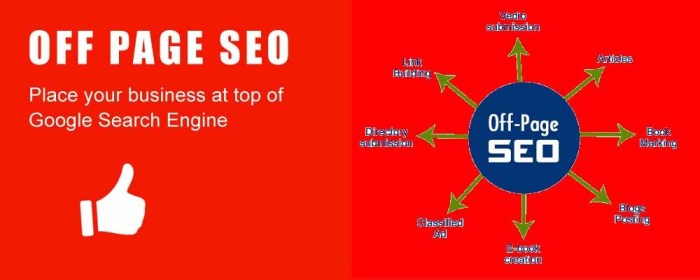
Off-page optimization focuses on activities undertaken outside the client’s website to improve its authority and visibility. This includes link building, social media marketing, and online reputation management. A freelance professional may focus on building high-quality backlinks from reputable websites to improve the client’s website’s domain authority and search engine rankings. For instance, a freelancer might identify relevant websites in the client’s niche and work to secure backlinks through guest posting or other outreach strategies.

Another example is managing the client’s online reputation by monitoring and responding to reviews and online mentions.

Technical Audits

Technical audits are crucial for identifying and resolving website technical issues that may hinder search engine crawlability and indexing. This involves analyzing website code, sitemaps, robots.txt, and other technical aspects to identify and fix problems like broken links, slow loading speeds, and duplicate content. A freelance professional will conduct a thorough audit and provide a detailed report outlining the issues found and recommending solutions to improve the website’s technical health.

For example, they might identify a problem with the website’s XML sitemap, which prevents search engines from indexing all pages effectively, and recommend a solution to fix it. Another common issue is slow loading speeds, which can negatively impact user experience and search rankings; a technical audit would help identify and resolve such problems.

Ultimately, the decision to hire a freelance professional hinges on individual business needs and priorities. By carefully considering the advantages and disadvantages, diligently vetting potential candidates, and establishing clear communication channels, businesses can leverage the expertise of freelance specialists to significantly improve their online visibility and achieve sustainable growth. The future of freelance is bright, driven by technological advancements and a growing demand for specialized skills.

By staying informed and adaptable, both freelancers and clients can navigate this evolving landscape successfully.

FAQ Explained

What is the typical cost range for freelance services?

The cost varies greatly depending on experience, services offered, and project scope. Expect a range from a few hundred to several thousand dollars per month.

How long does it take to see results from freelance efforts?

Results are not immediate. Significant improvements usually take several months, as search engine rankings are influenced by many factors. Consistent effort and ongoing optimization are key.

How can I measure the effectiveness of my freelance provider?

Regularly monitor key performance indicators (KPIs) like website traffic, rankings, and conversions. Transparent reporting from your provider is crucial for assessing performance.

What are the red flags to watch out for when hiring a freelance ?

Beware of unrealistic promises of quick results, guaranteed top rankings, or suspiciously low pricing. Check reviews and testimonials carefully.

Off-page SEO services Boosting Online Visibility

Off seo services service marketing digital

Off-page , a crucial element of a successful online strategy, focuses on building your website’s authority and reputation beyond its own domain. It’s about earning trust and visibility through external factors, ultimately influencing your search engine rankings and driving organic traffic. This involves a multifaceted approach encompassing various techniques, from strategic link building to meticulous brand reputation management.

Understanding and effectively implementing off-page strategies is paramount for achieving sustainable online growth. This involves a careful consideration of different tactics, their relative effectiveness, and the resources required for successful execution. A well-rounded off-page strategy can significantly enhance your website’s visibility, credibility, and ultimately, its success in the competitive digital landscape.

Defining Off-Page Services

Seo optimization services optimasi bagaimana upon rely samyak learnaboutus

Off-page encompasses all activities undertaken outside your website to improve its search engine rankings. Unlike on-page , which focuses on optimizing elements within your website, off-page aims to build your website’s authority and reputation across the wider web. This external validation significantly impacts how search engines perceive your site’s relevance and trustworthiness, ultimately influencing its visibility in search results.Off-page strategies differ significantly from on-page strategies.

On-page involves optimizing elements directly on your website, such as content, meta descriptions, and internal linking. It’s about controlling what happens within your website’s boundaries. Off-page , conversely, involves building relationships and earning credibilityoutside* your website. It’s about influencing perceptions of your site from external sources. This distinction is crucial for a holistic approach.

Key Differences Between Off-Page and On-Page

On-page focuses on optimizing website elements like content, title tags, meta descriptions, and internal linking to improve search engine rankings. Off-page , on the other hand, concentrates on building external authority and credibility through activities like link building, social media engagement, and brand mentions. On-page is directly controlled by the website owner, while off-page relies on external factors and relationships.

The effectiveness of on-page is relatively immediate, while off-page results often take longer to manifest.

Examples of Off-Page Tactics

Several off-page tactics exist, each contributing to a website’s online visibility. These tactics can be broadly categorized for clarity.

Building high-quality backlinks from reputable websites remains a cornerstone of off-page . A backlink is essentially a vote of confidence from another website, signaling to search engines that your content is valuable and trustworthy. The more high-quality backlinks you have, the higher your website’s authority is likely to be.

Beyond backlinks, engagement on social media platforms significantly contributes to your brand’s online visibility and reputation. Social signals, such as likes, shares, and comments, indirectly influence your website’s ranking by demonstrating audience engagement and interest.

Finally, securing brand mentions in reputable online publications and forums enhances your website’s authority and visibility. These mentions, even without direct backlinks, signal to search engines that your brand is credible and relevant within its industry.

Comparison of Off-Page Techniques

The following table compares the effectiveness and cost of various off-page techniques. Effectiveness is subjective and depends on various factors, including the quality of execution and the target audience. Cost can range from free (e.g., social media engagement) to substantial (e.g., large-scale link-building campaigns).

Technique Effectiveness Cost Time Investment
Guest Blogging High (if done well) Medium (depending on publication) Medium to High
Social Media Marketing Medium to High Low to Medium Medium
Forum Participation Low to Medium Low Low to Medium
Press Release Distribution Medium to High Medium to High Medium
Broken Link Building High Medium High

Link Building Strategies

Off seo services service marketing digital

Off-page hinges significantly on the acquisition of high-quality backlinks. These backlinks, essentially links from other websites pointing to yours, act as votes of confidence from the search engine’s perspective, signaling to algorithms that your website offers valuable and relevant content. A strong backlink profile contributes to higher search engine rankings, increased website traffic, and improved brand authority.The effectiveness of link building strategies is directly tied to the quality and relevance of the backlinks acquired.

A large number of low-quality links from irrelevant websites can actually harm your efforts, while a smaller number of high-quality links from authoritative sources can significantly boost your rankings. This necessitates a strategic approach to link building, focusing on quality over quantity.

High-Quality Backlinks: Their Importance in Off-Page

High-quality backlinks are crucial for success. They come from reputable, relevant websites with high domain authority (DA) and trust flow (TF). Search engines view these links as endorsements, indicating that your content is trustworthy and valuable. The more high-quality backlinks your website receives, the higher its authority in the eyes of search engines, leading to improved search rankings and increased organic traffic.

Conversely, low-quality backlinks from spammy or irrelevant websites can negatively impact your rankings. Therefore, focusing on acquiring high-quality backlinks is paramount for a successful off-page strategy.

Guest Blogging as a Link Building Method

Guest blogging involves writing and publishing articles on other websites within your niche. This provides an opportunity to include a backlink to your website within the author bio or within the article itself. The effectiveness of this method depends on the authority and relevance of the host website. Guest posting on high-DA blogs can significantly improve your website’s visibility and ranking.

However, it requires significant effort in finding suitable websites and creating high-quality content that resonates with their audience.

Broken Link Building as a Link Building Method

Broken link building involves identifying broken links on authoritative websites within your niche. After identifying these broken links, you can then reach out to the website owner and suggest your relevant content as a replacement. This strategy leverages existing content gaps to gain backlinks. Its success relies on finding broken links that directly relate to your content, and persuading website owners to replace the broken links with your content.

This method is generally considered lower risk than other strategies.

Resource Page Outreach as a Link Building Method

Resource pages are web pages that compile a list of helpful resources on a specific topic. Reaching out to websites with resource pages in your niche and requesting to be included can be a highly effective link building strategy. These links are typically contextually relevant and thus carry significant weight with search engines. This method requires careful research to identify relevant resource pages and crafting compelling outreach emails that highlight the value of your resource.

This approach is generally considered a lower-risk strategy due to its inherent relevance.

Comparison of Link Building Strategies: Risk and Reward

Link Building Strategy Risk Reward
Guest Blogging Moderate (depends on website quality and content relevance) High (potential for significant traffic and improved rankings)
Broken Link Building Low (relatively low chance of negative impact) Moderate (can yield high-quality backlinks, but success depends on finding relevant broken links)
Resource Page Outreach Low (generally considered safe and effective) Moderate (can generate valuable contextual backlinks)

Resources for Finding Relevant Websites for Link Building

Finding relevant websites is crucial for effective link building. A targeted approach yields better results than a scattershot approach. Here are some resources to help in this process:

  • Ahrefs: A comprehensive tool offering extensive backlink data and website analysis.
  • SEMrush: Another powerful tool providing similar functionalities to Ahrefs, including backlink analysis and competitor research.
  • Moz: A well-known platform offering tools for link building, research, and rank tracking.
  • Google Search: Surprisingly effective for finding relevant websites by using specific s and search operators.
  • BuzzSumo: Identifies trending content and influential websites within your niche, providing opportunities for guest posting or outreach.

Services Overview

Choosing the right services is crucial for online success. Understanding the various options available, their associated costs, and the potential benefits and drawbacks of different approaches is essential for making an informed decision. This section provides a comprehensive overview of services, helping you navigate the complexities of improving your online visibility.

The landscape offers a diverse range of services, catering to businesses of all sizes and industries. These services typically encompass technical (website optimization for search engines), on-page (optimizing content and website elements), and off-page (building external links and improving online reputation). Some agencies offer specialized services like local (for businesses targeting local customers), e-commerce (optimizing online stores), or content marketing (creating high-quality content to attract and engage audiences).

Types of Services

A typical service offering might include research, on-page optimization (title tags, meta descriptions, header tags, image alt text), content optimization, link building, technical (website speed optimization, mobile-friendliness, schema markup), local (Google My Business optimization), and reporting and analytics. More specialized services might focus on international , voice search optimization, or specific platform optimization (e.g., Amazon ).

In-House vs. Hiring an Agency

The decision to manage in-house or outsource to an agency depends on several factors, including budget, in-house expertise, and the scale of the project. Each approach has its own set of advantages and disadvantages.

Feature In-House Agency
Cost Potentially lower initial cost, but ongoing salary and training expenses. Higher initial cost, but potentially more cost-effective in the long run for larger projects.
Expertise Requires dedicated, skilled staff. Access to a team of experienced professionals with diverse skill sets.
Control Greater control over the strategy and implementation. Less direct control, reliance on agency communication and reporting.
Scalability Can be difficult to scale quickly to meet changing needs. Easier to scale resources up or down as needed.

Pricing Models

service providers utilize various pricing models, each with its own implications for budget planning and project management. Understanding these models is crucial for selecting a provider that aligns with your financial capabilities and project scope.

  • Hourly Rate: The provider charges an hourly rate for their services. This model offers flexibility but can be unpredictable in terms of total cost.
  • Project-Based Fee: A fixed price is agreed upon for a specific project, such as a website redesign or a link-building campaign. This model provides cost certainty but may lack flexibility.
  • Retainer Fee: A monthly fee is charged for ongoing services. This model provides consistent support and allows for continuous optimization efforts.
  • Performance-Based Fee: The provider’s fee is tied to achieving specific results, such as an increase in organic traffic or rankings. This model incentivizes performance but can be complex to measure accurately.

Questions to Ask Potential Service Providers

Before engaging an service provider, it’s essential to ask clarifying questions to ensure a good fit and avoid potential issues. A thorough vetting process will protect your investment and help you find a reliable partner.

  • What is your experience in my industry?
  • Can you provide case studies demonstrating your success?
  • What is your approach to link building, and do you adhere to Google’s Webmaster Guidelines?
  • What reporting and analytics will you provide?
  • What is your pricing model, and what are the expected deliverables for that price?
  • What is your process for identifying and addressing technical issues?
  • What is your communication strategy, and how often will you provide updates?
  • What are your guarantees or service level agreements?
  • What is your team’s expertise and experience?
  • Can you provide references from past clients?

In conclusion, mastering off-page is not a one-size-fits-all endeavor. It requires a strategic blend of link building, social media engagement, brand reputation management, and consistent monitoring of key performance indicators. By diligently implementing these strategies and adapting them to your specific needs, you can significantly enhance your online presence, drive organic traffic, and achieve sustainable growth in the dynamic world of digital marketing.

Top FAQs

What is the difference between off-page and on-page ?

On-page focuses on optimizing elements within your website (content, meta descriptions, etc.), while off-page focuses on building your website’s authority and reputation through external factors like backlinks and social media.

How long does it take to see results from off-page ?

Results vary depending on the strategy and competitiveness of your niche. It typically takes several months of consistent effort to see significant improvements in rankings and traffic.

Is off-page more important than on-page ?

Both are crucial. On-page lays the foundation, while off-page builds authority and visibility. A successful strategy requires a balanced approach to both.

How much does off-page cost?

Costs vary greatly depending on the chosen strategies and the agency or freelancer you hire. Some tactics are relatively inexpensive (e.g., social media engagement), while others (e.g., large-scale link building campaigns) can be more costly.

What are SEO Services?

Pave proprietary insights

In today’s digital landscape, a strong online presence is paramount for business success. Understanding search engine optimization () is crucial for achieving visibility and attracting potential customers. services encompass a wide range of strategies and techniques designed to improve a website’s ranking in search engine results pages (SERPs), ultimately driving organic traffic and boosting brand awareness. This exploration delves into the multifaceted world of , examining its core components and the significant impact it can have on your online success.

From optimizing website content and structure to building high-quality backlinks and monitoring performance metrics, is a continuous process that requires expertise and dedication. Different businesses have unique needs, and a tailored strategy is essential to achieve optimal results. This guide will equip you with the knowledge to understand and leverage the power of services to propel your online presence to new heights.

Technical Aspects

Seo services important why lite update pro version

Technical encompasses the behind-the-scenes optimization strategies that ensure search engines can easily crawl, index, and understand your website. These crucial elements significantly impact your website’s visibility and ranking in search results. Ignoring these aspects can severely hinder your efforts, regardless of how strong your content is.

Website speed and mobile-friendliness are paramount for a positive user experience and high search engine rankings. A slow-loading website frustrates users and leads to high bounce rates, signaling to search engines that your site isn’t providing a valuable experience. Similarly, a website that isn’t mobile-friendly loses a significant portion of its potential audience, as mobile searches now dominate.

Website Speed and Mobile-Friendliness

Google’s algorithms prioritize websites that offer fast loading times and a seamless experience across all devices. Tools like Google’s PageSpeed Insights provide detailed analyses of your website’s performance, identifying areas for improvement. Optimizing images, minimizing HTTP requests, and leveraging browser caching are common strategies to enhance speed. Ensuring responsive design – a website that adapts to different screen sizes – is essential for mobile-friendliness.

A slow website can result in lower rankings and decreased user engagement, impacting conversion rates and overall success. Conversely, a fast, mobile-friendly site improves user experience, reduces bounce rates, and signals to search engines that your website is high-quality.

Site Architecture and Search Engine Crawlability

A well-structured website makes it easier for search engine crawlers to navigate and index your content. A logical site architecture, using clear internal linking and a hierarchical structure, allows crawlers to efficiently discover and understand the relationships between your pages. This improves indexation, leading to better search engine visibility. A poorly structured site, with broken links or a confusing navigation system, can hinder crawlability and negatively impact .

XML Sitemaps and robots.txt Files

XML sitemaps act as a roadmap for search engine crawlers, providing a comprehensive list of all the pages on your website. This helps ensure that all your important content is indexed. The robots.txt file, on the other hand, instructs search engine crawlers which parts of your website they should or shouldn’t access. This is crucial for managing the indexation of sensitive content or areas under development.

Properly implementing both XML sitemaps and robots.txt files improves crawlability and helps search engines understand your website’s structure and content effectively.

Website Security and its Impact on

Website security is not just about protecting user data; it’s also a critical factor. Search engines prioritize secure websites, and a site lacking HTTPS encryption (indicated by “https://” in the URL) may be penalized in rankings. Furthermore, security vulnerabilities can lead to malware infections, which can significantly damage your website’s reputation and search engine visibility. Implementing HTTPS, regularly updating software and plugins, and employing robust security measures are essential for maintaining a secure and well-ranked website.

A secure website builds user trust, improves search engine rankings, and protects against potential reputational damage from security breaches.

Measuring Success

Pave proprietary insights

Understanding how well your strategy is performing is crucial for optimizing your website and achieving your business goals. Effective measurement allows for data-driven decision-making, enabling you to refine your approach and maximize your return on investment. Tracking key metrics provides valuable insights into your website’s visibility, engagement, and ultimately, its contribution to conversions.

Key Performance Metrics

Several key metrics are essential for monitoring success. These metrics offer a holistic view of your website’s performance across various aspects of search engine optimization. By tracking these regularly, you can identify areas for improvement and measure the impact of your efforts.

  • Organic Traffic: This represents the number of visitors arriving at your website directly from search engine results pages (SERPs) without clicking on paid advertisements. High organic traffic generally indicates strong performance and high visibility.
  • Rankings: Tracking your website’s ranking for target s provides insights into your search engine visibility. Improvements in rankings usually correlate with increased organic traffic.
  • Click-Through Rate (CTR): This metric measures the percentage of users who click on your website’s link in the SERPs after seeing it. A high CTR suggests compelling meta descriptions and title tags that encourage clicks.
  • Bounce Rate: The bounce rate indicates the percentage of visitors who leave your website after viewing only one page. A high bounce rate might suggest issues with website content, user experience, or page relevance.
  • Conversion Rate: This metric shows the percentage of website visitors who complete a desired action, such as making a purchase, filling out a form, or subscribing to a newsletter. A high conversion rate indicates that your strategy is effectively driving qualified traffic.
  • Domain Authority (DA) and Page Authority (PA): These metrics, provided by tools like Moz, represent the overall strength and authority of your website and individual pages, respectively. Higher scores generally indicate better search engine rankings.

Progress Reports

Regular reporting is essential for tracking progress and identifying areas needing attention. Reports should clearly visualize key metrics over time, highlighting trends and anomalies.

  • Monthly Performance Report: This report summarizes key metrics like organic traffic, rankings, CTR, and conversion rates for the past month. It should include comparisons to previous months to identify trends.
  • Ranking Report: This report tracks the ranking positions of your target s across different search engines. It should highlight improvements or declines in rankings over time.
  • Backlink Report: This report analyzes the quality and quantity of backlinks pointing to your website. It helps identify potential opportunities for link building and monitor the health of your backlink profile.
  • Technical Audit Report: While already addressed, this report documents technical issues, their impact, and the remediation steps taken. It’s vital for ensuring your website is technically sound for search engines.

Analyzing Website Traffic Data

Analyzing website traffic data involves more than just looking at raw numbers. Understanding the sources of your traffic, user behavior, and the effectiveness of different landing pages is crucial.Google Analytics is a powerful tool for analyzing website traffic data. It provides detailed information about user demographics, geographic location, traffic sources, and user behavior on your website. By segmenting your data, you can identify which traffic sources are driving the most conversions and which pages are most effective at engaging visitors.

Analyzing user flow and bounce rate on specific pages can reveal usability issues or content gaps. For example, identifying a high bounce rate on a specific product page might suggest the need for improved product descriptions or clearer call-to-actions.

Organic Traffic and Conversions Relationship

The following text-based illustration demonstrates the relationship between organic traffic and conversions. Imagine a funnel:“` Organic Traffic (1000 visitors) | V Qualified Leads (200 visitors) | V Conversions (50 sales)“`This simple illustration shows that while 1000 visitors might come organically, only 200 might become qualified leads, and ultimately, only 50 might convert into sales.

This highlights the importance of optimizing not just traffic volume, but also lead generation and conversion rates. This funnel represents a hypothetical scenario; actual ratios will vary greatly depending on the business, website, and industry.

Choosing the Right Provider

Selecting the right service provider is crucial for achieving your online marketing goals. A poorly chosen provider can waste your budget and even damage your website’s ranking. Understanding the key factors involved in this decision will help you make an informed choice and partner with a firm that aligns with your business objectives.

Key Factors to Consider When Selecting an Service Provider

Several critical aspects must be evaluated when choosing an provider. These factors range from their experience and expertise to their communication style and reporting methods. Failing to consider these elements could lead to unsatisfactory results and a wasted investment.

  • Proven Track Record: Look for a provider with a demonstrable history of success. Case studies showcasing their work and client testimonials are valuable indicators of their capabilities. Specific examples of ranking improvements for similar businesses would be highly beneficial.
  • Transparency and Communication: Open and consistent communication is essential. The provider should clearly Artikel their strategies, regularly update you on progress, and provide transparent reporting. A lack of transparency often signals potential issues.
  • Expertise and Specialization: Different providers specialize in various niches. Identify a provider with expertise in your industry and target audience. A firm with experience in your specific sector will understand your business needs better.
  • Ethical Practices: Ensure the provider adheres to ethical practices, avoiding black hat techniques that could harm your website’s ranking in the long run. This includes a commitment to white hat strategies that are sustainable and comply with search engine guidelines.
  • Pricing and Contract Terms: Clearly understand the pricing structure and contract terms before committing. Beware of providers offering unrealistic promises or overly aggressive pricing models. A detailed, transparent contract is essential.

Comparing Different Agencies and Their Approaches

Different agencies employ varying strategies and methodologies. Understanding these differences is vital in choosing a provider whose approach aligns with your business needs and long-term goals. Some agencies focus heavily on technical , while others prioritize content marketing or link building.

Agency Type Approach Strengths Weaknesses
Full-Service Agency Offers a comprehensive range of services, including technical , content marketing, and link building. One-stop shop for all needs; potentially more efficient. Can be more expensive; may lack specialization in specific areas.
Specialized Agency Focuses on a specific area of , such as technical or content marketing. Deep expertise in a specific area; potentially more cost-effective for targeted needs. May require working with multiple agencies for a comprehensive strategy.
Freelancer Individual consultant offering a range of services. Often more affordable; potentially more flexible and responsive. May lack the resources and support of a larger agency; potential for inconsistent service.

Checklist for Evaluating the Credibility and Expertise of an Firm

Before engaging an firm, a thorough evaluation is crucial. This checklist will help you assess their credibility and expertise, minimizing the risk of selecting an unsuitable provider.

  • Client References and Case Studies: Request references and examine case studies to verify their claims of success. Look for quantifiable results and verifiable data, not just vague statements.
  • Professional Certifications and Accreditations: Check for any relevant professional certifications or accreditations that demonstrate their expertise and commitment to best practices.
  • Online Reputation and Reviews: Research the agency’s online reputation by checking reviews on platforms like Google My Business, Yelp, and Clutch. Look for patterns and consistency in the feedback.
  • Transparency in Reporting and Methodology: Inquire about their reporting methods and how they track and measure their progress. Avoid firms that are secretive or unwilling to share details of their strategies.
  • Understanding of Your Business and Goals: Assess their understanding of your industry, target audience, and specific business objectives. A provider who demonstrates a thorough understanding is more likely to deliver effective results.

Successfully implementing services requires a comprehensive understanding of on-page and off-page optimization, technical best practices, and meticulous performance tracking. By strategically optimizing your website and employing effective link-building strategies, you can significantly enhance your search engine rankings and attract a larger, more engaged audience. Remember that consistent effort and adaptation to evolving search engine algorithms are vital for long-term success.

Investing in professional services can provide invaluable expertise and resources, ensuring your online presence thrives in the competitive digital arena.

Essential FAQs

How long does it take to see results from services?

Results vary depending on factors like website age, competition, and the scope of the strategy. Generally, noticeable improvements can take several months.

Is a one-time process or ongoing?

is an ongoing process. Search engine algorithms constantly change, requiring continuous optimization and adaptation.

What is the difference between white hat and black hat ?

White hat uses ethical and legitimate methods to improve rankings, while black hat employs deceptive tactics that violate search engine guidelines.

How much do services typically cost?

Costs vary widely depending on the scope of services, the level of expertise required, and the size of the project. It’s best to get quotes from multiple providers.