Freelance SEO Services A Comprehensive Guide

Navigating the digital landscape requires a strong online presence, and Search Engine Optimization () is the key. While larger agencies offer services, the freelance market presents a unique alternative, offering specialized expertise and often a more personalized approach. This guide explores the world of freelance services, examining their benefits, drawbacks, and the process of finding and working with a skilled professional.

From defining freelance services and outlining the various specializations within the field, we’ll delve into the advantages and disadvantages compared to agency services. We’ll equip you with the tools to find, vet, and manage a freelance expert, covering crucial aspects like communication strategies and effective client management. Finally, we’ll explore future trends and the evolving skills needed to thrive in this dynamic field.

Defining Freelance Services

Freelance services encompass a wide range of activities aimed at improving a website’s organic search engine rankings. Unlike agencies, which typically employ a team of specialists, freelance professionals operate independently, offering specialized expertise to clients on a project or retainer basis. This often results in a more personalized and cost-effective approach compared to larger agencies.Freelance services are distinguished from agency services primarily by their scale and structure.

Freelancers generally handle smaller projects or specific aspects of , whereas agencies offer comprehensive, multi-faceted strategies managed by a team. This difference translates to a more direct client-consultant relationship with freelancers, often resulting in quicker turnaround times for specific tasks.

Types of Freelance Specialists

The freelance landscape includes diverse specialists, each focusing on specific areas of expertise. These specializations allow businesses to target their needs effectively. For example, a business might need a technical specialist to address website technical issues impacting search visibility, or a content specialist to create high-quality, engaging content optimized for specific s.

Typical Services Offered by Freelance Professionals

Freelance professionals offer a variety of services, generally categorized into on-page, off-page, and technical . These services are often tailored to the client’s specific needs and budget.

On-Page Optimization

On-page optimization involves optimizing website elements directly under the website owner’s control. This includes research and implementation within website copy, meta descriptions, title tags, header tags (H1-H6), and image alt text. A freelance professional will analyze existing content and suggest improvements to enhance its relevance and search engine visibility. They may also recommend restructuring website content to improve user experience and engagement, leading to improved search engine rankings.

For example, a freelancer might analyze a client’s website and recommend changes to improve density, making the site more relevant to specific search terms.

Off-Page Optimization

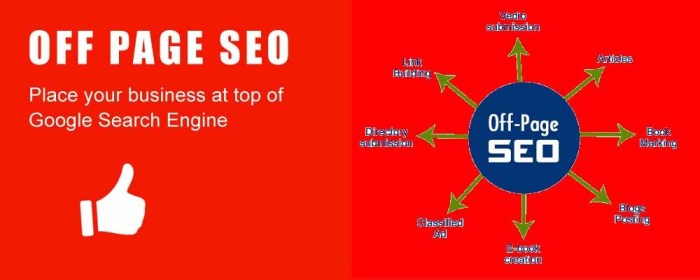
Off-page optimization focuses on activities undertaken outside the client’s website to improve its authority and visibility. This includes link building, social media marketing, and online reputation management. A freelance professional may focus on building high-quality backlinks from reputable websites to improve the client’s website’s domain authority and search engine rankings. For instance, a freelancer might identify relevant websites in the client’s niche and work to secure backlinks through guest posting or other outreach strategies.

Another example is managing the client’s online reputation by monitoring and responding to reviews and online mentions.

Technical Audits

Technical audits are crucial for identifying and resolving website technical issues that may hinder search engine crawlability and indexing. This involves analyzing website code, sitemaps, robots.txt, and other technical aspects to identify and fix problems like broken links, slow loading speeds, and duplicate content. A freelance professional will conduct a thorough audit and provide a detailed report outlining the issues found and recommending solutions to improve the website’s technical health.

For example, they might identify a problem with the website’s XML sitemap, which prevents search engines from indexing all pages effectively, and recommend a solution to fix it. Another common issue is slow loading speeds, which can negatively impact user experience and search rankings; a technical audit would help identify and resolve such problems.

Ultimately, the decision to hire a freelance professional hinges on individual business needs and priorities. By carefully considering the advantages and disadvantages, diligently vetting potential candidates, and establishing clear communication channels, businesses can leverage the expertise of freelance specialists to significantly improve their online visibility and achieve sustainable growth. The future of freelance is bright, driven by technological advancements and a growing demand for specialized skills.

By staying informed and adaptable, both freelancers and clients can navigate this evolving landscape successfully.

FAQ Explained

What is the typical cost range for freelance services?

The cost varies greatly depending on experience, services offered, and project scope. Expect a range from a few hundred to several thousand dollars per month.

How long does it take to see results from freelance efforts?

Results are not immediate. Significant improvements usually take several months, as search engine rankings are influenced by many factors. Consistent effort and ongoing optimization are key.

How can I measure the effectiveness of my freelance provider?

Regularly monitor key performance indicators (KPIs) like website traffic, rankings, and conversions. Transparent reporting from your provider is crucial for assessing performance.

What are the red flags to watch out for when hiring a freelance ?

Beware of unrealistic promises of quick results, guaranteed top rankings, or suspiciously low pricing. Check reviews and testimonials carefully.

SEO Services Pricing A Comprehensive Guide

Seo pricing professional

Unlocking the potential of your online presence hinges on understanding the nuances of services pricing. This guide navigates the complexities of costs, helping you make informed decisions and achieve optimal results for your investment. From understanding various pricing models to identifying key factors influencing costs, we’ll demystify the process, enabling you to confidently engage with professionals.

We explore the diverse range of services offered, from on-page optimization to intricate technical solutions, and how these contribute to the overall pricing structure. We’ll also examine the importance of aligning your expectations with realistic timelines and key performance indicators (KPIs) for a successful campaign. Furthermore, we’ll discuss ethical considerations, ensuring transparency and fair pricing practices throughout your journey.

Defining Services

Search Engine Optimization () services encompass a wide range of strategies and techniques designed to improve a website’s visibility on search engine results pages (SERPs). The ultimate goal is to attract more organic (non-paid) traffic to the website, leading to increased brand awareness, lead generation, and ultimately, higher sales or conversions. Effective is a multifaceted process requiring a blend of technical expertise, content creation skills, and a deep understanding of search engine algorithms. services are broadly categorized into three key areas: on-page optimization, off-page optimization, and technical .

Each area plays a crucial role in achieving a website’s overall success. The specific services offered will vary depending on the agency or freelancer, their expertise, and the client’s needs.

Types of Services

agencies and freelancers typically offer a variety of services tailored to different client needs and budgets. These services often include research, on-page optimization (including title tag and meta description optimization, header optimization, content optimization, and internal linking), off-page optimization (link building, social media marketing, and online reputation management), technical (website audits, site speed optimization, mobile optimization, schema markup implementation, and XML sitemap creation), and ongoing monitoring and reporting.

Some may also specialize in local , e-commerce , or international . The scope of work can range from a single, one-time service to an ongoing retainer agreement.

Service Packages Comparison

The following table compares different service packages, highlighting their features, target audiences, and price ranges. These are illustrative examples and actual pricing can vary significantly based on the complexity of the project, the size of the website, and the agency’s location and experience.

Service Package Features Target Audience Price Range
Basic Package research, on-page optimization, basic link building. Small businesses with limited budgets, new websites. $500 – $1500 per month
Standard Package research, comprehensive on-page optimization, off-page optimization (including link building and social media marketing), monthly reporting. Established businesses seeking to improve organic traffic, mid-sized websites. $1500 – $5000 per month
Premium Package All features of the Standard package, plus technical audit and optimization, advanced link building strategies, competitive analysis, and dedicated account manager. Large businesses with significant online presence, high-traffic websites, demanding high rankings. $5000+ per month

Factors Influencing Services Pricing

The cost of services isn’t a one-size-fits-all proposition. Many variables contribute to the final price, making it crucial for businesses to understand these factors before committing to a campaign. A transparent understanding ensures both client and agency are aligned on expectations and budget.Several key elements significantly influence the overall cost of services. These factors interact, creating a complex pricing structure that necessitates careful consideration by both parties involved.

Understanding these variables is essential for a successful and cost-effective strategy.

Project Scope and Website Size

The extent of the work required directly impacts pricing. A small, simple website with minor optimization needs will cost significantly less than a large e-commerce site needing extensive technical , content creation, and link building. For example, a small business blog might only require on-page optimization and some basic research, while a large multinational corporation might need a comprehensive strategy encompassing technical audits, content marketing, local , international , and a robust link-building program.

The sheer volume of pages to optimize, the complexity of the website’s architecture, and the amount of content needing review all contribute to the final price. Larger, more complex websites inherently require more time and expertise, thus justifying a higher cost.

Competition Level and Niche

Highly competitive industries necessitate more sophisticated strategies and often a longer timeframe to achieve noticeable results. s in saturated markets typically command higher prices due to the increased effort required to rank. For instance, ranking for “best running shoes” is far more challenging (and therefore expensive) than ranking for “best handmade dog toys in rural Vermont.” The difficulty in ranking, coupled with the potential return on investment, directly affects pricing.

A niche with less competition may require less intensive efforts, leading to lower costs.

Required Expertise and Agency Location

The level of expertise required also impacts the cost. Specialized skills, such as technical , international , or e-commerce , often command higher rates. The location of both the client and the agency can also influence pricing. Agencies in major metropolitan areas with higher operating costs tend to charge more than those in smaller towns. Similarly, clients located internationally may incur additional costs related to communication and time zone differences.

The agency’s experience, reputation, and client portfolio also factor into pricing. Established agencies with a proven track record will typically charge more than newer, less experienced firms.

Common Pricing Models in the Industry

Understanding the different pricing models used in the industry is essential for businesses to make informed decisions. Different models suit various needs and budgets.

Several common pricing models are employed by agencies:

  • Hourly Rate: This model charges clients based on the number of hours spent on the project. It provides transparency but can be unpredictable in terms of total cost.
  • Project-Based Fee: This model involves a fixed price for a defined scope of work. It offers predictability but requires a clear project Artikel upfront.
  • Retainer: This model involves a monthly fee for ongoing services. It provides consistent support and allows for flexibility in adapting to changing needs.

Pricing Models and Structures

Pricing seoreseller explained affect

Choosing the right pricing model for your services is crucial for both client satisfaction and your business profitability. Different models cater to different project scopes and client needs, each with its own set of advantages and disadvantages. Understanding these nuances is key to setting fair and effective pricing.

Several pricing models exist, each with its own strengths and weaknesses. The most common are hourly rates, project-based fees, and retainer agreements. The optimal choice depends on the complexity of the project, the client’s budget, and your business goals. Careful consideration of these factors ensures a mutually beneficial arrangement.

Hourly Pricing

Hourly pricing is straightforward: you charge a set rate for each hour of work. This model offers flexibility for projects with undefined scopes or those requiring ongoing adjustments. However, it can be less predictable for both you and the client in terms of final cost.

  • Advantages: Transparency, flexibility for evolving projects, easy to understand and implement.
  • Disadvantages: Can be unpredictable for clients regarding total cost, may incentivize longer project durations, requires meticulous time tracking.

Project-Based Pricing

Project-based pricing involves a fixed fee for a clearly defined scope of work. This model provides greater predictability for both parties and simplifies budgeting. However, it requires a thorough understanding of the project’s requirements upfront, leaving less room for unforeseen changes.

  • Advantages: Predictable costs for both parties, clear project scope, easier budgeting.
  • Disadvantages: Less flexible for scope changes, requires accurate upfront project estimation, potential for disputes if scope changes significantly.

Retainer Pricing

Retainer pricing involves a monthly fee for ongoing services. This model offers consistency and predictability for clients, allowing for proactive strategies. For providers, it provides a stable income stream and allows for long-term relationship building. However, it may require more upfront investment in client onboarding and ongoing communication.

  • Advantages: Predictable income for the provider, consistent service for the client, fosters strong client relationships, allows for proactive strategy.
  • Disadvantages: Requires consistent client communication and management, may involve some underutilized capacity during slower months, can be less flexible for sudden, large-scale project needs.

Package Price Ranges and Examples

The price range for services varies significantly depending on factors such as the chosen model, the scope of work, the client’s industry, and the agency’s experience and reputation. A basic local package might start around $500 per month, while a comprehensive national campaign could cost upwards of $10,000 per month or more under a retainer model.

Project-based services can range from a few hundred dollars for a small website audit to tens of thousands for a complete site redesign and optimization.

Package Name Price Included Services Target Audience
Basic Local $500/month On-page optimization, local citation building, Google My Business setup and optimization Small local businesses
Mid-Tier Package $1500/month On-page and off-page optimization, content creation, link building, monthly reporting Medium-sized businesses with established online presence
Enterprise Solution $5000+/month Comprehensive on-page and off-page optimization, advanced technical , content marketing strategy, competitive analysis, dedicated account manager Large businesses with complex websites and high competition
Website Audit & Optimization Project $2000 – $5000 (Project-Based) Technical audit, on-page optimization recommendations, content gap analysis, and implementation of suggested changes Businesses needing a one-time assessment and improvement plan

Client Expectations and Service Delivery

Understanding client expectations and delivering on promises are crucial for a successful campaign. Transparency and realistic expectations from the outset build trust and foster a positive working relationship. This section details timelines, key performance indicators (KPIs), and a sample contract to clarify the service agreement.Successful is a marathon, not a sprint. While some initial gains may be seen relatively quickly, substantial, sustainable improvements in organic search rankings and website traffic typically take several months, sometimes even a year or more, depending on the complexity of the website, the competitiveness of the niche, and the scope of the strategy.

Rapid, unrealistic promises should be viewed with skepticism.

Realistic Timelines for Results

Achieving top search engine rankings requires a sustained effort. Factors influencing the timeline include the website’s current state (technical , content quality, backlink profile), the competitiveness of the target s, and the overall strategy implemented. A comprehensive strategy encompassing on-page optimization, off-page optimization, and technical will generally yield better and more sustainable results over time than a quick-fix approach.

For example, a highly competitive might take six months to a year to see significant improvement, whereas a less competitive could show results within three to six months. Regular reporting and communication are vital to track progress and adjust the strategy as needed.

Key Performance Indicators (KPIs) for Success

Several key performance indicators (KPIs) are used to measure the success of an campaign. These metrics provide quantifiable data to track progress and demonstrate the return on investment (ROI).

  • Organic Search Traffic: Measures the number of visitors arriving at the website from organic search results. An increase indicates improved search engine visibility.
  • Rankings: Tracks the position of the website for specific s in search engine results pages (SERPs). Improved rankings show better visibility for targeted s.
  • Conversion Rate: Measures the percentage of website visitors who complete a desired action (e.g., making a purchase, filling out a form). Increased conversion rates indicate that efforts are driving qualified leads.
  • Backlinks: Counts the number of high-quality websites linking to the client’s website. An increase in high-quality backlinks signals improved authority and trust in the eyes of search engines.
  • Domain Authority (DA) and Page Authority (PA): These metrics, provided by platforms like Moz, represent the website’s overall authority and the authority of individual pages, respectively. Higher scores generally correlate with better search engine rankings.

Sample Services Contract

This is a sample contract and should be reviewed and adapted by legal professionals to meet specific needs and jurisdictions.

Section Details
Client [Client Name and Contact Information]
Provider [ Provider Name and Contact Information]
Scope of Work Detailed description of services to be provided (e.g., research, on-page optimization, link building, technical ). Specific tasks and deliverables should be clearly Artikeld.
Deliverables List of specific deliverables, including reports, analyses, and other outputs. Specify the frequency of reporting.
Timeline Start and end dates of the project, along with milestones and deadlines for specific tasks.
Payment Terms Artikel payment schedule, methods of payment, and any applicable fees or penalties. (e.g., monthly retainer, project-based fees).
Confidentiality Clause protecting the confidentiality of client data and information.
Termination Clause Conditions under which either party can terminate the contract.
Liability Limits of liability for both parties.
Governing Law Specifies the jurisdiction governing the contract.

It is crucial that both the client and the provider thoroughly review and understand all terms and conditions before signing the contract.

Understanding Services Value

Seo pricing professional

Investing in professional services offers significant long-term advantages over attempting DIY . While the upfront cost might seem substantial, the potential return on investment (ROI) and sustained business growth far outweigh the expenses. This section will explore how to calculate ROI and highlight the benefits of professional compared to self-managed strategies.Understanding the value proposition of requires a comprehensive view, encompassing both immediate and long-term gains.

It’s not merely about ranking higher in search results; it’s about attracting qualified leads, boosting brand visibility, and ultimately driving revenue growth.

Calculating Return on Investment (ROI) for Services

Calculating the ROI of requires a methodical approach. First, you need to determine your total investment in services, including monthly retainer fees, one-time setup costs, and any additional services. Next, track key performance indicators (KPIs) such as website traffic, lead generation, and sales conversions. By comparing the increase in revenue generated directly attributable to improved performance against the total investment, you can calculate the ROI.

A simple formula to use is: (Increase in Revenue – Total Investment) / Total Investment100% = ROI. For example, if your investment was $5,000 and it generated an additional $15,000 in revenue, your ROI would be 200%. It’s crucial to accurately attribute revenue increases to the campaign; this often requires careful tracking and analysis of marketing data.

Long-Term Benefits of Professional Services

Professional services offer several long-term benefits compared to DIY approaches. A professional agency possesses expertise in search engine algorithms, research, link building, and content optimization, resulting in more effective and sustainable results. DIY approaches often lack this depth of knowledge and can lead to wasted time and resources, and even penalties from search engines. Professional also provides consistent optimization and monitoring, ensuring your website remains competitive in the ever-evolving digital landscape.

This ongoing maintenance is often neglected in DIY efforts, leading to gradual decline in rankings.

Examples of Successful Campaigns and Their Impact on Business Growth

Numerous case studies demonstrate the transformative power of professional . For instance, a small e-commerce business specializing in handcrafted jewelry saw a 300% increase in organic website traffic within six months of implementing a comprehensive strategy. This resulted in a 150% increase in sales. Another example involves a local restaurant that utilized local to boost its visibility in Google Maps and local search results.

This led to a significant increase in foot traffic and reservations, ultimately increasing revenue by 40% in the first year. These successes highlight the importance of a well-defined strategy, consistent implementation, and the value of professional expertise in achieving impactful results.

Ethical Considerations in Pricing

Pricing transparency and fairness are crucial for building trust and long-term relationships in the industry. Ethical pricing not only protects clients from exploitation but also fosters a healthy competitive environment, discouraging unsustainable practices and promoting professionalism. A commitment to ethical pricing demonstrates a dedication to client success over short-term gains.Transparent and fair pricing practices are essential for building a sustainable and ethical business.

Lack of transparency can lead to mistrust, disputes, and ultimately, damage to reputation. Conversely, clearly outlining pricing structures and services upfront fosters trust and allows clients to make informed decisions, promoting a positive and collaborative working relationship.

Transparent Pricing Structures

Openly communicating the pricing structure is paramount. This includes clearly defining what is included in the price (e.g., research, on-page optimization, link building, reporting), and what is not (e.g., content creation, paid advertising). A detailed breakdown of costs allows clients to understand the value they are receiving for their investment and prevents misunderstandings later on. For example, a pricing sheet could clearly delineate hourly rates for specific tasks, project-based fees for comprehensive campaigns, or tiered packages offering varying levels of service.

This transparency ensures clients are not surprised by unexpected charges.

Risks of Unrealistic Pricing Promises and Hidden Fees

Unrealistic pricing promises, often significantly lower than industry standards, are a major ethical concern. Such promises are often made to secure clients but often result in compromised service quality or hidden fees added later. Hidden fees, such as extra charges for seemingly included services or unexpected expenses, damage client trust and can lead to legal disputes. For instance, a company promising top rankings within a month for an unrealistically low price is likely cutting corners, employing black-hat tactics, or planning to add substantial hidden fees later in the project.

This not only harms the client’s website but also undermines the reputation of the entire industry.

Building Trust and Transparency

Building trust and transparency with clients involves clear communication throughout the entire process. This includes providing detailed proposals that Artikel the scope of work, deliverables, timelines, and payment schedules. Regular progress reports and open communication about any unexpected issues or changes help maintain transparency. Offering various pricing options, such as hourly rates, project-based fees, or retainer agreements, allows clients to choose a model that best suits their needs and budget.

Furthermore, obtaining client feedback regularly allows for adjustments and improvements in service delivery, demonstrating a commitment to client satisfaction. A well-defined service level agreement (SLA) further strengthens this commitment, outlining expectations and accountability for both parties.

Investing in professional services is a strategic move that can significantly impact your business’s online visibility and growth. By understanding the various factors that influence pricing, selecting appropriate pricing models, and setting realistic expectations, you can effectively manage your budget and maximize your return on investment. Remember, a transparent and ethical approach to pricing fosters trust and ensures a successful, long-term partnership with your provider.

Question & Answer Hub

What is the average cost of services?

The cost varies significantly depending on factors like website size, competition, and desired services. Expect a wide range, from a few hundred to several thousand dollars per month.

How long does it take to see results from ?

Results vary, but you should see some improvements within 3-6 months. Consistent effort and ongoing optimization are crucial for long-term success.

What are the key performance indicators (KPIs) for ?

Key KPIs include organic traffic, rankings, website visibility, conversion rates, and backlink profiles.

Should I choose hourly, project-based, or retainer services?

The best model depends on your needs and budget. Hourly suits smaller projects, project-based is suitable for defined tasks, and retainers offer ongoing support.

How can I ensure transparency in pricing?

Request detailed proposals outlining all services, costs, and payment terms. Look for providers who are open and upfront about their pricing structure.

Top SEO Agencies A Comprehensive Guide

Seo agency top hiring benefits singapore credit google

The digital landscape is fiercely competitive, making a strong online presence crucial for businesses of all sizes. Securing this presence often hinges on effective Search Engine Optimization (), and for many, that means partnering with a top-tier agency. But what exactly defines a “top” agency? This exploration delves into the characteristics, services, and strategies that distinguish the best from the rest, providing insights for businesses seeking to elevate their online visibility.

From understanding key performance indicators (KPIs) and analyzing various methodologies to examining client acquisition and internal operations, we’ll dissect the inner workings of these high-performing agencies. We will also explore emerging trends, future challenges, and the transformative role of artificial intelligence, painting a comprehensive picture of the current landscape and its future evolution.

Defining “Top” Agencies

Defining what constitutes a “top” agency requires a multifaceted approach, moving beyond simple rankings and focusing on demonstrable results and a commitment to ethical practices. While size and revenue can be indicators, true excellence hinges on a combination of expertise, strategy, and demonstrable client success.

Several key characteristics distinguish top agencies from their competitors. These agencies typically possess a deep understanding of search engine algorithms and industry best practices, constantly adapting to the ever-evolving landscape of search engine optimization. They prioritize a data-driven approach, using analytics to inform strategy and measure progress, and employ a diverse team with specialized skills in areas like technical , content creation, and link building.

Furthermore, they often cultivate strong relationships with clients, fostering transparency and collaboration throughout the process.

Key Performance Indicators (KPIs) for Agencies

Measuring the success of an agency relies on a suite of key performance indicators (KPIs) that track the effectiveness of their strategies. These metrics provide concrete evidence of progress and allow for adjustments as needed. Focusing solely on rankings can be misleading; a holistic approach is crucial.

  • Organic Traffic: An increase in website traffic from organic search results directly reflects the effectiveness of efforts. This is often measured by the total number of visits, unique visitors, and page views from organic sources.
  • Rankings: While not the sole indicator of success, tracking rankings for targeted terms demonstrates progress in search engine visibility. Improvements in rankings for relevant s usually correlate with increased organic traffic.
  • Conversion Rates: Ultimately, the goal of is to drive conversions – whether that’s sales, leads, or other desired actions. Tracking conversion rates helps determine how effectively is contributing to business objectives.
  • Domain Authority (DA) and Page Authority (PA): These metrics, provided by Moz, indicate the overall strength and trustworthiness of a website in the eyes of search engines. Improvements in DA and PA suggest a positive impact from activities.
  • Backlink Profile: High-quality backlinks from reputable websites are a significant ranking factor. Analyzing the quantity and quality of backlinks acquired provides insight into the effectiveness of off-page optimization strategies.

Methodologies Employed by Top Agencies

Top agencies utilize a variety of methodologies, often tailoring their approach to the specific needs of each client and the competitive landscape. While the specifics vary, a common thread is a focus on ethical and sustainable practices that comply with search engine guidelines.

  • On-Page Optimization: This involves optimizing website content, structure, and technical elements to improve search engine visibility. This includes research, content optimization, meta description writing, and image optimization.
  • Off-Page Optimization: This focuses on building high-quality backlinks from reputable websites to increase domain authority and improve search engine rankings. This includes guest blogging, outreach, and building relationships with other websites.
  • Technical : This encompasses the technical aspects of a website that impact search engine crawlability and indexability. This includes site speed optimization, mobile-friendliness, schema markup, and XML sitemap implementation.
  • Content Marketing: Creating high-quality, engaging content that is relevant to the target audience is crucial for attracting organic traffic and establishing authority. This includes blog posts, articles, infographics, and videos.
  • Local : For businesses with a physical location, optimizing their online presence for local searches is essential. This includes Google My Business optimization, citation building, and local directory listings.

The Importance of Client Testimonials and Case Studies

Client testimonials and case studies offer valuable insights into an agency’s capabilities and track record. They provide concrete evidence of past successes and allow potential clients to assess the agency’s effectiveness in achieving desired outcomes. These should not be overlooked in the evaluation process.

Genuine testimonials reflect real client experiences and provide a more nuanced understanding of the agency’s approach and communication style than marketing materials alone. Similarly, well-documented case studies demonstrate the agency’s ability to analyze challenges, develop effective strategies, and deliver measurable results. The inclusion of specific data points, such as percentage increases in organic traffic or conversion rates, further strengthens the credibility of these testimonials and case studies.

Services Offered by Top Agencies

Agencies

Top agencies offer a comprehensive suite of services designed to improve a client’s online visibility and drive organic traffic. These services are strategically interwoven to create a holistic approach, maximizing the impact of each individual element. The effectiveness of this approach hinges on a deep understanding of both the client’s business goals and the ever-evolving search engine algorithms.

Comprehensive List of Services

Leading agencies typically provide a wide range of services, often tailored to the specific needs of each client. The following table Artikels some of the core services, their benefits, and common pricing models.

Service Description Benefits Pricing Model
Research & Analysis Identifying relevant s with high search volume and low competition, crucial for targeting the right audience. Improved organic search rankings, increased website traffic from targeted searches. Project-based or retainer
On-Page Optimization Optimizing website content, meta descriptions, title tags, and other on-site elements to improve search engine ranking. Enhanced website authority, improved user experience, higher click-through rates. Project-based or retainer
Off-Page Optimization Building high-quality backlinks from reputable websites to increase website authority and search engine ranking. Increased domain authority, improved search engine rankings, enhanced brand credibility. Project-based or retainer
Technical Addressing technical issues that impact website crawlability, indexability, and overall performance in search engine results. Improved website speed, enhanced user experience, better search engine indexing. Project-based or retainer
Content Marketing Creating high-quality, engaging content that attracts and retains customers, improving organic search rankings and brand awareness. Increased website traffic, improved lead generation, enhanced brand authority. Project-based, retainer, or per-piece
Local Optimizing online presence for local businesses to attract customers searching for services or products in their geographic area. Increased local search visibility, improved customer acquisition from local searches. Retainer or project-based
Reporting & Analysis Tracking key performance indicators (KPIs) and providing regular reports on performance to monitor progress and identify areas for improvement. Data-driven insights for optimization, transparent performance tracking, accountability. Included in retainer packages, or project-based

Strategic Importance of Integrated Services

Each service listed above plays a vital role in a holistic strategy. For example, research informs content creation and on-page optimization, while off-page optimization builds authority to amplify the impact of on-page efforts. Technical ensures that all other efforts are not hampered by website issues. Local targets a specific geographic audience, while content marketing expands reach and engagement beyond immediate search results.

Finally, consistent reporting and analysis allows for continuous improvement and adaptation.

Example of Integrated Service Implementation

Imagine a hypothetical e-commerce business selling handcrafted jewelry. A comprehensive strategy would begin with research to identify terms like “handmade jewelry,” “artisan necklaces,” and “unique earrings.” This informs the creation of high-quality product descriptions and blog posts (content marketing) optimized with these s (on-page optimization). Simultaneously, the agency would build high-quality backlinks from relevant lifestyle blogs and craft websites (off-page optimization), enhancing the site’s authority.

Technical ensures the website loads quickly and is easily crawlable by search engines. Finally, local efforts might target specific geographic areas through Google My Business optimization, increasing visibility for customers searching locally.

Hypothetical Marketing Campaign

A marketing campaign showcasing a comprehensive service package could highlight a case study of a similar business. For example, “See how we increased [Client X]’s organic traffic by 75% in six months through a strategic blend of research, on-page optimization, and targeted link building. Let us create a custom strategy to achieve similar results for your business.” The campaign would emphasize the holistic nature of the service, focusing on the synergistic effect of the various components to achieve superior results.

Visual elements could include before-and-after graphs showing improved rankings and traffic.

Client Acquisition and Management

Seo agency top hiring benefits singapore credit google

Top agencies employ sophisticated strategies to attract and retain clients, building strong, mutually beneficial relationships. Their success hinges on a combination of effective marketing, personalized service, and a demonstrable track record of delivering results. These agencies understand that client acquisition is an ongoing process, requiring consistent effort and adaptation to market trends.

Client Acquisition Strategies

Leading agencies utilize a multi-faceted approach to attract new clients. This typically involves a blend of inbound and outbound marketing tactics. Inbound strategies focus on attracting potential clients through valuable content, such as blog posts, case studies, and webinars showcasing their expertise. Outbound strategies include targeted advertising campaigns on platforms like LinkedIn and Google Ads, attending industry events for networking, and leveraging strategic partnerships with complementary businesses.

Agencies also actively cultivate their online presence, optimizing their websites for relevant s and building a strong reputation through online reviews and testimonials. A robust referral program, incentivizing existing clients to recommend their services, is another key component of a successful acquisition strategy.

Building Strong Client Relationships

The foundation of strong client relationships is open and transparent communication. Top agencies prioritize proactive updates, keeping clients informed about the progress of their campaigns. They also establish clear expectations from the outset, defining deliverables, timelines, and key performance indicators (KPIs) in a detailed service agreement. Regular meetings, either virtual or in-person, allow for ongoing dialogue, addressing concerns and celebrating successes.

Active listening and a genuine interest in the client’s business goals are crucial for fostering trust and loyalty. Furthermore, many agencies provide personalized client portals where clients can access reports, communicate with their dedicated account manager, and track campaign performance in real-time. This level of transparency and accessibility significantly enhances the client experience.

Client Communication Strategies

Top agencies employ a variety of communication strategies tailored to individual client preferences and needs. Some agencies favor regular email updates summarizing campaign performance and highlighting key achievements. Others opt for weekly or bi-weekly calls, providing a more interactive and personalized approach. Many agencies utilize project management software to centralize communication, track tasks, and share documents. This ensures everyone is on the same page and facilitates efficient collaboration.

The choice of communication strategy often depends on the client’s size, industry, and the complexity of the campaign. For example, a large enterprise client might require more frequent and detailed reports than a smaller business. The key is to maintain consistent and effective communication, adapting the approach to meet the client’s specific needs and preferences.

Sample Client Onboarding Process

A hypothetical top agency, “Apex Solutions,” might employ the following onboarding process:

1. Initial Consultation

A detailed discovery call to understand the client’s business goals, target audience, and existing online presence.

2. Proposal Development

A customized proposal outlining the proposed strategy, deliverables, timeline, and pricing.

3. Contract Signing

A formal agreement outlining the scope of work, payment terms, and key performance indicators (KPIs).

4. Research & Analysis

In-depth research to identify relevant terms for targeting.

5. Technical Audit

A comprehensive audit of the client’s website to identify and address any technical issues impacting performance.

6. Content Strategy Development

Creation of a content strategy aligned with the research and target audience.

7. Campaign Launch

Implementation of the agreed-upon strategy, including on-page optimization, off-page optimization, and content creation.

8. Ongoing Reporting & Optimization

Regular reporting and analysis of campaign performance, with ongoing adjustments to optimize results.

Internal Operations and Expertise

Top agencies are highly structured organizations, demanding a blend of technical prowess, strategic thinking, and client management skills. Their internal operations are designed for efficiency and scalability, allowing them to handle multiple clients and projects simultaneously while maintaining high-quality results. This necessitates a clear organizational structure and a team possessing a diverse range of expertise.

Organizational Structure of a Top Agency

A typical top agency employs a hierarchical structure, often with specialized teams. A common model includes a leadership team (CEO, COO, etc.), account managers responsible for client relationships, specialists focusing on technical , content strategy, and link building, and a supporting team encompassing designers, developers, and data analysts. Smaller agencies may have a flatter structure, but the core specializations remain the same.

Larger agencies might also include dedicated departments for content creation, social media management, and paid advertising, further enhancing their comprehensive service offerings. Effective communication and collaboration between these teams are crucial for project success.

Essential Skills and Expertise Within an Agency Team

The success of a top agency hinges on the skills and expertise of its team members. Technical specialists require in-depth knowledge of search engine algorithms, website architecture, and technical optimization techniques. Content strategists need strong writing and editing skills, coupled with an understanding of best practices and content marketing principles. Data analysts proficient in tools like Google Analytics and Search Console are essential for tracking performance and identifying areas for improvement.

Furthermore, project managers are needed to oversee project timelines, budgets, and client communication. Strong communication and client management skills are essential across all roles, fostering positive client relationships and ensuring project alignment with client goals.

Essential Tools and Technologies Used by Top Agencies

Top agencies leverage a range of sophisticated tools and technologies to enhance their efficiency and effectiveness. These typically include software suites like SEMrush, Ahrefs, or Moz, which provide comprehensive data on rankings, backlink profiles, and competitor analysis. Google Analytics and Search Console are indispensable for tracking website traffic and performance. Project management tools like Asana or Trello facilitate efficient task management and collaboration within teams.

Content management systems (CMS) like WordPress are commonly used for website development and content publishing. Furthermore, many agencies use data visualization tools like Tableau or Power BI to present performance data clearly to clients. The specific tools employed may vary depending on the agency’s size and specialization, but the core functionality remains consistent: data analysis, project management, and client communication.

Performance Metrics Management and Tracking

Top agencies meticulously track and analyze performance metrics to gauge the success of their strategies and demonstrate ROI to clients. Key metrics include organic search rankings, website traffic, conversion rates, and rankings. These metrics are regularly monitored and reported, often using dashboards and custom reports. Agencies use data analysis to identify areas for improvement, refine their strategies, and demonstrate the value of their services to clients.

Regular client reporting, incorporating visual representations of data, is critical for maintaining transparency and building strong client relationships. This data-driven approach allows agencies to continuously optimize their strategies, ensuring clients see tangible results.

Market Trends and Future of Top Agencies

The landscape is in constant flux, driven by algorithmic updates, technological advancements, and evolving user behavior. Top agencies must navigate these changes effectively to maintain their competitive edge and deliver results for their clients. Understanding current trends and proactively adapting to future challenges is paramount for their continued success.The convergence of several factors is shaping the future of top agencies.

These agencies are no longer solely focused on optimization; rather, they are embracing a holistic approach encompassing technical , content marketing, and data-driven strategies. The increasing sophistication of search engine algorithms demands a deeper understanding of user intent and experience, pushing agencies to refine their strategies and expertise.

Emerging Trends and Their Impact

Several key trends are significantly impacting top agencies. The rise of voice search, for instance, necessitates a shift in strategy towards longer-tail, conversational queries. Similarly, the growing importance of mobile-first indexing demands a meticulous focus on mobile-optimized websites and content. Furthermore, the increasing prevalence of artificial intelligence (AI) is revolutionizing processes, from content creation to performance analysis.

Top agencies are incorporating AI-powered tools to improve efficiency and accuracy, leading to better results for their clients. For example, agencies are using AI to analyze large datasets to identify trends and patterns, leading to more targeted strategies and improved content optimization. Another example is the use of AI-powered writing tools to generate high-quality content at scale.

Challenges Faced by Top Agencies

Maintaining a competitive advantage in a rapidly evolving market presents several challenges. The ever-changing search engine algorithms require constant learning and adaptation. Keeping up with the latest updates and best practices demands significant investment in training and development for agency staff. Competition from both established agencies and smaller, more agile competitors is also fierce. Additionally, accurately measuring the return on investment (ROI) of campaigns can be difficult, requiring sophisticated analytics and reporting capabilities.

Furthermore, the increasing complexity of necessitates specialized expertise across various disciplines, requiring agencies to assemble multi-skilled teams.

Strategies for Adapting to Future Changes

Top agencies can implement several strategies to adapt to future changes. Investing in continuous learning and development for their staff is crucial. This includes staying abreast of algorithmic updates, mastering new tools, and developing expertise in emerging areas like AI and machine learning. Diversifying service offerings, beyond traditional , to include content marketing, social media marketing, and paid advertising, can also broaden their appeal and enhance client retention.

Building strong client relationships based on trust and transparency is essential. Open communication and regular reporting on campaign progress helps foster long-term partnerships. Finally, leveraging data analytics and AI-powered tools to enhance efficiency and accuracy in campaign management and optimization is vital for future success. For instance, agencies can utilize predictive analytics to anticipate algorithmic changes and proactively adjust their strategies.

The Role of Artificial Intelligence in Shaping the Future of Services

Artificial intelligence is rapidly transforming the landscape. AI-powered tools can automate many time-consuming tasks, such as research, content optimization, and technical audits. This frees up agency professionals to focus on higher-level strategic planning and client management. AI can also provide deeper insights into user behavior and search trends, enabling more targeted and effective campaigns.

For example, AI-powered platforms can analyze vast amounts of data to identify patterns and predict future trends, allowing agencies to anticipate changes in search engine algorithms and adapt their strategies accordingly. However, it is important to note that AI should be seen as a tool to augment human expertise, not replace it. The human element remains crucial in understanding the nuances of and building strong client relationships.

Ultimately, selecting the right agency is a crucial investment. By understanding the key factors discussed – from their service offerings and client management approaches to their internal expertise and adaptation to industry trends – businesses can make informed decisions that drive tangible results. The path to online success is paved with strategic partnerships and a deep understanding of the ecosystem; this guide serves as a roadmap for navigating that journey effectively.

Question Bank

What is the average cost of hiring a top agency?

Pricing varies greatly depending on the agency’s size, experience, and the scope of services. Expect a range from several hundred to several thousand dollars per month.

How long does it take to see results from efforts?

Significant results typically take several months, as is a long-term strategy. Initial improvements may be seen sooner, but sustained growth requires consistent effort and optimization.

What are the red flags to watch out for when choosing an agency?

Beware of agencies guaranteeing top rankings, using black hat techniques (spammy tactics), or lacking transparency in their reporting and processes.

How can I measure the effectiveness of my agency?

Monitor key metrics like organic traffic, rankings, conversion rates, and website engagement. Regular communication with your agency is vital for tracking progress and making adjustments.

How to Choose an SEO Company

Seo company choose needs

Selecting the right company can significantly impact your online success. A poorly chosen agency can waste resources and hinder growth, while a strategic partnership can propel your business to new heights. This guide navigates the complexities of choosing an partner, empowering you to make an informed decision that aligns with your business goals.

We’ll explore crucial aspects, from understanding your specific needs and evaluating different pricing models to assessing the quality of services offered and navigating contract negotiations. By the end, you’ll be equipped with the knowledge to confidently choose an company that delivers tangible results.

Evaluating Companies

Seo

Choosing the right company is crucial for your online success. A thorough evaluation process, encompassing pricing models, ethical practices, and client feedback, is essential to avoid costly mistakes and ensure a positive return on your investment. This section will guide you through key aspects of this evaluation.

Company Pricing Models

companies employ various pricing models, each with its own advantages and disadvantages. Understanding these models is vital for making an informed decision. Common models include project-based pricing, hourly rates, and retainer agreements. Project-based pricing involves a fixed fee for a specific project, offering budget predictability. Hourly rates offer flexibility but can lead to unpredictable costs.

Retainer agreements provide ongoing services at a fixed monthly fee, ensuring consistent support. The best model depends on your specific needs and budget. For example, a small business with a limited budget might opt for project-based pricing for a specific campaign, while a larger company with ongoing needs might prefer a retainer agreement.

Red Flags Indicating Unethical or Ineffective Practices

Several red flags can signal potentially unethical or ineffective practices. These include guarantees of top rankings (organic search results are influenced by many factors beyond any single company’s control), promises of quick results (sustainable takes time), suspiciously low pricing (often indicative of low-quality work or black-hat techniques), a lack of transparency regarding their strategies, and an unwillingness to share client references.

For example, an agency promising a number one Google ranking within a week is highly suspect. Similarly, an agency refusing to provide case studies or client testimonials should raise concerns.

Client Testimonials: Positive and Negative Experiences

Examining client testimonials provides valuable insights into an company’s performance. Positive testimonials often highlight increased website traffic, improved rankings, and a positive return on investment. For instance, one positive testimonial might read: “Working with [Company Name] dramatically increased our organic traffic, leading to a 30% increase in leads within six months.” Conversely, negative testimonials may reveal issues such as poor communication, missed deadlines, and a lack of results.

A negative testimonial might state: “Despite promises of improved rankings, we saw no significant changes and the communication was extremely poor.” Thoroughly researching both positive and negative feedback is crucial.

Transparency and Communication in an Agency

Transparency and open communication are paramount when selecting an agency. A reputable company will clearly Artikel its strategies, regularly report on progress, and be readily available to answer questions. They should provide detailed monthly reports that showcase key performance indicators (KPIs) such as website traffic, rankings, and backlink profiles. A lack of transparency or difficulty in contacting the agency should be considered a major red flag.

For example, an agency that provides only vague updates or refuses to explain its strategies lacks the transparency needed for a successful partnership. Regular communication ensures you are kept informed and can provide feedback, fostering a collaborative relationship.

Assessing Services

Choosing the right company requires a thorough understanding of the services they offer. Different companies specialize in various aspects of , and understanding these specializations is crucial for selecting a firm that aligns with your business needs and goals. A comprehensive assessment should include examining the scope of their services, their approach, and their demonstrable results.

Effective strategies encompass a multifaceted approach, incorporating on-page optimization, off-page optimization, and technical . Each element plays a vital role in improving search engine rankings and driving organic traffic. Understanding the nuances of these services and how they interrelate is paramount in making an informed decision.

Service Package Comparison

Different companies offer various packages, each with varying levels of service and pricing. The following table compares the features and benefits of three common service packages, highlighting the key differences to aid in your selection process.

Service Package On-Page Optimization Off-Page Optimization Technical
Basic Package research, title tag and meta description optimization, header optimization Basic link building (e.g., directory submissions) Website speed analysis and recommendations
Standard Package Comprehensive on-page optimization, content optimization, internal linking Link building campaigns, social media promotion, guest blogging Website audit, sitemap submission, schema markup implementation
Premium Package Advanced on-page optimization, content creation, A/B testing Extensive link building, influencer outreach, brand reputation management Comprehensive technical audit and optimization, performance monitoring

Key Questions for Assessing Expertise

Asking the right questions is crucial to gauge a potential company’s expertise and experience. These questions delve into their strategies, methodologies, and ability to deliver measurable results. Direct and specific inquiries are more effective than broad, general questions.

  • Details regarding their past client success stories, including specific examples of improved search rankings and increased organic traffic.
  • Their approach to research and selection, and the tools and techniques employed.
  • Their strategies for building high-quality backlinks and avoiding penalties from search engines.
  • Their understanding and implementation of technical best practices, such as site speed optimization and mobile-friendliness.
  • Their reporting methods and the key performance indicators (KPIs) they track to measure success.
  • Their experience with specific challenges and how they have overcome them.
  • Their understanding of your industry and target audience.

Examples of Successful Campaigns

Analyzing successful campaigns provides valuable insights into effective strategies and achievable results. These examples showcase the impact of well-executed on business growth.

  • Case Study 1: A local bakery implemented a comprehensive strategy including on-page optimization, local , and social media marketing. This resulted in a 40% increase in organic website traffic and a 25% rise in sales within six months.
  • Case Study 2: An e-commerce company focused on technical improvements, resulting in a 30% reduction in bounce rate and a 15% increase in conversion rates.

Case Studies and Examples

Choosing the right company is crucial for online success. Examining real-world case studies provides invaluable insight into the effectiveness of different strategies and the tangible results achieved. This section will explore successful campaigns, illustrating the process and showcasing measurable improvements.Successful strategies demonstrably improve website rankings and drive increased traffic. A well-executed campaign uses a blend of technical , content optimization, and link building to enhance a website’s visibility in search engine results pages (SERPs).

This leads to higher organic rankings, attracting more relevant users and ultimately boosting conversions. This increased visibility translates directly into improved brand awareness, lead generation, and sales.

Case Study: Revamping a Local Bakery’s Online Presence

This case study focuses on “The Sweet Spot,” a local bakery with a charming storefront but a neglected online presence. Their website was outdated, lacked optimization, and had minimal backlinks. After engaging with an agency, several key changes were implemented. First, the website underwent a complete redesign, improving its user experience (UX) and mobile responsiveness.

Second, a comprehensive research strategy identified relevant search terms like “best cupcakes near me,” “custom birthday cakes,” and “gluten-free bakery options.” These s were then strategically incorporated into the website’s content, meta descriptions, and image alt text. Third, the agency built high-quality backlinks from local directories, food blogs, and community websites. Finally, they implemented regular content marketing, publishing blog posts about baking tips and recipes, further enhancing the site’s authority.Before implementation, The Sweet Spot’s website received minimal organic traffic, ranking poorly for relevant s.

After six months of the campaign, their website traffic increased by 150%, their average search ranking improved by 30 positions for key s, and their online orders increased by 75%. This demonstrated a clear return on investment (ROI) for the bakery.

Metrics Used to Measure Campaign Success

Several key metrics are used to assess the success of an campaign. These metrics provide quantifiable data to track progress and demonstrate the effectiveness of the implemented strategies.

  • Organic Traffic: This measures the number of visitors arriving at a website from search engine results. A significant increase in organic traffic indicates improved search engine rankings and visibility.
  • Rankings: This tracks the position of a website for specific s in search engine results pages (SERPs). Improvements in rankings indicate increased visibility for targeted search terms.
  • Domain Authority (DA) and Page Authority (PA): These metrics, provided by platforms like Moz, assess the overall authority and trustworthiness of a website and its individual pages, respectively. Higher DA and PA scores generally correlate with better search engine rankings.
  • Conversion Rate: This measures the percentage of website visitors who complete a desired action, such as making a purchase or filling out a contact form. An increase in conversion rate shows that efforts are driving qualified leads and sales.
  • Backlinks: The number and quality of websites linking to a specific website. High-quality backlinks from reputable sources signal authority and trust to search engines.

Effective is a long-term strategy requiring consistent effort and monitoring. Regularly analyzing these metrics is essential for making data-driven decisions and optimizing the campaign for optimal results.

Contract and Agreement

Choosing the right company is crucial for your online success, but the process doesn’t end with selection. A well-drafted contract protects both you and the firm, ensuring clarity and accountability throughout the campaign. Ignoring this crucial step can lead to misunderstandings, disputes, and ultimately, wasted resources.A comprehensive contract Artikels the scope of work, payment terms, performance metrics, and dispute resolution mechanisms.

Understanding the terms and conditions is paramount to mitigating risk and ensuring a successful partnership. Failure to carefully review and understand the contract can lead to unforeseen costs, unsatisfactory results, and legal complications.

Key Contract Clauses

The following clauses are essential components of any contract. Their inclusion safeguards both parties and provides a framework for a successful working relationship.

  • Scope of Work: This section precisely defines the services to be provided, including targeting, on-page optimization, off-page optimization (link building), technical , content creation, and reporting frequency. Ambiguity here can lead to disputes over deliverables.
  • Payment Terms: This clearly Artikels the payment schedule, including the total cost, payment milestones (e.g., monthly payments, per-project fees), and accepted payment methods. It should also specify penalties for late payments.
  • Performance Metrics: This section details the Key Performance Indicators (KPIs) used to measure the success of the campaign. Examples include organic search rankings, website traffic, conversion rates, and backlink acquisition. Clear metrics prevent subjective interpretations of success.
  • Reporting and Communication: This clause establishes a regular reporting schedule, outlining the frequency and format of reports, as well as the communication channels (e.g., email, phone calls, video conferencing) to be used for updates and discussions.
  • Term and Termination: This Artikels the duration of the contract and the conditions under which either party can terminate the agreement. It should also specify the process for termination and any associated fees or penalties.
  • Intellectual Property Rights: This section clarifies ownership of any content created during the campaign. It’s crucial to specify whether the client or the company retains ownership of the created content.
  • Confidentiality: This clause protects sensitive business information shared between the parties. It ensures that confidential data remains protected throughout the contract period.
  • Dispute Resolution: This section Artikels the process for resolving any disputes that may arise during the contract. It may include methods like mediation or arbitration to avoid costly litigation.

Understanding Contract Terms and Conditions

Thoroughly reviewing and understanding all terms and conditions is vital. This includes understanding clauses relating to liability, warranties, and indemnification. Seek legal counsel if needed to ensure you comprehend the implications of each clause. A clear understanding protects you from unexpected costs and obligations. For example, a poorly defined liability clause could leave you financially responsible for unforeseen issues.

Contract Structures and Implications

Several contract structures exist, each with different implications.

  • Fixed-Fee Contracts: These contracts specify a fixed price for a defined scope of work. They offer predictability but may lack flexibility if project requirements change.
  • Hourly Rate Contracts: These contracts charge based on the number of hours worked. They offer flexibility but can be less predictable in terms of total cost.
  • Performance-Based Contracts: These contracts tie payment to achieving specific KPIs. They incentivize the company to deliver results but require careful definition of metrics and success criteria.

Sample Contract Artikel

This is a simplified example and should not be used as a legal document. Consult legal counsel for a legally binding agreement. Client: [Client Name] Company: [ Company Name]

1. Services

[Detailed description of services, including research, on-page optimization, link building, etc.]

2. Term

[Start date] to [End date] (or specify a month-to-month agreement with a notice period)

3. Payment

[Payment amount] per [month/project], payable [payment terms].

4. KPIs

[List of KPIs, e.g., organic traffic, rankings, conversion rates]

5. Reporting

Monthly reports detailing progress against KPIs.

6. Confidentiality

Both parties agree to maintain the confidentiality of information exchanged.

7. Termination

Either party may terminate with [number] days’ written notice.

8. Dispute Resolution

Disputes will be resolved through [mediation/arbitration].

Services Explained

Seo company choose needs

Choosing the right company involves understanding the services they offer. A comprehensive strategy incorporates several key elements, each playing a vital role in boosting your online visibility and driving organic traffic. Let’s delve into some core services.

Local Benefits for Businesses with Physical Locations

Local focuses on optimizing your online presence for local searches. For businesses with brick-and-mortar stores, this is crucial. By optimizing your Google My Business profile, ensuring consistent NAP (Name, Address, Phone number) citations across the web, and building local citations, you increase your visibility to customers searching for your products or services in your immediate area. A strong local strategy translates to more foot traffic, increased brand awareness within the community, and ultimately, higher revenue.

For example, a local bakery optimizing for “best cupcakes near me” will appear higher in search results for customers actively looking for cupcakes in their neighborhood, potentially driving significant sales.

Technical and Website Performance

Technical involves optimizing your website’s backend to ensure search engines can easily crawl, index, and understand your content. This includes aspects like website speed optimization, mobile-friendliness, site architecture, XML sitemaps, and schema markup. A well-structured and technically sound website improves user experience, leading to lower bounce rates and longer session durations, both positive signals for search engines. For instance, a slow-loading website will likely frustrate users, causing them to leave quickly.

Technical fixes this, improving both user experience and search engine rankings.

Content Marketing’s Role in

Content marketing is the creation and distribution of valuable, relevant, and consistent content to attract and retain a clearly defined audience — and, ultimately, to drive profitable customer action. High-quality, engaging content is fundamental to a successful strategy. By creating informative blog posts, articles, videos, and other forms of content that address your target audience’s needs and interests, you attract organic traffic and establish your website as an authority in your niche.

s naturally integrated within the content further enhance your search engine rankings. A company specializing in sustainable energy, for example, could create blog posts about the benefits of solar panels, attracting users searching for information on this topic and establishing them as a knowledgeable resource.

Comparison of Link-Building Strategies

Link building involves acquiring backlinks from other reputable websites. Several strategies exist, each with its pros and cons. Guest blogging involves writing articles for other websites in your niche, including a link back to your site. This builds brand awareness and earns high-quality backlinks. Directory submissions involve listing your website in relevant online directories, which can improve visibility and generate backlinks, although the quality of these links can vary.

Broken link building identifies broken links on other websites and suggests your relevant content as a replacement, earning a backlink in the process. Each method offers different levels of effectiveness and effort required. A carefully curated mix of strategies is often most effective for a sustainable and high-quality link profile.

Choosing an company is a pivotal decision, demanding careful consideration and a strategic approach. By understanding your business objectives, thoroughly evaluating potential agencies, and negotiating a clear contract, you can confidently partner with an firm that drives measurable growth and delivers a strong return on investment. Remember, a successful partnership is built on transparency, clear communication, and shared goals.

FAQ Corner

What is the average cost of services?

pricing varies widely depending on factors like the scope of work, the agency’s experience, and the size of your business. Expect a range from a few hundred to several thousand dollars per month.

How long does it take to see results from ?

results are not immediate. It typically takes several months to see significant improvements in rankings and traffic. Consistency and patience are key.

How can I measure the success of my campaign?

Track key metrics such as organic traffic, rankings, website conversions, and brand mentions. Regular reporting and analysis are crucial for evaluating effectiveness.

Should I choose a local or national company?

The best choice depends on your target audience. Local businesses benefit from local , while national companies may need a broader approach. Consider your geographic reach.

What are some red flags to watch out for when choosing an company?

Beware of guarantees of top rankings, promises of quick results, and suspiciously low pricing. Transparency and a data-driven approach are essential indicators of a reputable agency.

SEO Services for Startups Growth Strategies

Startups need

Navigating the digital landscape as a startup presents unique challenges. Securing a strong online presence is crucial for survival and growth, and Search Engine Optimization () plays a pivotal role. This exploration delves into the specific needs of startups, examining effective strategies, budget allocation, and key performance indicators (KPIs) for success. We’ll also discuss how to choose the right provider and what to expect from a comprehensive service package.

Understanding the nuances of tailored for startups—from defining core service components to selecting appropriate pricing models—is paramount. This guide aims to equip aspiring entrepreneurs with the knowledge to make informed decisions, fostering organic growth and maximizing their return on investment (ROI).

Understanding the Startup Landscape

Hiring opstart webconfs

Startups face a unique set of challenges in the digital marketing arena, primarily due to limited resources, a nascent brand identity, and the intense competition in most markets. Effective marketing is crucial for survival, but navigating the complexities of attracting customers and building brand awareness on a shoestring budget requires strategic planning and a deep understanding of digital marketing channels.Startups often lack the brand recognition and established customer base enjoyed by larger corporations.

This necessitates a more targeted and efficient approach to marketing, focusing on maximizing the return on investment (ROI) for every marketing dollar spent. The pressure to demonstrate rapid growth and secure funding adds another layer of complexity, demanding quick wins and measurable results.

Challenges Startups Face in Digital Marketing

Startups frequently grapple with limited budgets, hindering their ability to invest in broad-reaching marketing campaigns. They also struggle with building brand awareness in a crowded marketplace, competing against established brands with significantly larger marketing budgets and greater brand recognition. Furthermore, startups often lack the internal expertise and resources to manage complex digital marketing strategies effectively, requiring them to rely on external agencies or freelancers, which can add further cost and complexity.

Finally, accurately measuring the effectiveness of marketing campaigns and attributing results to specific channels can be challenging, making it difficult to optimize marketing spend for maximum impact.

Examples of Successful Startup Marketing Strategies Focusing on Organic Growth

Organic growth strategies, focusing on building a loyal audience through non-paid channels, are often crucial for bootstrapped startups. One successful example is the use of content marketing. A startup could create valuable, informative blog posts, articles, or videos related to its industry, attracting potential customers through search engines and social media. This builds brand authority and drives organic traffic to the website.

Another successful tactic is leveraging social media platforms to engage with potential customers, building a community around the brand, and generating word-of-mouth referrals. For instance, a social media campaign focused on user-generated content can be incredibly effective in building trust and showcasing the product’s benefits authentically. Finally, optimizing the website for search engines () is critical. By targeting relevant s and creating high-quality, engaging content, startups can improve their search engine rankings and attract organic traffic.

Buffer, a social media management tool, is a prime example of a company that successfully used a combination of these organic growth strategies to build a large and loyal customer base.

Hypothetical Marketing Budget Allocation for a Bootstrapped Startup Focusing on

A hypothetical marketing budget for a bootstrapped startup heavily focused on might look like this: Assuming a monthly budget of $1000, a significant portion (approximately 70%, or $700) would be allocated to services, including research, on-page optimization, technical , and content creation. The remaining 30% ($300) would be allocated to social media management (primarily focused on organic engagement) and basic analytics tracking.

This allocation prioritizes long-term organic growth through , recognizing its potential for sustainable, cost-effective customer acquisition. This is a simplified model; the actual allocation should be adjusted based on the specific needs and goals of the startup.

Unique Aspects of for Startups Compared to Established Businesses

for startups differs significantly from for established businesses. Startups often lack a substantial backlink profile, making it harder to rank for competitive s. They also tend to have smaller budgets and fewer resources to invest in comprehensive strategies. However, startups have the advantage of agility and the ability to adapt quickly to changing search engine algorithms and market trends.

They can also focus on niche s and long-tail s to target specific customer segments more effectively. Furthermore, startups can leverage their unique brand story and personality to create engaging content that resonates with their target audience, building a strong online presence and fostering loyalty. Established businesses, on the other hand, often have extensive brand recognition and a large backlink profile, providing them with a significant advantage in search engine rankings.

However, they may struggle with adapting to change as quickly as startups.

Defining Services for Startups

Startups need

for startups differs significantly from established businesses. Startups often operate with limited budgets and resources, demanding a strategic and efficient approach to search engine optimization. A well-defined service package should prioritize rapid, measurable results within these constraints.

A comprehensive service package for startups should focus on building a strong foundation for long-term online visibility. This differs from larger companies who may have more established online presence and can afford to invest in broader, less targeted campaigns. The emphasis is on achieving quick wins while simultaneously building a robust, sustainable online strategy.

Core Components of Services for Startups

A successful strategy for a startup needs to be highly focused and results-oriented. The following components are crucial for building a strong online presence and driving organic traffic.

  • Research and Targeting: Identifying high-potential s with low competition is paramount. This ensures a startup can quickly rank for relevant searches and acquire customers.
  • On-Page Optimization: Optimizing website content, meta descriptions, title tags, and header tags to align with target s. This ensures search engines understand the website’s content and relevance.
  • Technical : Addressing technical issues such as website speed, mobile-friendliness, and site structure to improve crawlability and indexability by search engines. This forms the backbone of a healthy website.
  • Off-Page Optimization: Building high-quality backlinks from reputable websites to increase domain authority and improve search engine rankings. This involves securing links from relevant and authoritative sources.
  • Content Marketing: Creating valuable, engaging content that attracts and retains target audiences. This builds brand awareness and establishes thought leadership.
  • Local (if applicable): Optimizing Google My Business profile and other local listings to attract local customers. This is especially important for businesses with a physical location or serving a specific geographic area.

Pricing Models for Startups

Startups need to carefully consider their budget when selecting an pricing model. Different models offer varying levels of flexibility and predictability.

Pricing Model Description Pros Cons
Hourly Rate Charges based on the number of hours worked. Flexible, good for small projects. Can be unpredictable in terms of total cost.
Project-Based Fixed price for a defined scope of work. Clear budget, predictable cost. Less flexibility for scope changes.
Retainer Monthly fee for ongoing services. Consistent effort, predictable budget, better long-term strategy. Higher upfront commitment.

Checklist for Selecting an Provider

Choosing the right provider is critical for a startup’s success. This checklist will help startups assess potential providers.

  • Proven Track Record: Review case studies and testimonials to verify the provider’s ability to deliver results.
  • Transparency and Communication: Ensure clear reporting and regular communication throughout the process.
  • Strategic Approach: The provider should offer a tailored strategy, not just generic services.
  • Understanding of Startup Needs: The provider should demonstrate an understanding of the unique challenges and opportunities facing startups.
  • Ethical Practices: Avoid providers who employ black hat techniques.
  • Contract Terms: Carefully review the contract to understand the scope of work, payment terms, and termination clauses.

Key Performance Indicators (KPIs) for Startup

Tracking the right KPIs is essential to measure the effectiveness of efforts and make data-driven decisions.

  • Organic Traffic: Monitor website traffic from search engines to assess the impact of efforts.
  • Rankings: Track the position of target s in search engine results pages (SERPs).
  • Conversion Rate: Measure the percentage of website visitors who complete a desired action (e.g., making a purchase, signing up for a newsletter).
  • Backlinks: Monitor the number and quality of backlinks to assess the growth of domain authority.
  • Bounce Rate: Track the percentage of visitors who leave the website after viewing only one page.
  • Average Session Duration: Measure the average time visitors spend on the website.

In conclusion, leveraging services tailored to the unique needs of startups is not merely an option, but a necessity in today’s competitive market. By understanding the core components of a successful strategy, carefully selecting a provider, and consistently monitoring key performance indicators, startups can establish a robust online presence, attract their target audience, and achieve sustainable growth. Remember that organic growth takes time and consistent effort; patience and a well-defined plan are key ingredients for success.

FAQs

What is the average cost of services for a startup?

Costs vary widely depending on the scope of work, but expect to pay anywhere from a few hundred to several thousand dollars per month.

How long does it take to see results from ?

is a long-term strategy. While you might see some initial improvements within a few months, significant results typically take 6-12 months or more.

Do I need a dedicated expert on my team?

Not necessarily. Many startups outsource their to agencies or freelancers, focusing their internal resources on other core competencies.

What are some common mistakes startups make?

Common mistakes include neglecting research, failing to optimize website content, and not building high-quality backlinks.

On-page SEO services Boosting Your Website Ranking

Unlocking the full potential of your website hinges on effective on-page . This crucial aspect of search engine optimization focuses on optimizing elements directly within your website’s control, impacting its visibility and ranking in search results. From meticulously crafted content to technically sound website architecture, on-page is the cornerstone of a successful online presence. Understanding and implementing these strategies is key to attracting organic traffic and achieving your business objectives.

We’ll explore the core components of on-page optimization, delving into technical best practices, content optimization strategies, and the synergistic relationship between them. By the end, you’ll have a clear understanding of how to enhance your website’s performance and attract a larger audience.

Technical Aspects of On-Page Optimization

Effective on-page extends beyond optimization; it encompasses a range of technical elements crucial for search engine crawlability and user experience. A well-structured, fast-loading, and mobile-friendly website is paramount for achieving high search engine rankings. This section details key technical aspects to consider.

Website Structure and Navigation

A logical and intuitive website structure is vital for both users and search engines. Clear navigation allows users to easily find information, improving engagement metrics. For search engines, a well-structured site simplifies crawling and indexing, leading to better visibility. Internal linking plays a crucial role here, connecting related pages and guiding search engine bots through your site’s content.

A hierarchical structure, with clear categories and subcategories, is generally recommended. Consider using a sitemap to provide a comprehensive overview of your website’s structure to search engines. Furthermore, ensure that all pages are reachable through a limited number of clicks from the homepage, minimizing the depth of your site’s structure.

Website Loading Speed Optimization

Fast loading speeds are critical for user experience and . Slow-loading pages lead to high bounce rates and negatively impact search engine rankings. Several techniques can be employed to optimize loading speed.

Technique Description Benefits Implementation
Image Optimization Compress images without significant loss of quality using tools like TinyPNG or ImageOptim. Use appropriate image formats (WebP for best compression). Reduces page size, leading to faster loading. Use image optimization plugins or tools during image upload and processing.
Minification and Concatenation Combine and minify CSS and JavaScript files to reduce the number of HTTP requests. Reduces the number of files the browser needs to download. Use build tools like Webpack or Gulp. Many Content Management Systems (CMS) offer plugins for this.
Caching Utilize browser caching and server-side caching to store static assets (images, CSS, JavaScript) locally or on the server. Reduces server load and speeds up subsequent page loads. Configure caching settings in your web server or use a caching plugin for your CMS.
Content Delivery Network (CDN) Distribute your website’s content across multiple servers globally. Reduces latency for users in different geographical locations. Use a CDN provider like Cloudflare, AWS CloudFront, or Akamai.

Schema Markup Implementation

Schema markup uses structured data vocabulary (like Schema.org) to provide search engines with more context about your website’s content. This enhanced understanding allows search engines to display richer snippets in search results, increasing click-through rates. For example, using schema markup for recipes can lead to the display of rich snippets with ingredients, cooking time, and ratings directly in the search results.

Implementing schema markup involves adding structured data in JSON-LD, RDFa, or Microdata format to your website’s HTML. Schema.org provides a comprehensive vocabulary for various content types.

Mobile-Friendliness Optimization

Mobile-friendliness is no longer optional; it’s essential. Google prioritizes mobile-first indexing, meaning the mobile version of your website is the primary version used for ranking. Responsive design, where the website adapts to different screen sizes, is crucial. This involves using flexible layouts, fluid images, and media queries in your CSS. Beyond responsive design, consider mobile-specific best practices, such as ensuring touch-friendly elements, optimizing for slow mobile connections, and testing on various devices.

Tools like Google’s Mobile-Friendly Test can help identify areas for improvement.

Mastering on-page is an ongoing process of refinement and adaptation. By consistently implementing best practices, monitoring performance, and adapting to algorithm changes, you can ensure your website remains highly visible and effectively engages your target audience. Remember, a well-optimized website is not just about search engine rankings; it’s about creating a positive user experience that fosters loyalty and drives conversions.

Invest wisely in on-page and watch your online success flourish.

Q&A

What is the difference between on-page and off-page ?

On-page focuses on optimizing elements within your website (content, structure, etc.), while off-page focuses on external factors like backlinks and brand mentions.

How often should I update my on-page ?

Regular updates are crucial. Content should be refreshed periodically, and technical aspects should be reviewed and updated as needed to maintain optimal performance.

Can I do on-page myself, or do I need an expert?

While you can implement basic on-page techniques yourself, expert help can be invaluable for complex strategies and achieving optimal results.

How long does it take to see results from on-page ?

Results vary, but you should start seeing improvements in organic traffic and rankings within a few weeks to months, depending on the extent of the optimization and website’s current state.

SEO Services for Small Businesses

Seo business small belvg affordable services tools

In today’s digital landscape, a strong online presence is no longer a luxury but a necessity for small businesses. Successfully competing against larger corporations requires a strategic approach to online visibility, and Search Engine Optimization () plays a pivotal role. This guide explores how targeted services can empower small businesses to attract more customers, boost brand awareness, and ultimately drive significant revenue growth.

We will delve into the core components of effective for small businesses, including on-page optimization, content strategy, local , and competitive analysis. We’ll also examine crucial aspects like building online authority, measuring success through key performance indicators (KPIs), and crafting compelling calls-to-action (CTAs). Finally, we’ll discuss different pricing models and packages to suit various business needs and budgets.

Understanding Small Business Needs Regarding Online Visibility

Seo services business small charlotte nc businesses

Small businesses often face significant challenges in establishing a strong online presence, hindering their ability to compete effectively and reach their target audience. The digital landscape is increasingly competitive, and without a well-defined online strategy, even the most exceptional products or services can struggle to gain traction. This section explores the specific needs of small businesses in the online world and how targeted services can address these challenges.Small businesses and large corporations have vastly different online marketing needs.

While large corporations often have dedicated marketing teams and substantial budgets, small businesses typically operate with limited resources and personnel. This means their online marketing strategies must be highly efficient and targeted, focusing on maximizing return on investment (ROI) from every digital marketing dollar spent. Large corporations can afford broader, more experimental campaigns, while small businesses need laser focus on proven strategies that deliver immediate, measurable results.

Challenges Faced by Small Businesses in Attracting Customers Online

Small businesses frequently encounter difficulties in attracting online customers due to several factors. Competition from larger companies with established online brands is a major hurdle. Limited marketing budgets restrict the scope of their online activities, preventing them from utilizing a wide array of digital marketing channels effectively. Furthermore, a lack of in-house expertise in areas such as , social media marketing, and content creation often leads to inconsistent or ineffective online strategies.

Finally, measuring the success of online marketing efforts can be challenging for small businesses lacking sophisticated analytics tools and expertise in interpreting data. These challenges highlight the need for streamlined, cost-effective solutions like targeted services.

Benefits of Improved Online Presence for Small Businesses

A strong online presence translates directly into tangible benefits for small businesses. Improved search engine rankings, achieved through effective , lead to increased organic website traffic. This increased visibility results in a higher number of potential customers discovering the business and its offerings. Consequently, a well-optimized website and consistent online marketing efforts directly contribute to increased sales and revenue generation.

Furthermore, a well-crafted online brand presence, encompassing website design, content marketing, and social media engagement, significantly enhances brand awareness and builds customer trust and loyalty. For example, a local bakery that invests in local and builds a strong social media presence might see a 20% increase in sales within six months, simply by attracting more customers within their geographical area who are searching for their specific offerings online.

This represents a significant ROI for their marketing investment.

Measuring Success and Reporting

Measuring the effectiveness of efforts is crucial for demonstrating value to clients and optimizing future strategies. Tracking key performance indicators (KPIs) provides quantifiable data that illustrates the impact of implemented techniques on a small business’s online presence. Regular reporting, using clear and concise methods, keeps clients informed and fosters a strong working relationship.We’ll explore several key KPIs, effective reporting methods, and illustrate these concepts with a sample report showcasing tangible improvements.

Key Performance Indicators (KPIs) for Small Business

Tracking the right KPIs is essential for understanding performance. Focusing on metrics directly related to business goals ensures that efforts are contributing to the bottom line. These metrics provide insights into website visibility, user engagement, and conversion rates.

  • Website Traffic: This includes overall website visits, unique visitors, and traffic sources (organic search, social media, referral sites). Analyzing traffic trends over time reveals the effectiveness of strategies in driving organic traffic.
  • Rankings: Monitoring the ranking of target s in search engine results pages (SERPs) indicates how well the website is performing for specific search terms. Improvements in rankings often correlate with increased organic traffic.
  • Conversion Rate: This metric measures the percentage of website visitors who complete a desired action, such as making a purchase, filling out a form, or subscribing to a newsletter. aims to attract qualified leads, improving conversion rates.
  • Bounce Rate: This represents the percentage of visitors who leave the website after viewing only one page. A high bounce rate suggests issues with website content, user experience, or targeting. Lowering this rate indicates improved user engagement.
  • Time on Site: The average amount of time visitors spend on the website indicates engagement levels. Increased time on site often correlates with higher conversion rates.

Reporting Progress on Campaigns

Effective reporting requires a clear and concise presentation of data. Regular reports, ideally monthly, should highlight key achievements and areas for improvement. Different methods can be used depending on client preferences and the complexity of the campaign.

  • Email Reports: Concise summaries with key performance indicators and visually appealing charts and graphs are ideal for busy clients.
  • Dashboard Reports: Interactive dashboards provide clients with real-time access to data and allow them to track progress independently.
  • Client Meetings: Regular meetings allow for a more in-depth discussion of the results and an opportunity to address client questions and concerns.

Sample Report: Website Traffic and Conversion Improvements

Let’s imagine a small bakery, “Sweet Success,” that implemented strategies. The following table illustrates potential improvements in website traffic and conversions after three months.

Metric Before After (3 months) % Change
Organic Website Traffic 500 visits/month 1500 visits/month +200%
Ranking (e.g., “best cupcakes near me”) Page 5 Page 1 Significant Improvement
Bounce Rate 70% 45% -35%
Conversion Rate (Online Orders) 2% 5% +150%
Time on Site 1 minute 2.5 minutes +150%

Note: These are illustrative figures. Actual results will vary depending on the specific business, industry, and strategies implemented.

Competitive Analysis and Strategy

Understanding your competition is crucial for effective . A thorough competitive analysis reveals opportunities and informs your strategy, allowing you to differentiate your small business and achieve better online visibility. By identifying your competitors’ strengths and weaknesses, you can craft a targeted approach that maximizes your chances of success.Analyzing the online presence of competitors provides valuable insights into their strategies, content marketing approaches, and overall digital marketing effectiveness.

This information allows for a more strategic and informed approach to your own efforts, ensuring that your resources are allocated effectively and efficiently.

Competitor Analysis: A Hypothetical Example

Let’s consider a hypothetical small business: “Cozy Coffee Corner,” a local café. Three direct competitors could be “The Daily Grind,” “Brewtiful Beginnings,” and “Java Junction.” We’ll analyze their online presence:

  • The Daily Grind:
    • Strengths: Strong Google My Business profile with numerous positive reviews; consistent posting on social media; a well-designed website with clear calls to action.
    • Weaknesses: Limited targeting; outdated blog content; minimal use of schema markup.
  • Brewtiful Beginnings:
    • Strengths: High-quality website photography; active engagement on Instagram; participation in local online communities.
    • Weaknesses: Poor website mobile responsiveness; inconsistent branding across platforms; low domain authority.
  • Java Junction:
    • Strengths: Extensive research and optimization; high website traffic; strong backlink profile.
    • Weaknesses: Website design is outdated and lacks user-friendliness; infrequent social media updates; limited customer engagement.

Strategies in Different Competitive Landscapes

The optimal strategy varies significantly based on the competitive landscape. In highly competitive markets (like Java Junction’s apparent situation), a focus on advanced techniques, such as building high-quality backlinks, comprehensive research, and technical optimization, is crucial. In less competitive markets, a simpler strategy emphasizing local , consistent content creation, and social media engagement might suffice.

For example, Cozy Coffee Corner might initially focus on local and building a strong online reputation through reviews and social media.

Leveraging Competitor Analysis to Inform Strategy

Competitor analysis informs strategy in several ways. For instance, identifying a competitor’s strong rankings can guide your own research. Analyzing their content strategy can inspire ideas for your own blog posts and social media content. If a competitor lacks a strong mobile presence, this presents an opportunity for you to outperform them by optimizing your website for mobile devices.

By understanding their strengths and weaknesses, Cozy Coffee Corner can develop a unique value proposition and tailor its strategy to effectively target its ideal customer base, differentiating itself in a competitive market. For example, if “The Daily Grind” focuses heavily on espresso drinks, Cozy Coffee Corner could highlight its specialty in pour-over coffee or unique pastries to attract a different segment of customers.

Services

Seo business small belvg affordable services tools

We understand that navigating the digital landscape can be challenging for small businesses. Effective online visibility is crucial for growth, and our services are designed to help you achieve exactly that. We offer tailored packages to suit various budgets and business needs, ensuring you receive the support you require to reach your target audience.

Service Packages

Choosing the right package is a crucial step in optimizing your online presence. The following table Artikels three distinct packages designed to cater to the specific requirements and financial capacities of small businesses.

Package Name Price (Monthly) Services Included Target Client
Bronze Package $250 research, on-page optimization of up to 5 pages, basic link building, monthly reporting. Startups and very small businesses with limited budgets, focusing on establishing a basic online presence.
Silver Package $500 research, on-page optimization of up to 15 pages, link building campaign targeting relevant websites, competitor analysis, monthly reporting and strategy consultations. Small businesses with moderate budgets, aiming for increased organic traffic and improved search engine rankings.
Gold Package $1000 Comprehensive research, on-page and off-page optimization, robust link building strategy, in-depth competitor analysis, monthly reporting, strategy consultations, and technical audit. Established small businesses with larger budgets seeking significant growth and a strong online presence. Ideal for businesses with high competition in their niche.

Factors Influencing Pricing

Several key factors influence the pricing of services for small businesses. These include the scope of work (number of pages optimized, s targeted, and the depth of the analysis), the level of competition in the target market (highly competitive niches require more extensive work), the required expertise (specialized techniques can increase costs), and the client’s specific goals and expectations (aggressive growth strategies usually involve higher investment).

For example, a local bakery with minimal competition will require a less expensive package than a national e-commerce store competing with major brands.

Value Proposition of Professional Services

Investing in professional services offers significant advantages over DIY approaches. Professional specialists possess in-depth knowledge of search engine algorithms, industry best practices, and proven strategies. They can identify and address technical issues, optimize content effectively, build high-quality backlinks, and track progress accurately, leading to improved search engine rankings and increased organic traffic. DIY approaches often lack this expertise, resulting in wasted time, resources, and potentially detrimental effects on website performance.

A professional campaign provides a structured, data-driven approach, leading to measurable results and a higher return on investment compared to haphazard attempts at optimization.

Building Trust and Authority

In today’s digital landscape, building trust and authority is paramount for small businesses seeking online success. Customers are more discerning than ever, relying heavily on online reviews, testimonials, and overall online reputation before making purchasing decisions. A strong online presence, built on a foundation of trust, directly translates to increased customer loyalty and revenue.Establishing a strong online presence isn’t merely about ranking highly in search results; it’s about fostering confidence and credibility with potential clients.

This involves a multifaceted approach encompassing strategic backlink building, actively soliciting positive reviews, and consistently monitoring and managing your online reputation.

Backlink Building for Small Businesses

Backlinks, or inbound links from other websites to your business website, are crucial for enhancing your search engine rankings and building authority. Search engines view backlinks as votes of confidence, indicating that your website offers valuable and relevant content. A diverse range of high-quality backlinks from reputable sources significantly strengthens your website’s authority and improves its visibility in search results.

For example, a small bakery could earn backlinks by collaborating with local food bloggers or being featured on a city guide website. The more authoritative the website linking to you, the more impactful the backlink. Strategies include guest blogging on relevant industry websites, participating in online directories, and reaching out to influencers in your niche.

Earning Positive Online Reviews and Testimonials

Positive online reviews and testimonials act as powerful social proof, influencing potential customers’ purchasing decisions. They demonstrate customer satisfaction and build credibility. To encourage reviews, actively solicit feedback from satisfied customers via email or in-person interactions. Make the review process as easy as possible by providing clear instructions and direct links to review platforms like Google My Business, Yelp, or TripAdvisor.

Consider offering incentives, such as discounts or entry into a draw, but avoid offering reviews in exchange for payment as this is considered unethical and can negatively impact your reputation. Responding to both positive and negative reviews demonstrates engagement and professionalism, further enhancing your online reputation.

Establishing a Business’s Online Reputation

Managing your online reputation involves actively monitoring online mentions of your business across various platforms, including social media, review sites, and forums. This requires consistent monitoring and proactive response to both positive and negative feedback. Tools are available to assist in reputation monitoring. Addressing negative reviews professionally and promptly demonstrates your commitment to customer satisfaction. Furthermore, proactively engaging with customers online through social media and responding to queries or comments builds rapport and fosters a positive brand image.

Consider creating a dedicated page on your website showcasing positive customer testimonials and reviews. This consolidates all positive feedback in one easily accessible location.

Technical for Small Businesses

Technical is the backbone of a successful online presence. It ensures search engines can easily crawl, index, and understand your website, ultimately impacting your search engine rankings. Neglecting technical can severely hinder your visibility, regardless of how compelling your content is. This section Artikels crucial technical tasks for small businesses to improve their online performance.

A well-optimized website is not only easily accessible to search engines but also provides a positive user experience. This leads to higher engagement, lower bounce rates, and ultimately, improved search rankings. Prioritizing technical is an investment in your long-term online success.

Essential Technical Checklist for Small Businesses

This checklist provides a prioritized list of essential technical tasks. Addressing these will significantly improve your website’s search engine visibility.

  • Website Speed Optimization: Implement techniques to reduce page load times. This includes optimizing images, leveraging browser caching, and minimizing HTTP requests.
  • Mobile-Friendliness: Ensure your website is responsive and provides a seamless experience across all devices (desktops, tablets, and smartphones).
  • XML Sitemap Submission: Create and submit an XML sitemap to Google Search Console and Bing Webmaster Tools to help search engines discover all your website’s pages.
  • Robots.txt Implementation: Use a robots.txt file to control which parts of your website search engines can access. This helps prevent indexing of unwanted pages or content.
  • HTTPS Implementation: Secure your website with an SSL certificate (HTTPS). This is crucial for user trust and search engine rankings.
  • Structured Data Markup (Schema): Implement schema markup to provide search engines with more context about your website’s content, leading to richer snippets in search results.
  • URL Structure Optimization: Use clear, concise, and descriptive URLs that reflect the content of the page.
  • Canonicalization: Implement canonical tags to prevent duplicate content issues, which can negatively impact your rankings.
  • Broken Link Check and Repair: Regularly check for and fix broken links on your website. Broken links provide a poor user experience and can harm your .
  • Regular Website Audits: Conduct periodic technical audits to identify and address any issues that may arise.

Website Speed and Mobile-Friendliness

Website speed and mobile-friendliness are paramount for both user experience and . Slow loading times lead to high bounce rates, negatively impacting user engagement and search engine rankings. A mobile-unfriendly website similarly frustrates users and can lead to penalties from search engines.

For example, a study by Google showed that 53% of mobile site visits are abandoned if a page takes longer than 3 seconds to load. Similarly, Google prioritizes mobile-first indexing, meaning the mobile version of your website is the primary version used for ranking.

Role of Sitemaps and robots.txt in

Sitemaps and robots.txt files are crucial tools for managing how search engines interact with your website. They act as communication channels between your website and search engine crawlers.

An XML sitemap is an inventory of all the pages on your website, making it easier for search engines to discover and index your content. A robots.txt file instructs search engine crawlers which parts of your website to crawl and which to ignore. This helps prevent indexing of sensitive information, duplicate content, or thin content pages that could negatively impact your .

For instance, a well-structured sitemap helps search engines efficiently find all your pages, ensuring better indexing coverage. A well-crafted robots.txt file can prevent indexing of internal staging areas, password-protected content, or duplicate content across different URL versions, leading to a more streamlined and efficient indexing process.

By implementing a comprehensive strategy tailored to their specific needs, small businesses can significantly improve their online visibility, attract more customers, and build a thriving online presence. This guide provides a framework for understanding and utilizing ‘s power, ultimately helping small businesses achieve sustainable growth and success in the competitive digital marketplace. Remember, consistent effort and a data-driven approach are key to long-term success.

FAQs

How long does it take to see results from ?

Results vary, but you should start seeing improvements in organic traffic and rankings within 3-6 months of consistent effort. Significant changes usually take longer.

How much does cost for small businesses?

Pricing depends on the scope of services and the complexity of your needs. Expect to pay anywhere from a few hundred to several thousand dollars per month.

Do I need to hire an expert, or can I do it myself?

While DIY is possible, hiring an expert can save time and ensure best practices are followed. Consider your resources and expertise before deciding.

What are the key performance indicators (KPIs) I should track?

Key KPIs include organic traffic, rankings, website bounce rate, conversion rate, and backlink profile.

How often should I update my website content?

Regular content updates are crucial. Aim for at least one blog post per week or multiple social media posts per week, depending on your resources.

Off-page SEO services Boosting Online Visibility

Off seo services service marketing digital

Off-page , a crucial element of a successful online strategy, focuses on building your website’s authority and reputation beyond its own domain. It’s about earning trust and visibility through external factors, ultimately influencing your search engine rankings and driving organic traffic. This involves a multifaceted approach encompassing various techniques, from strategic link building to meticulous brand reputation management.

Understanding and effectively implementing off-page strategies is paramount for achieving sustainable online growth. This involves a careful consideration of different tactics, their relative effectiveness, and the resources required for successful execution. A well-rounded off-page strategy can significantly enhance your website’s visibility, credibility, and ultimately, its success in the competitive digital landscape.

Defining Off-Page Services

Seo optimization services optimasi bagaimana upon rely samyak learnaboutus

Off-page encompasses all activities undertaken outside your website to improve its search engine rankings. Unlike on-page , which focuses on optimizing elements within your website, off-page aims to build your website’s authority and reputation across the wider web. This external validation significantly impacts how search engines perceive your site’s relevance and trustworthiness, ultimately influencing its visibility in search results.Off-page strategies differ significantly from on-page strategies.

On-page involves optimizing elements directly on your website, such as content, meta descriptions, and internal linking. It’s about controlling what happens within your website’s boundaries. Off-page , conversely, involves building relationships and earning credibilityoutside* your website. It’s about influencing perceptions of your site from external sources. This distinction is crucial for a holistic approach.

Key Differences Between Off-Page and On-Page

On-page focuses on optimizing website elements like content, title tags, meta descriptions, and internal linking to improve search engine rankings. Off-page , on the other hand, concentrates on building external authority and credibility through activities like link building, social media engagement, and brand mentions. On-page is directly controlled by the website owner, while off-page relies on external factors and relationships.

The effectiveness of on-page is relatively immediate, while off-page results often take longer to manifest.

Examples of Off-Page Tactics

Several off-page tactics exist, each contributing to a website’s online visibility. These tactics can be broadly categorized for clarity.

Building high-quality backlinks from reputable websites remains a cornerstone of off-page . A backlink is essentially a vote of confidence from another website, signaling to search engines that your content is valuable and trustworthy. The more high-quality backlinks you have, the higher your website’s authority is likely to be.

Beyond backlinks, engagement on social media platforms significantly contributes to your brand’s online visibility and reputation. Social signals, such as likes, shares, and comments, indirectly influence your website’s ranking by demonstrating audience engagement and interest.

Finally, securing brand mentions in reputable online publications and forums enhances your website’s authority and visibility. These mentions, even without direct backlinks, signal to search engines that your brand is credible and relevant within its industry.

Comparison of Off-Page Techniques

The following table compares the effectiveness and cost of various off-page techniques. Effectiveness is subjective and depends on various factors, including the quality of execution and the target audience. Cost can range from free (e.g., social media engagement) to substantial (e.g., large-scale link-building campaigns).

Technique Effectiveness Cost Time Investment
Guest Blogging High (if done well) Medium (depending on publication) Medium to High
Social Media Marketing Medium to High Low to Medium Medium
Forum Participation Low to Medium Low Low to Medium
Press Release Distribution Medium to High Medium to High Medium
Broken Link Building High Medium High

Link Building Strategies

Off seo services service marketing digital

Off-page hinges significantly on the acquisition of high-quality backlinks. These backlinks, essentially links from other websites pointing to yours, act as votes of confidence from the search engine’s perspective, signaling to algorithms that your website offers valuable and relevant content. A strong backlink profile contributes to higher search engine rankings, increased website traffic, and improved brand authority.The effectiveness of link building strategies is directly tied to the quality and relevance of the backlinks acquired.

A large number of low-quality links from irrelevant websites can actually harm your efforts, while a smaller number of high-quality links from authoritative sources can significantly boost your rankings. This necessitates a strategic approach to link building, focusing on quality over quantity.

High-Quality Backlinks: Their Importance in Off-Page

High-quality backlinks are crucial for success. They come from reputable, relevant websites with high domain authority (DA) and trust flow (TF). Search engines view these links as endorsements, indicating that your content is trustworthy and valuable. The more high-quality backlinks your website receives, the higher its authority in the eyes of search engines, leading to improved search rankings and increased organic traffic.

Conversely, low-quality backlinks from spammy or irrelevant websites can negatively impact your rankings. Therefore, focusing on acquiring high-quality backlinks is paramount for a successful off-page strategy.

Guest Blogging as a Link Building Method

Guest blogging involves writing and publishing articles on other websites within your niche. This provides an opportunity to include a backlink to your website within the author bio or within the article itself. The effectiveness of this method depends on the authority and relevance of the host website. Guest posting on high-DA blogs can significantly improve your website’s visibility and ranking.

However, it requires significant effort in finding suitable websites and creating high-quality content that resonates with their audience.

Broken Link Building as a Link Building Method

Broken link building involves identifying broken links on authoritative websites within your niche. After identifying these broken links, you can then reach out to the website owner and suggest your relevant content as a replacement. This strategy leverages existing content gaps to gain backlinks. Its success relies on finding broken links that directly relate to your content, and persuading website owners to replace the broken links with your content.

This method is generally considered lower risk than other strategies.

Resource Page Outreach as a Link Building Method

Resource pages are web pages that compile a list of helpful resources on a specific topic. Reaching out to websites with resource pages in your niche and requesting to be included can be a highly effective link building strategy. These links are typically contextually relevant and thus carry significant weight with search engines. This method requires careful research to identify relevant resource pages and crafting compelling outreach emails that highlight the value of your resource.

This approach is generally considered a lower-risk strategy due to its inherent relevance.

Comparison of Link Building Strategies: Risk and Reward

Link Building Strategy Risk Reward
Guest Blogging Moderate (depends on website quality and content relevance) High (potential for significant traffic and improved rankings)
Broken Link Building Low (relatively low chance of negative impact) Moderate (can yield high-quality backlinks, but success depends on finding relevant broken links)
Resource Page Outreach Low (generally considered safe and effective) Moderate (can generate valuable contextual backlinks)

Resources for Finding Relevant Websites for Link Building

Finding relevant websites is crucial for effective link building. A targeted approach yields better results than a scattershot approach. Here are some resources to help in this process:

  • Ahrefs: A comprehensive tool offering extensive backlink data and website analysis.
  • SEMrush: Another powerful tool providing similar functionalities to Ahrefs, including backlink analysis and competitor research.
  • Moz: A well-known platform offering tools for link building, research, and rank tracking.
  • Google Search: Surprisingly effective for finding relevant websites by using specific s and search operators.
  • BuzzSumo: Identifies trending content and influential websites within your niche, providing opportunities for guest posting or outreach.

Services Overview

Choosing the right services is crucial for online success. Understanding the various options available, their associated costs, and the potential benefits and drawbacks of different approaches is essential for making an informed decision. This section provides a comprehensive overview of services, helping you navigate the complexities of improving your online visibility.

The landscape offers a diverse range of services, catering to businesses of all sizes and industries. These services typically encompass technical (website optimization for search engines), on-page (optimizing content and website elements), and off-page (building external links and improving online reputation). Some agencies offer specialized services like local (for businesses targeting local customers), e-commerce (optimizing online stores), or content marketing (creating high-quality content to attract and engage audiences).

Types of Services

A typical service offering might include research, on-page optimization (title tags, meta descriptions, header tags, image alt text), content optimization, link building, technical (website speed optimization, mobile-friendliness, schema markup), local (Google My Business optimization), and reporting and analytics. More specialized services might focus on international , voice search optimization, or specific platform optimization (e.g., Amazon ).

In-House vs. Hiring an Agency

The decision to manage in-house or outsource to an agency depends on several factors, including budget, in-house expertise, and the scale of the project. Each approach has its own set of advantages and disadvantages.

Feature In-House Agency
Cost Potentially lower initial cost, but ongoing salary and training expenses. Higher initial cost, but potentially more cost-effective in the long run for larger projects.
Expertise Requires dedicated, skilled staff. Access to a team of experienced professionals with diverse skill sets.
Control Greater control over the strategy and implementation. Less direct control, reliance on agency communication and reporting.
Scalability Can be difficult to scale quickly to meet changing needs. Easier to scale resources up or down as needed.

Pricing Models

service providers utilize various pricing models, each with its own implications for budget planning and project management. Understanding these models is crucial for selecting a provider that aligns with your financial capabilities and project scope.

  • Hourly Rate: The provider charges an hourly rate for their services. This model offers flexibility but can be unpredictable in terms of total cost.
  • Project-Based Fee: A fixed price is agreed upon for a specific project, such as a website redesign or a link-building campaign. This model provides cost certainty but may lack flexibility.
  • Retainer Fee: A monthly fee is charged for ongoing services. This model provides consistent support and allows for continuous optimization efforts.
  • Performance-Based Fee: The provider’s fee is tied to achieving specific results, such as an increase in organic traffic or rankings. This model incentivizes performance but can be complex to measure accurately.

Questions to Ask Potential Service Providers

Before engaging an service provider, it’s essential to ask clarifying questions to ensure a good fit and avoid potential issues. A thorough vetting process will protect your investment and help you find a reliable partner.

  • What is your experience in my industry?
  • Can you provide case studies demonstrating your success?
  • What is your approach to link building, and do you adhere to Google’s Webmaster Guidelines?
  • What reporting and analytics will you provide?
  • What is your pricing model, and what are the expected deliverables for that price?
  • What is your process for identifying and addressing technical issues?
  • What is your communication strategy, and how often will you provide updates?
  • What are your guarantees or service level agreements?
  • What is your team’s expertise and experience?
  • Can you provide references from past clients?

In conclusion, mastering off-page is not a one-size-fits-all endeavor. It requires a strategic blend of link building, social media engagement, brand reputation management, and consistent monitoring of key performance indicators. By diligently implementing these strategies and adapting them to your specific needs, you can significantly enhance your online presence, drive organic traffic, and achieve sustainable growth in the dynamic world of digital marketing.

Top FAQs

What is the difference between off-page and on-page ?

On-page focuses on optimizing elements within your website (content, meta descriptions, etc.), while off-page focuses on building your website’s authority and reputation through external factors like backlinks and social media.

How long does it take to see results from off-page ?

Results vary depending on the strategy and competitiveness of your niche. It typically takes several months of consistent effort to see significant improvements in rankings and traffic.

Is off-page more important than on-page ?

Both are crucial. On-page lays the foundation, while off-page builds authority and visibility. A successful strategy requires a balanced approach to both.

How much does off-page cost?

Costs vary greatly depending on the chosen strategies and the agency or freelancer you hire. Some tactics are relatively inexpensive (e.g., social media engagement), while others (e.g., large-scale link building campaigns) can be more costly.

SEO Audit Services Website Optimization

Audit diib

Understanding the intricacies of search engine optimization () is crucial for online success. A comprehensive audit provides a detailed analysis of your website’s performance, identifying areas for improvement and uncovering hidden opportunities. This process involves a meticulous examination of technical aspects, on-page optimization, and off-page strategies, ultimately leading to enhanced visibility, increased organic traffic, and improved search engine rankings.

From identifying broken links and improving site speed to optimizing title tags and meta descriptions, an audit leaves no stone unturned. By pinpointing weaknesses and suggesting actionable strategies, a well-executed audit empowers businesses to refine their online presence and achieve measurable results. The audit process also helps anticipate future challenges and proactively address potential issues, ensuring sustained online growth.

Services Overview

Audit strani myweb visibility analiza optimizacija stane koliko kaj spletnih veste dead positive

A comprehensive strategy involves a range of services designed to improve a website’s visibility and ranking in search engine results pages (SERPs). Agencies offer various packages tailored to different needs and budgets, encompassing technical optimization, content strategy, and link building. Understanding these services and their pricing models is crucial for businesses seeking to enhance their online presence.

services are not a one-size-fits-all solution. The specific services required and their associated costs vary significantly depending on factors such as the client’s industry, website size, competitive landscape, and desired outcomes. Choosing the right agency and service package is key to achieving a positive return on investment.

Service Pricing Models

Several pricing models exist for services, each with its own advantages and disadvantages. Hourly rates provide flexibility but can be unpredictable in terms of total cost. Project-based pricing offers clarity and budget certainty for defined tasks, while retainer agreements provide ongoing support and consistent optimization efforts. Choosing the right model depends on the scope of work and the client’s preference for control and predictability.

For example, a small business might opt for a project-based approach for a website redesign, while a larger enterprise might prefer a retainer agreement for ongoing management and optimization.

Differentiating Services for Different Target Audiences

The approach to varies considerably between small businesses and large enterprises. Small businesses often require a more hands-on, holistic approach, focusing on foundational elements and building a strong local presence. Large enterprises, on the other hand, often require more sophisticated strategies, including international , advanced technical optimization, and extensive content marketing campaigns.

A small bakery, for example, might prioritize local and Google My Business optimization, while a multinational corporation might focus on international targeting and building a robust backlink profile across various regions.

Common Services

The following table Artikels some common services, their features, and associated benefits.

Service Features Benefits
Research Identifying relevant s with high search volume and low competition. Improved organic search rankings and increased website traffic.
On-Page Optimization Optimizing website content, meta descriptions, title tags, and internal linking. Enhanced website visibility and improved search engine rankings.
Off-Page Optimization Building high-quality backlinks from reputable websites. Increased domain authority and improved search engine rankings.
Technical Addressing technical issues that impact website crawlability and indexability. Improved website performance and better search engine visibility.
Content Marketing Creating high-quality, engaging content that targets specific s and attracts users. Increased website traffic, lead generation, and brand awareness.
Local Optimizing online presence for local searches, including Google My Business optimization. Increased visibility to local customers and improved local search rankings.
Reporting & Analytics Tracking key metrics to measure the effectiveness of efforts. Data-driven insights for optimizing strategies and demonstrating ROI.

Measuring Success

Audit diib

Measuring the effectiveness of your strategy is crucial for demonstrating ROI and informing future optimization efforts. Without proper tracking and analysis, it’s impossible to know what’s working and what needs improvement. This section details key performance indicators (KPIs), data interpretation techniques, and report creation for effective measurement.

Key Performance Indicators (KPIs) for

Several key performance indicators (KPIs) provide a comprehensive view of performance. These metrics, when analyzed together, offer a nuanced understanding of your website’s visibility and user engagement. Focusing on a balanced set of KPIs ensures a holistic assessment, avoiding reliance on any single metric which might be misleading in isolation.

  • Organic Search Traffic: This measures the number of users reaching your website directly from search engine results pages (SERPs) without paid advertising. A consistent increase indicates successful efforts.
  • Rankings: Tracking the position of your website for targeted s in SERPs is essential. Improvements in ranking often correlate with increased organic traffic.
  • Website Traffic Sources: Analyzing the sources of your website traffic (e.g., Google, Bing, other search engines, social media) helps determine the effectiveness of your strategies across different platforms.
  • Conversion Rate: This KPI measures the percentage of website visitors who complete a desired action (e.g., making a purchase, filling out a form, subscribing to a newsletter). ‘s impact on conversions should be carefully monitored.
  • Bounce Rate: The percentage of visitors who leave your website after viewing only one page. A high bounce rate may indicate issues with website content, user experience, or targeting.
  • Average Session Duration: This metric measures the average time users spend on your website. Longer session durations generally suggest engaging content and a positive user experience.
  • Backlinks: The number of high-quality websites linking to yours. Backlinks are a significant ranking factor, indicating authority and trust.

Interpreting Website Analytics Data

Google Analytics is a powerful tool for analyzing website data. By understanding how to interpret the various reports and dashboards, you can gain valuable insights into your performance. Careful examination of key metrics, combined with an understanding of your target audience and business goals, allows for data-driven decision-making. For instance, a sudden drop in organic traffic from a specific might signal a need to re-evaluate the ‘s relevance or optimize the corresponding webpage.

Conversely, a significant increase in conversion rates from a particular landing page suggests the efforts targeting that page are highly effective.

Creating Effective Reports

Effective reports should be concise, visually appealing, and focused on key findings and recommendations. They should not simply present raw data but rather translate that data into actionable insights. A well-structured report typically includes an executive summary highlighting key achievements and areas for improvement, followed by detailed analysis of specific KPIs, and concluding with clear recommendations for future optimization.

Visualizations such as charts and graphs are highly effective for presenting data in a clear and easily digestible manner.

Successful Implementation: A Hypothetical Scenario

Imagine a small e-commerce business selling handcrafted jewelry. After implementing a comprehensive strategy, including research, on-page optimization, link building, and content marketing, they experienced a 75% increase in organic search traffic within six months. Their rankings for relevant terms like “handmade earrings,” “artisan necklaces,” and “unique jewelry gifts” significantly improved, resulting in a 40% rise in sales.

Google Analytics data showed a decrease in bounce rate from 70% to 45%, indicating improved website engagement. This success was directly attributable to a targeted approach that focused on high-quality content, relevant s, and consistent optimization efforts. The increased visibility and improved user experience directly translated into significant business growth.

Audit Tools and Technologies

Performing a thorough audit requires the right tools. These tools provide data-driven insights into your website’s performance, identifying areas for improvement and ultimately boosting your search engine rankings. Choosing the right tool depends on your specific needs and budget, but understanding their capabilities is crucial for effective strategy.Effective audit tools offer a comprehensive range of functionalities, from technical analysis to research and backlink profiling.

They streamline the audit process, providing clear visualizations of data and actionable recommendations. By leveraging these tools, professionals can efficiently identify and address critical issues, saving time and resources while improving overall performance.

Popular Audit Tools and Software

Several popular tools dominate the audit landscape. These range from comprehensive suites offering a wide array of features to more specialized tools focusing on specific aspects of . A strategic selection of tools often involves using a combination to gain a complete picture of website health.

  • SEMrush: A comprehensive platform offering research, competitor analysis, rank tracking, and a site audit tool that identifies technical issues, broken links, and more. Its extensive data and reporting features make it a popular choice for agencies and large businesses.
  • Ahrefs: Similar to SEMrush in its comprehensive nature, Ahrefs is known for its powerful backlink analysis capabilities. It helps uncover backlink opportunities, identify toxic backlinks, and monitor your backlink profile’s health. Its site explorer is also a valuable tool for identifying technical issues and opportunities.
  • Screaming Frog: A desktop-based crawler that provides a detailed technical audit of your website. It identifies broken links, redirects, canonical issues, and other technical problems. Its ability to crawl and analyze large websites quickly and efficiently makes it invaluable for identifying technical issues.
  • Google Search Console: A free tool directly from Google, offering insights into your website’s performance in Google Search. It provides data on indexing, crawl errors, and rankings. While not as comprehensive as paid tools, it’s essential for monitoring your website’s visibility and identifying critical issues.
  • Moz Pro: A robust platform that combines research, rank tracking, and site audit functionalities. Moz’s domain authority metric is widely used to assess a website’s authority and trustworthiness.

Comparison of Audit Tool Features and Functionalities

The selection of the right tool often hinges on specific needs. For example, a small business might find Google Search Console sufficient for basic monitoring, while a large enterprise might require a comprehensive suite like SEMrush or Ahrefs. The following table highlights key differences:

Feature SEMrush Ahrefs Screaming Frog Google Search Console Moz Pro
Research Excellent Excellent Limited Limited Excellent
Backlink Analysis Good Excellent Limited Limited Good
Site Audit Good Good Excellent Good Good
Rank Tracking Excellent Excellent No Limited Excellent
Cost High High Mid-range Free High

Effective Use of Audit Tools

Using these tools effectively involves a structured approach. Start with a clear understanding of your goals and then select the appropriate tools to address those goals. Prioritize the data, focusing on the most critical issues first. Regular monitoring and iterative improvements are key to sustained success. For example, after using Screaming Frog to identify broken links, prioritize fixing those links to improve user experience and search engine crawlability.

Then, use SEMrush or Ahrefs to analyze your rankings and identify opportunities for improvement.

Advantages and Disadvantages of Using Different Tools

The choice of tool depends heavily on individual needs and resources.

  • Advantages of using comprehensive tools (SEMrush, Ahrefs, Moz Pro): Comprehensive data, streamlined workflow, advanced features, detailed reporting. These tools offer a complete picture of your performance and offer actionable insights across various aspects of .
  • Disadvantages of using comprehensive tools (SEMrush, Ahrefs, Moz Pro): High cost, steep learning curve, potential for feature overload.
  • Advantages of using specialized tools (Screaming Frog): Deep technical analysis, efficient crawling, cost-effective for specific tasks. These tools excel at addressing specific needs, like in-depth technical audits.
  • Disadvantages of using specialized tools (Screaming Frog): Limited scope, may require integration with other tools for a complete picture.
  • Advantages of using free tools (Google Search Console): Cost-effective, direct access to Google’s data, essential for monitoring performance. Google Search Console provides invaluable data directly from the source.
  • Disadvantages of using free tools (Google Search Console): Limited functionality, less comprehensive data compared to paid tools.

In conclusion, investing in regular audit services is a strategic move for any business aiming to thrive in the competitive digital landscape. By proactively identifying and addressing issues, businesses can significantly improve their online visibility, attract more organic traffic, and ultimately achieve their business objectives. The insights gained from a thorough audit translate into actionable strategies, leading to a stronger online presence and a measurable return on investment.

Detailed FAQs

How often should I conduct an audit?

The frequency depends on your website’s size and activity. At least once a year is recommended, but more frequent audits (quarterly or even monthly) are beneficial for larger or rapidly evolving websites.

How much does an audit cost?

Pricing varies greatly depending on the scope of the audit, the size of the website, and the agency’s expertise. Expect a range from a few hundred to several thousand dollars.

What if I don’t have the technical skills to implement the audit’s recommendations?

Many agencies offer implementation services alongside the audit. Alternatively, you can hire a freelance developer or consultant to help you implement the recommended changes.

Can an audit help improve my website’s conversion rates?

Yes, indirectly. By improving your website’s visibility and organic traffic, an audit can lead to more qualified leads and ultimately higher conversion rates.

What are SEO Services?

Pave proprietary insights

In today’s digital landscape, a strong online presence is paramount for business success. Understanding search engine optimization () is crucial for achieving visibility and attracting potential customers. services encompass a wide range of strategies and techniques designed to improve a website’s ranking in search engine results pages (SERPs), ultimately driving organic traffic and boosting brand awareness. This exploration delves into the multifaceted world of , examining its core components and the significant impact it can have on your online success.

From optimizing website content and structure to building high-quality backlinks and monitoring performance metrics, is a continuous process that requires expertise and dedication. Different businesses have unique needs, and a tailored strategy is essential to achieve optimal results. This guide will equip you with the knowledge to understand and leverage the power of services to propel your online presence to new heights.

Technical Aspects

Seo services important why lite update pro version

Technical encompasses the behind-the-scenes optimization strategies that ensure search engines can easily crawl, index, and understand your website. These crucial elements significantly impact your website’s visibility and ranking in search results. Ignoring these aspects can severely hinder your efforts, regardless of how strong your content is.

Website speed and mobile-friendliness are paramount for a positive user experience and high search engine rankings. A slow-loading website frustrates users and leads to high bounce rates, signaling to search engines that your site isn’t providing a valuable experience. Similarly, a website that isn’t mobile-friendly loses a significant portion of its potential audience, as mobile searches now dominate.

Website Speed and Mobile-Friendliness

Google’s algorithms prioritize websites that offer fast loading times and a seamless experience across all devices. Tools like Google’s PageSpeed Insights provide detailed analyses of your website’s performance, identifying areas for improvement. Optimizing images, minimizing HTTP requests, and leveraging browser caching are common strategies to enhance speed. Ensuring responsive design – a website that adapts to different screen sizes – is essential for mobile-friendliness.

A slow website can result in lower rankings and decreased user engagement, impacting conversion rates and overall success. Conversely, a fast, mobile-friendly site improves user experience, reduces bounce rates, and signals to search engines that your website is high-quality.

Site Architecture and Search Engine Crawlability

A well-structured website makes it easier for search engine crawlers to navigate and index your content. A logical site architecture, using clear internal linking and a hierarchical structure, allows crawlers to efficiently discover and understand the relationships between your pages. This improves indexation, leading to better search engine visibility. A poorly structured site, with broken links or a confusing navigation system, can hinder crawlability and negatively impact .

XML Sitemaps and robots.txt Files

XML sitemaps act as a roadmap for search engine crawlers, providing a comprehensive list of all the pages on your website. This helps ensure that all your important content is indexed. The robots.txt file, on the other hand, instructs search engine crawlers which parts of your website they should or shouldn’t access. This is crucial for managing the indexation of sensitive content or areas under development.

Properly implementing both XML sitemaps and robots.txt files improves crawlability and helps search engines understand your website’s structure and content effectively.

Website Security and its Impact on

Website security is not just about protecting user data; it’s also a critical factor. Search engines prioritize secure websites, and a site lacking HTTPS encryption (indicated by “https://” in the URL) may be penalized in rankings. Furthermore, security vulnerabilities can lead to malware infections, which can significantly damage your website’s reputation and search engine visibility. Implementing HTTPS, regularly updating software and plugins, and employing robust security measures are essential for maintaining a secure and well-ranked website.

A secure website builds user trust, improves search engine rankings, and protects against potential reputational damage from security breaches.

Measuring Success

Pave proprietary insights

Understanding how well your strategy is performing is crucial for optimizing your website and achieving your business goals. Effective measurement allows for data-driven decision-making, enabling you to refine your approach and maximize your return on investment. Tracking key metrics provides valuable insights into your website’s visibility, engagement, and ultimately, its contribution to conversions.

Key Performance Metrics

Several key metrics are essential for monitoring success. These metrics offer a holistic view of your website’s performance across various aspects of search engine optimization. By tracking these regularly, you can identify areas for improvement and measure the impact of your efforts.

  • Organic Traffic: This represents the number of visitors arriving at your website directly from search engine results pages (SERPs) without clicking on paid advertisements. High organic traffic generally indicates strong performance and high visibility.
  • Rankings: Tracking your website’s ranking for target s provides insights into your search engine visibility. Improvements in rankings usually correlate with increased organic traffic.
  • Click-Through Rate (CTR): This metric measures the percentage of users who click on your website’s link in the SERPs after seeing it. A high CTR suggests compelling meta descriptions and title tags that encourage clicks.
  • Bounce Rate: The bounce rate indicates the percentage of visitors who leave your website after viewing only one page. A high bounce rate might suggest issues with website content, user experience, or page relevance.
  • Conversion Rate: This metric shows the percentage of website visitors who complete a desired action, such as making a purchase, filling out a form, or subscribing to a newsletter. A high conversion rate indicates that your strategy is effectively driving qualified traffic.
  • Domain Authority (DA) and Page Authority (PA): These metrics, provided by tools like Moz, represent the overall strength and authority of your website and individual pages, respectively. Higher scores generally indicate better search engine rankings.

Progress Reports

Regular reporting is essential for tracking progress and identifying areas needing attention. Reports should clearly visualize key metrics over time, highlighting trends and anomalies.

  • Monthly Performance Report: This report summarizes key metrics like organic traffic, rankings, CTR, and conversion rates for the past month. It should include comparisons to previous months to identify trends.
  • Ranking Report: This report tracks the ranking positions of your target s across different search engines. It should highlight improvements or declines in rankings over time.
  • Backlink Report: This report analyzes the quality and quantity of backlinks pointing to your website. It helps identify potential opportunities for link building and monitor the health of your backlink profile.
  • Technical Audit Report: While already addressed, this report documents technical issues, their impact, and the remediation steps taken. It’s vital for ensuring your website is technically sound for search engines.

Analyzing Website Traffic Data

Analyzing website traffic data involves more than just looking at raw numbers. Understanding the sources of your traffic, user behavior, and the effectiveness of different landing pages is crucial.Google Analytics is a powerful tool for analyzing website traffic data. It provides detailed information about user demographics, geographic location, traffic sources, and user behavior on your website. By segmenting your data, you can identify which traffic sources are driving the most conversions and which pages are most effective at engaging visitors.

Analyzing user flow and bounce rate on specific pages can reveal usability issues or content gaps. For example, identifying a high bounce rate on a specific product page might suggest the need for improved product descriptions or clearer call-to-actions.

Organic Traffic and Conversions Relationship

The following text-based illustration demonstrates the relationship between organic traffic and conversions. Imagine a funnel:“` Organic Traffic (1000 visitors) | V Qualified Leads (200 visitors) | V Conversions (50 sales)“`This simple illustration shows that while 1000 visitors might come organically, only 200 might become qualified leads, and ultimately, only 50 might convert into sales.

This highlights the importance of optimizing not just traffic volume, but also lead generation and conversion rates. This funnel represents a hypothetical scenario; actual ratios will vary greatly depending on the business, website, and industry.

Choosing the Right Provider

Selecting the right service provider is crucial for achieving your online marketing goals. A poorly chosen provider can waste your budget and even damage your website’s ranking. Understanding the key factors involved in this decision will help you make an informed choice and partner with a firm that aligns with your business objectives.

Key Factors to Consider When Selecting an Service Provider

Several critical aspects must be evaluated when choosing an provider. These factors range from their experience and expertise to their communication style and reporting methods. Failing to consider these elements could lead to unsatisfactory results and a wasted investment.

  • Proven Track Record: Look for a provider with a demonstrable history of success. Case studies showcasing their work and client testimonials are valuable indicators of their capabilities. Specific examples of ranking improvements for similar businesses would be highly beneficial.
  • Transparency and Communication: Open and consistent communication is essential. The provider should clearly Artikel their strategies, regularly update you on progress, and provide transparent reporting. A lack of transparency often signals potential issues.
  • Expertise and Specialization: Different providers specialize in various niches. Identify a provider with expertise in your industry and target audience. A firm with experience in your specific sector will understand your business needs better.
  • Ethical Practices: Ensure the provider adheres to ethical practices, avoiding black hat techniques that could harm your website’s ranking in the long run. This includes a commitment to white hat strategies that are sustainable and comply with search engine guidelines.
  • Pricing and Contract Terms: Clearly understand the pricing structure and contract terms before committing. Beware of providers offering unrealistic promises or overly aggressive pricing models. A detailed, transparent contract is essential.

Comparing Different Agencies and Their Approaches

Different agencies employ varying strategies and methodologies. Understanding these differences is vital in choosing a provider whose approach aligns with your business needs and long-term goals. Some agencies focus heavily on technical , while others prioritize content marketing or link building.

Agency Type Approach Strengths Weaknesses
Full-Service Agency Offers a comprehensive range of services, including technical , content marketing, and link building. One-stop shop for all needs; potentially more efficient. Can be more expensive; may lack specialization in specific areas.
Specialized Agency Focuses on a specific area of , such as technical or content marketing. Deep expertise in a specific area; potentially more cost-effective for targeted needs. May require working with multiple agencies for a comprehensive strategy.
Freelancer Individual consultant offering a range of services. Often more affordable; potentially more flexible and responsive. May lack the resources and support of a larger agency; potential for inconsistent service.

Checklist for Evaluating the Credibility and Expertise of an Firm

Before engaging an firm, a thorough evaluation is crucial. This checklist will help you assess their credibility and expertise, minimizing the risk of selecting an unsuitable provider.

  • Client References and Case Studies: Request references and examine case studies to verify their claims of success. Look for quantifiable results and verifiable data, not just vague statements.
  • Professional Certifications and Accreditations: Check for any relevant professional certifications or accreditations that demonstrate their expertise and commitment to best practices.
  • Online Reputation and Reviews: Research the agency’s online reputation by checking reviews on platforms like Google My Business, Yelp, and Clutch. Look for patterns and consistency in the feedback.
  • Transparency in Reporting and Methodology: Inquire about their reporting methods and how they track and measure their progress. Avoid firms that are secretive or unwilling to share details of their strategies.
  • Understanding of Your Business and Goals: Assess their understanding of your industry, target audience, and specific business objectives. A provider who demonstrates a thorough understanding is more likely to deliver effective results.

Successfully implementing services requires a comprehensive understanding of on-page and off-page optimization, technical best practices, and meticulous performance tracking. By strategically optimizing your website and employing effective link-building strategies, you can significantly enhance your search engine rankings and attract a larger, more engaged audience. Remember that consistent effort and adaptation to evolving search engine algorithms are vital for long-term success.

Investing in professional services can provide invaluable expertise and resources, ensuring your online presence thrives in the competitive digital arena.

Essential FAQs

How long does it take to see results from services?

Results vary depending on factors like website age, competition, and the scope of the strategy. Generally, noticeable improvements can take several months.

Is a one-time process or ongoing?

is an ongoing process. Search engine algorithms constantly change, requiring continuous optimization and adaptation.

What is the difference between white hat and black hat ?

White hat uses ethical and legitimate methods to improve rankings, while black hat employs deceptive tactics that violate search engine guidelines.

How much do services typically cost?

Costs vary widely depending on the scope of services, the level of expertise required, and the size of the project. It’s best to get quotes from multiple providers.