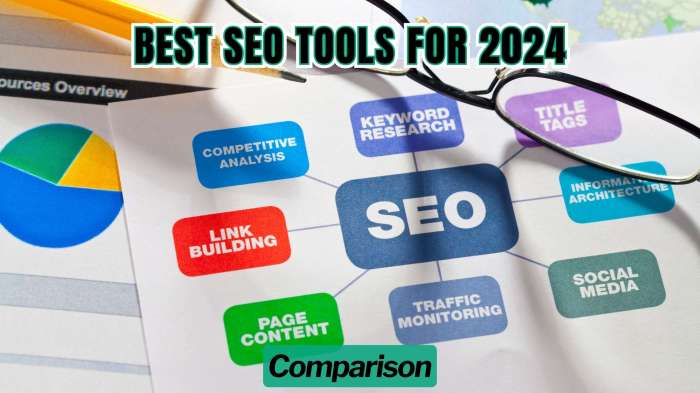
Navigating the ever-evolving world of search engine optimization () can be daunting. In 2024, the landscape is more competitive than ever, demanding a strategic approach to achieve online visibility. This guide delves into the crucial aspects of selecting and utilizing the best services, providing insights into key performance indicators (KPIs), essential services offered by top providers, and the critical elements of successful contracts.
We’ll explore innovative strategies, future trends, and the vital connection between robust and business growth.
From understanding pricing models and identifying red flags to assessing past performance and leveraging AI-powered tools, this comprehensive resource equips you with the knowledge to make informed decisions and partner with an firm that aligns with your business objectives. We’ll also examine the critical role of content creation, technical , and the importance of adapting to ever-changing algorithm updates.
Evaluating Service Providers

Choosing the right service provider can significantly impact your online success. A thorough evaluation process is crucial to avoid costly mistakes and ensure a positive return on your investment. This section Artikels key steps to help you make an informed decision.
Checklist for Evaluating Potential Service Providers
A comprehensive checklist helps streamline the selection process. Consider these critical factors when evaluating potential partners. Ignoring these points can lead to ineffective strategies and wasted resources.
- Experience and Expertise: Assess the agency’s years of experience, specialization in your industry, and proven track record of success with similar clients. Look for case studies that demonstrate their capabilities.
- Transparency and Communication: A reputable agency maintains open communication, providing regular reports and updates on progress. They should clearly explain their strategies and be readily available to answer your questions.
- Strategy and Methodology: Inquire about their approach to . Do they focus on white-hat techniques? Do they prioritize content creation, technical , link building, or a combination? A well-defined strategy is essential.
- Pricing and Contract Terms: Review the pricing structure carefully. Understand what services are included and any potential hidden costs. Ensure the contract is clear, concise, and protects your interests.
- Client References and Testimonials: Request references from previous clients to gather firsthand accounts of their experiences. Examine online reviews and testimonials to gauge client satisfaction.
- Technical Proficiency: Assess their understanding of technical aspects such as website speed, mobile-friendliness, and schema markup. These factors significantly influence search engine rankings.
- Reporting and Analytics: Ask about their reporting process and the key metrics they track. They should be able to demonstrate how they measure success and provide data-driven insights.
Framework for Comparing Service Proposals
Once you’ve gathered proposals from different providers, a structured comparison is essential. This helps you objectively evaluate their offerings and identify the best fit for your needs.
| Criteria | Provider A | Provider B | Provider C |
|---|---|---|---|
| Proposed Strategy | [Summarize Provider A’s strategy] | [Summarize Provider B’s strategy] | [Summarize Provider C’s strategy] |
| Pricing | [State Provider A’s pricing] | [State Provider B’s pricing] | [State Provider C’s pricing] |
| Timeline | [State Provider A’s timeline] | [State Provider B’s timeline] | [State Provider C’s timeline] |
| Reporting & Analytics | [Describe Provider A’s reporting] | [Describe Provider B’s reporting] | [Describe Provider C’s reporting] |
| Client Testimonials | [Summarize Provider A’s testimonials] | [Summarize Provider B’s testimonials] | [Summarize Provider C’s testimonials] |
Potential Red Flags When Selecting an Partner
Be aware of certain indicators that might signal a less-than-reputable firm. These red flags can save you from potential disappointment and financial loss.
- Guaranteed Top Rankings: No legitimate agency can guarantee top rankings. Search engine algorithms are constantly evolving, making such guarantees unrealistic and often a sign of black-hat tactics.
- Unrealistic Expectations: Be wary of providers promising overnight success or extremely rapid improvements in rankings. is a long-term strategy requiring consistent effort.
- Lack of Transparency: If an agency is vague about its methods or unwilling to provide detailed reports, it’s a cause for concern. Transparency is key to building trust.
- Focus on s Only: A strong strategy goes beyond stuffing. It encompasses content quality, technical optimization, and link building.
- Pressure Tactics: Avoid agencies that employ high-pressure sales tactics or try to rush you into a decision without sufficient information.
Assessing Past Performance and Client Testimonials
Thoroughly vetting an firm’s past performance and client testimonials is critical. This provides valuable insights into their capabilities and reliability.To assess past performance, request case studies showcasing successful projects. Analyze the results presented, paying attention to metrics such as organic traffic increases, rankings, and conversion rates. Look for quantifiable results rather than vague claims. When reviewing testimonials, focus on the specifics of the client’s experience.
Look for detailed accounts of the agency’s responsiveness, communication, and the overall impact of their work. Consider the source of the testimonials; independent reviews are more credible than testimonials directly on the agency’s website.
Understanding Service Contracts and Agreements
A well-structured service contract is paramount for a successful and transparent partnership between businesses and agencies. It protects both parties’ interests, Artikels expectations, and prevents misunderstandings that could derail the campaign. A clear contract ensures that both the client and the agency are on the same page regarding deliverables, timelines, and payment terms.
Crucial Elements of a Comprehensive Service Contract
A comprehensive service contract should encompass several key elements to safeguard both the client and the agency. These elements ensure accountability, transparency, and a clear understanding of the scope of work and expected results. The absence of these crucial details can lead to disputes and unmet expectations.
- Clearly Defined Scope of Work: The contract must explicitly detail the services included, such as research, on-page optimization, off-page optimization (link building), technical , content creation, and reporting. Vague descriptions should be avoided.
- Specific Key Performance Indicators (KPIs): The contract should identify the measurable metrics used to track the success of the campaign, such as organic search rankings, website traffic, conversion rates, and lead generation. These KPIs should be realistic and achievable.
- Payment Terms and Conditions: Clear payment schedules, methods, and any penalties for late payments must be stated. This section should also address any potential refunds or adjustments based on performance.
- Intellectual Property Rights: The contract should clearly Artikel ownership of any content created during the campaign, such as blog posts or website copy. This avoids potential disputes regarding copyright and usage rights.
- Confidentiality Clause: This clause protects sensitive business information shared between the client and the agency. It ensures that the agency will not disclose confidential data to third parties.
- Term and Termination Clause: This section specifies the duration of the contract, the conditions under which either party can terminate the agreement, and the procedures for termination.
- Warranties and Disclaimers: The contract should state any warranties provided by the agency and any disclaimers regarding the guaranteed results of the campaign. results are not always guaranteed, and this should be clearly communicated.
Importance of Clearly Defined Deliverables and Reporting Mechanisms
Clearly defined deliverables and regular reporting are vital for ensuring accountability and transparency throughout the campaign. Without these, it’s difficult to track progress, identify areas for improvement, and measure the overall success of the strategy.
Deliverables should be specific and measurable, such as a certain number of blog posts, back links, or rankings improvements. Regular reports, perhaps monthly, should include data on the agreed-upon KPIs, along with explanations of progress, challenges, and proposed solutions. These reports should be easily understandable and avoid technical jargon.
Common Contractual Pitfalls to Avoid
Several common mistakes can undermine the effectiveness of an contract. Avoiding these pitfalls can save time, money, and potential disputes.
- Vague or Ambiguous Language: Using vague terms can lead to misinterpretations and disputes. All aspects of the agreement should be clearly and concisely defined.
- Unrealistic Expectations: Guaranteeing top rankings or specific results is generally unrealistic and unethical. Contracts should focus on measurable efforts and improvements rather than specific outcomes.
- Lack of Transparency: Hidden fees or unexpected costs can damage trust and lead to disputes. All costs should be clearly Artikeld upfront.
- Insufficient Reporting: Without regular and detailed reports, it’s difficult to track progress and make necessary adjustments. The reporting frequency and format should be clearly defined in the contract.
- Ignoring Legal Counsel: It is highly recommended to have a lawyer review the contract before signing, especially for larger or more complex projects.
Key Clauses of a Sample Contract
A well-drafted contract should include the following key clauses:
- Parties Involved: Clearly identifies the client and the agency.
- Services Provided: Detailed description of the services to be performed.
- Timeline and Milestones: Specific dates for project completion and key milestones.
- Payment Terms: Clearly defines payment amounts, schedule, and methods.
- Reporting Frequency and Format: Specifies how often and in what format reports will be provided.
- Intellectual Property Rights: Clarifies ownership of created content.
- Confidentiality: Protects sensitive business information.
- Termination Clause: Artikels conditions for contract termination.
- Dispute Resolution: Specifies a method for resolving disputes.
- Governing Law: Indicates which jurisdiction’s laws govern the contract.
Securing top-tier services in 2024 is no longer a luxury but a necessity for businesses aiming to thrive online. By carefully evaluating providers, understanding contract terms, and implementing a data-driven strategy, businesses can harness the power of to enhance brand visibility, generate leads, and achieve a significant return on investment. Staying abreast of emerging trends and technological advancements is crucial for long-term success in this dynamic digital environment.
Remember, the right partner can be the key to unlocking your online potential.
Essential FAQs
What are the common red flags to watch out for when choosing an provider?
Guaranteeing top rankings, using black hat techniques, lacking transparency in their methods, and providing vague or unrealistic promises are major red flags.
How frequently should I expect reports from my service provider?
Monthly reporting is standard, allowing for consistent monitoring of progress and adjustments to the strategy as needed.
What is the typical ROI for services?
The ROI varies greatly depending on factors like industry, competition, and the scope of the services. However, consistent, ethical generally yields strong long-term returns.
How long does it typically take to see results from efforts?
Significant results usually take several months, as search engine algorithms take time to index and rank websites. Consistency and patience are key.
What’s the difference between on-page and off-page ?
On-page focuses on optimizing elements within your website (content, meta descriptions, etc.), while off-page focuses on external factors like backlinks and brand mentions.